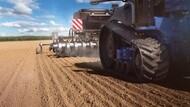
Field preparation and planting with tracks
Benefits of Tractor Tracks for Field Preparation and Planting
Field preparation and planting require equipment that can perform across changing soil and field conditions. Discover how tractor tracks can help improve traction, reduce soil compaction and support operational efficiency during these critical agricultural activities. Learn about the benefits of MICHELIN rubber tracks and how to get the most from your tracked equipment.
ON THIS PAGE
- How Tractor Tracks Improve Traction and Stability
- How Tractor Tracks Help Reduce Soil Compaction
- How Tractor Tracks Support Field Efficiency and Productivity
- Tips for Maintaining Tractor Tracks and Maximizing Performance
- Explore Michelin Rubber Tracks for Agricultural Equipment
- Frequently Asked Questions About Tractor Tracks
How Tractor Tracks Improve Traction and Stability
Tractor tracks provide a large contact area with the ground, helping distribute equipment weight and maintain traction across challenging field conditions. During field preparation and planting, this can be especially beneficial in wet, muddy or uneven terrain where maintaining traction and minimizing soil disturbance are important.
Michelin rubber tracks are designed to support maneuverability and stability across demanding agricultural applications. By helping reduce wheel slip and maintain consistent ground contact, tracks can support more efficient field operations when conditions are less than ideal.
How Tractor Tracks Help Reduce Soil Compaction
Tractor tracks distribute equipment weight across a larger ground contact area, helping reduce ground pressure and minimize soil compaction during field preparation and planting. This can be especially beneficial when working in wet or soft soil conditions, where heavy agricultural equipment may cause ruts and disrupt soil structure.
By helping limit soil disturbance, Michelin rubber tracks can support healthier soil conditions and more consistent field operations. Actual results depend on factors such as equipment weight, track configuration, soil moisture and operating conditions.
How Tractor Tracks Support Field Efficiency & Productivity
During field preparation and planting, maintaining productivity is essential, especially when weather and soil conditions limit available working time. Tractor tracks can help improve traction and flotation, allowing equipment to operate more effectively across wet, muddy or uneven terrain.
Michelin rubber tracks are designed for durability and performance in demanding agricultural applications. By helping reduce slippage and maintain consistent traction, tracks can support efficient field operations and help farmers make the most of critical planting windows.
Tips for Maintaining Tracks & Maximizing Performance
Proper operation and regular maintenance can help extend the service life of agricultural rubber tracks and support reliable equipment performance during field preparation and planting. Follow these tips to help protect your tracks and minimize unexpected downtime:
- Inspect tracks regularly: Check for cuts, cracks, missing rubber, embedded debris and other visible signs of damage before operating equipment.
- Maintain proper track tension: Follow the equipment manufacturer's recommendations for track tension to help prevent premature wear and tracking issues.
- Monitor undercarriage components: Inspect rollers, idlers and drive components for wear or damage that could affect track performance.
- Avoid unnecessary sharp turns: Minimize aggressive turning and excessive spinning, particularly on hard surfaces, to help reduce track wear.
- Keep tracks and undercarriages clean: Remove accumulated mud, rocks and debris that could interfere with track operation or contribute to premature wear.
Always follow your equipment and track manufacturers' recommendations for inspection, maintenance and operation.
Explore Michelin Rubber Tracks for Agricultural Equipment
Michelin offers rubber tracks and track systems designed to support traction, durability and productivity across demanding agricultural applications. Whether you're preparing fields, planting crops or operating in challenging soil conditions, explore Michelin track solutions designed to meet the needs of your equipment and farming operations.
More Tips & Advice for Agricultural Rubber Tracks
Explore More Agriculture Solutions
Find more Michelin resources, guidance and solutions for farm operations.
Frequently Asked Questions About Tractor Tracks
Tractor tracks can help improve traction, distribute equipment weight across a larger ground contact area and reduce soil disturbance. These benefits can support more efficient field preparation and planting, particularly in wet, muddy or uneven conditions.
Yes, tractor tracks can help reduce surface soil compaction by distributing equipment weight over a larger contact area. However, their effectiveness depends on factors such as equipment weight, track configuration, soil moisture and operating conditions. Tracks do not eliminate soil compaction entirely.
Tractor tracks can offer advantages in wet or muddy conditions by providing a larger ground contact area and helping maintain traction. However, properly selected and inflated agricultural tires can also perform well. The best option depends on soil conditions, equipment requirements and the application.
Regularly inspect rubber tracks for cuts, cracks, embedded debris and signs of uneven wear. Maintain proper track tension, check undercarriage components and remove accumulated mud or debris. Always follow the equipment and track manufacturers' maintenance recommendations.
Tractor tracks can help support planting efficiency by maintaining traction and reducing slippage in challenging field conditions. This may help operators maintain productivity during limited planting windows, although actual performance depends on equipment configuration, soil conditions and operating practices.


