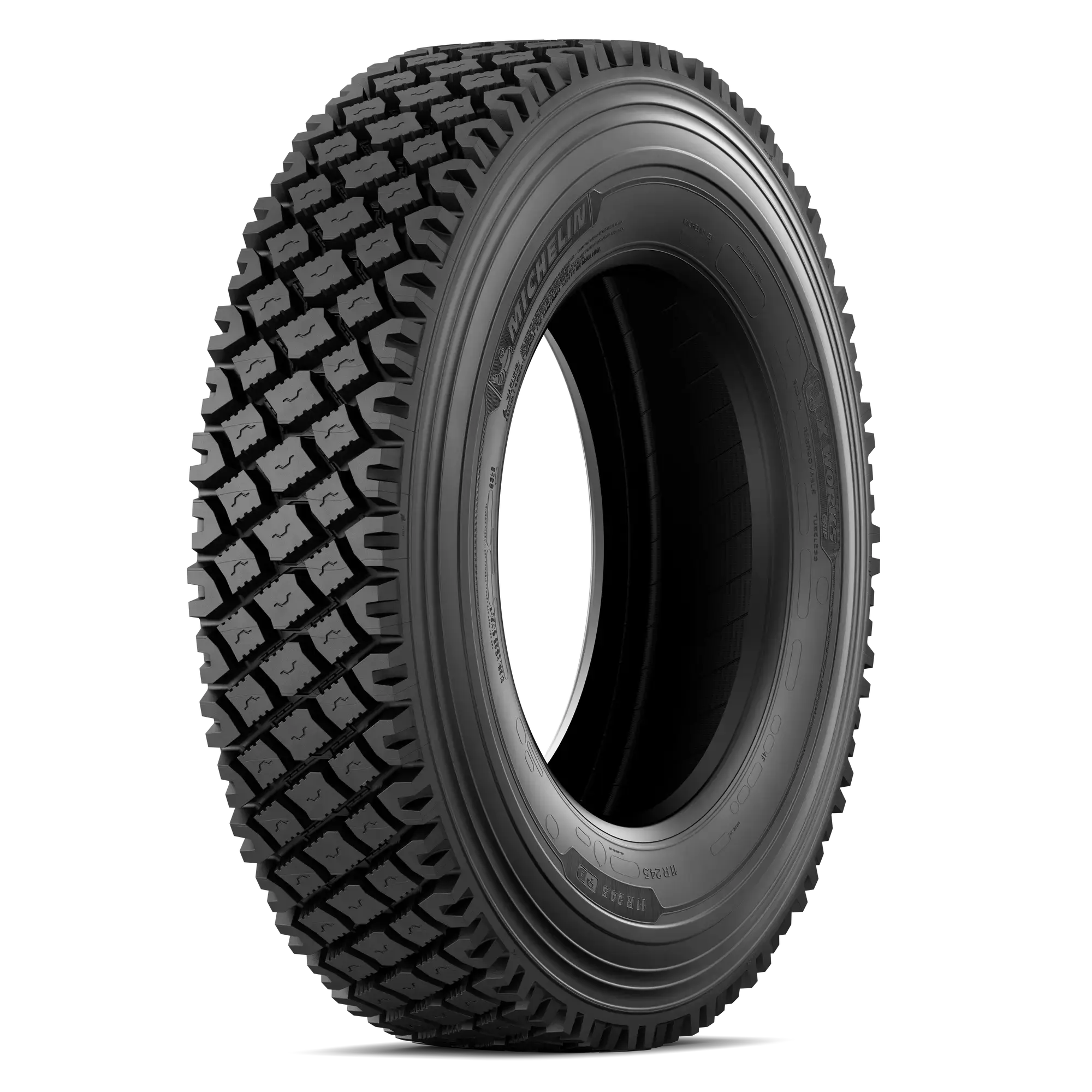
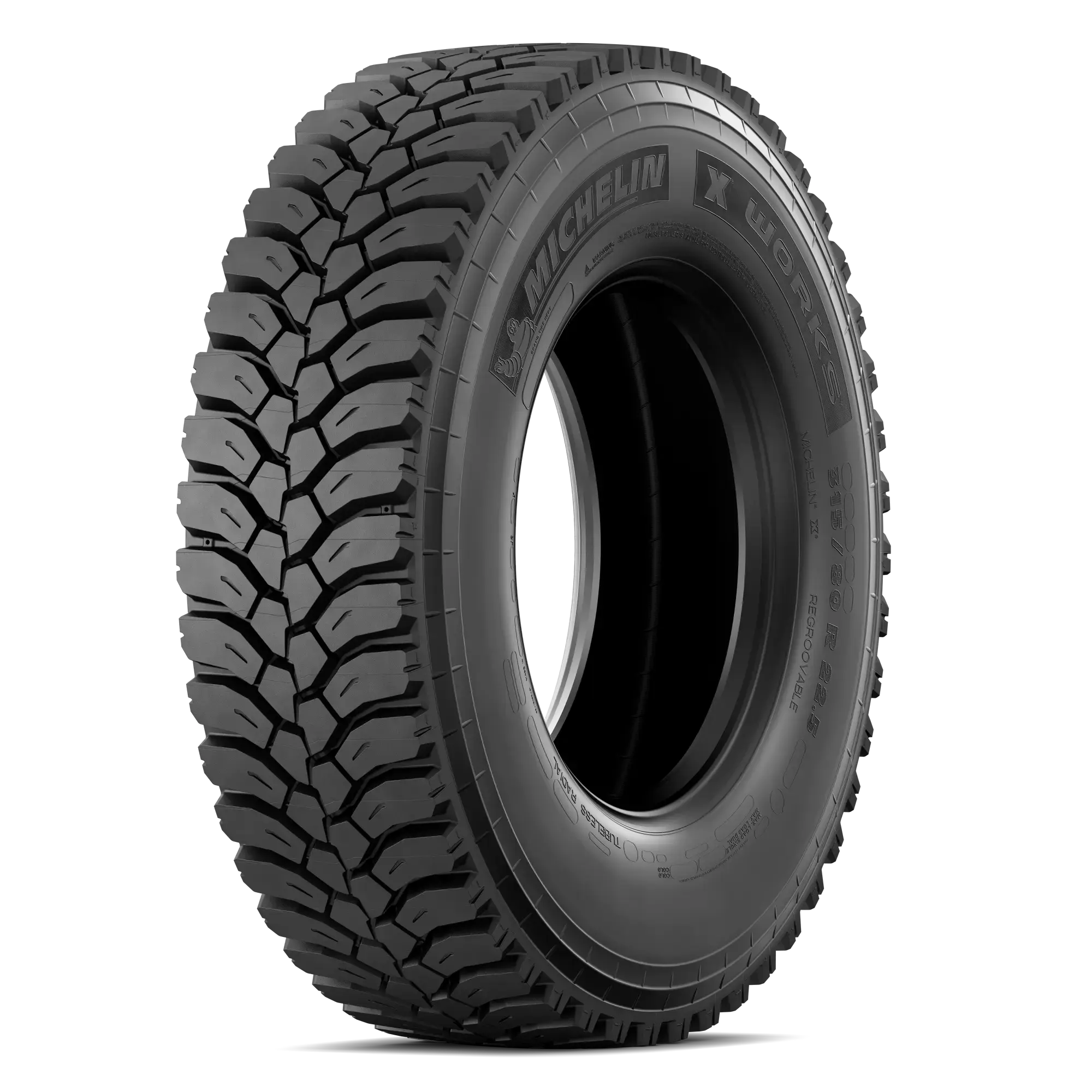
Construction Tires for Every Worksite
Construction operations depend on equipment staying productive across demanding environments, whether working on the jobsite or traveling between locations. Choosing the right tires can help support uptime, durability, performance and long-term value across both on-road and beyond-road construction applications.
Keep Your Construction Operation Moving
Construction operations depend on tires that can perform across demanding applications and operating environments. Heavy loads, intensive duty cycles, changing conditions and tire-related downtime can all affect productivity. Choosing tires suited to the equipment and application can help keep work moving on the jobsite and on the road.
Construction Worksite Conditions
Perform Across Demanding Conditions
Construction vehicles and equipment operate across a wide range of conditions, from jobsites and uneven terrain to city streets and highways. Choosing tires suited to the application and operating environment can help support the performance, traction and durability the job demands.

Construction Equipment Uptime
Help Maximize Equipment Uptime
Tire damage, premature wear and unexpected downtime can disrupt schedules and productivity. Tires suited to the equipment, application and operating conditions can help reduce tire-related interruptions and keep work moving.

Construction Tire Value
Get More Value From Your Tires
Construction tire value extends beyond the initial purchase price. Tire life, durability, productivity and overall performance can all contribute to the value a tire delivers throughout its service life.
Find Michelin construction tires for your equipment, application and worksite conditions. Select your equipment type to explore tire options designed for the demands of your operation.
Find Your Michelin Construction Tires
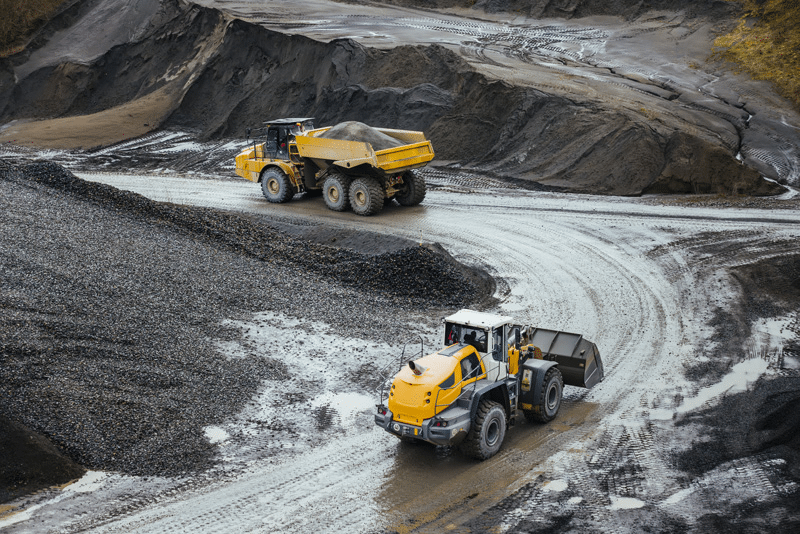
Construction Tires by Equipment
Different types of construction equipment place different demands on tires. Explore Michelin construction tire solutions by equipment type to find tires designed for your application, operating conditions and performance needs.
Construction Tires for Where You Work
Construction tire needs can vary significantly depending on where and how equipment operates. Explore tire solutions and considerations for vehicles working on the road, beyond the road or across both environments.
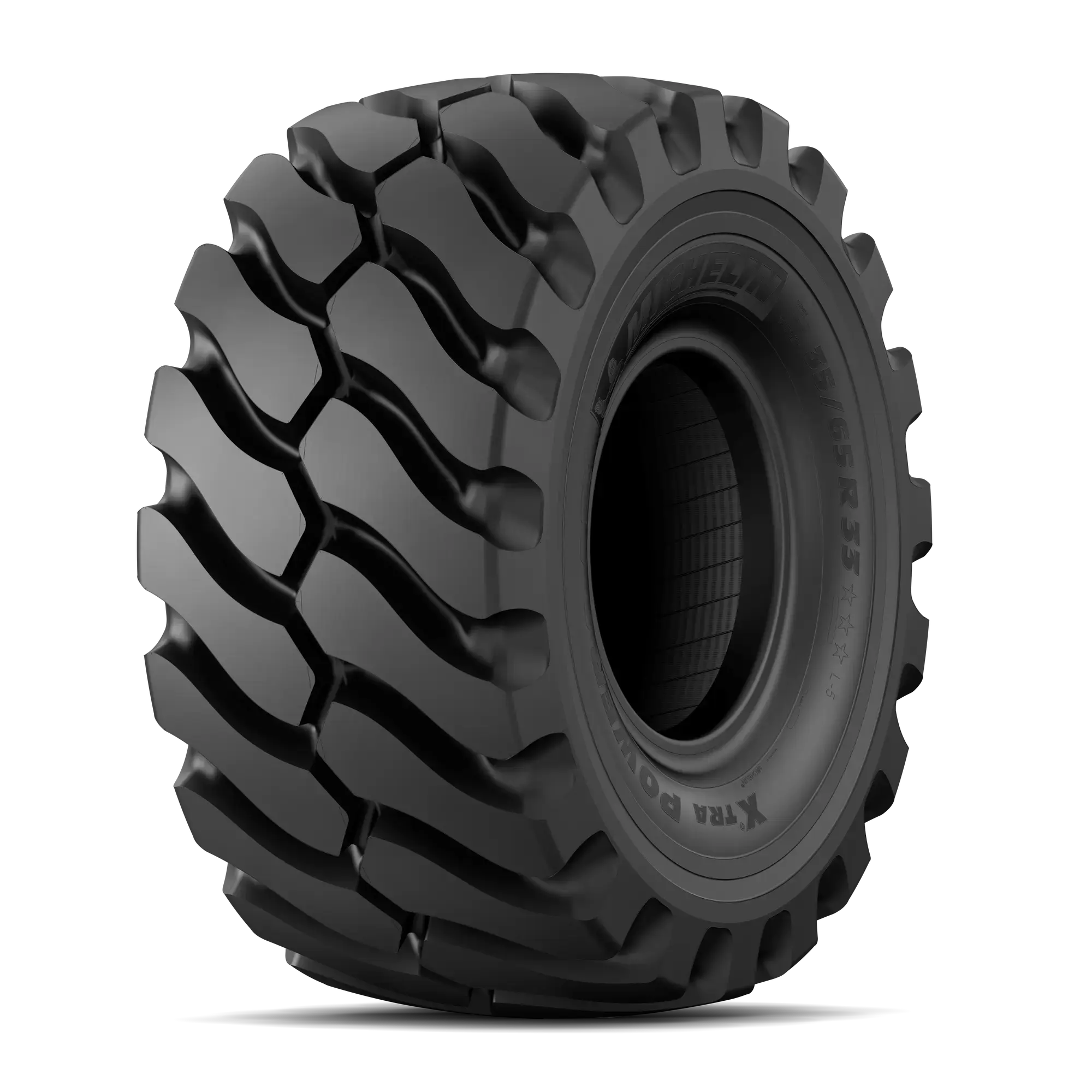
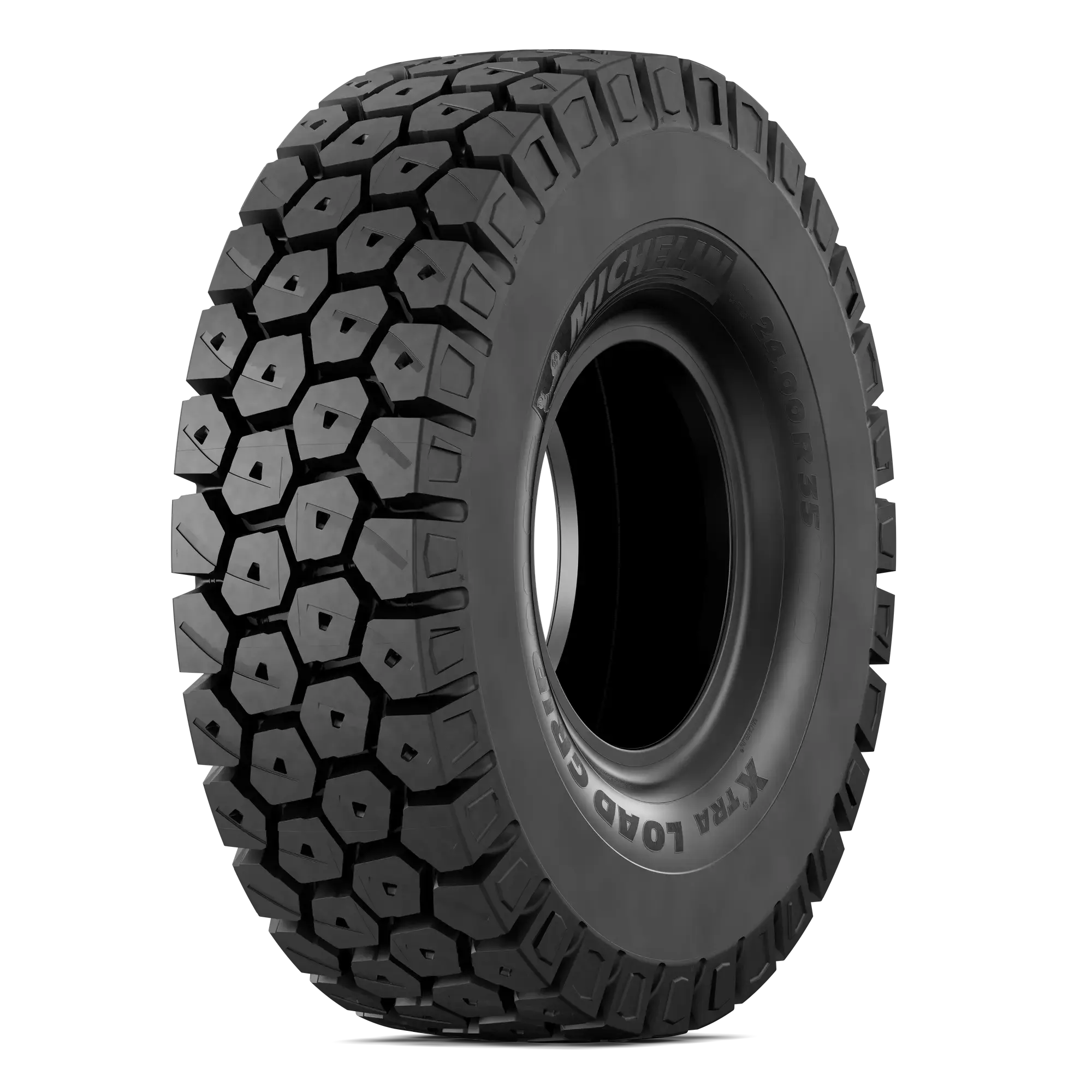
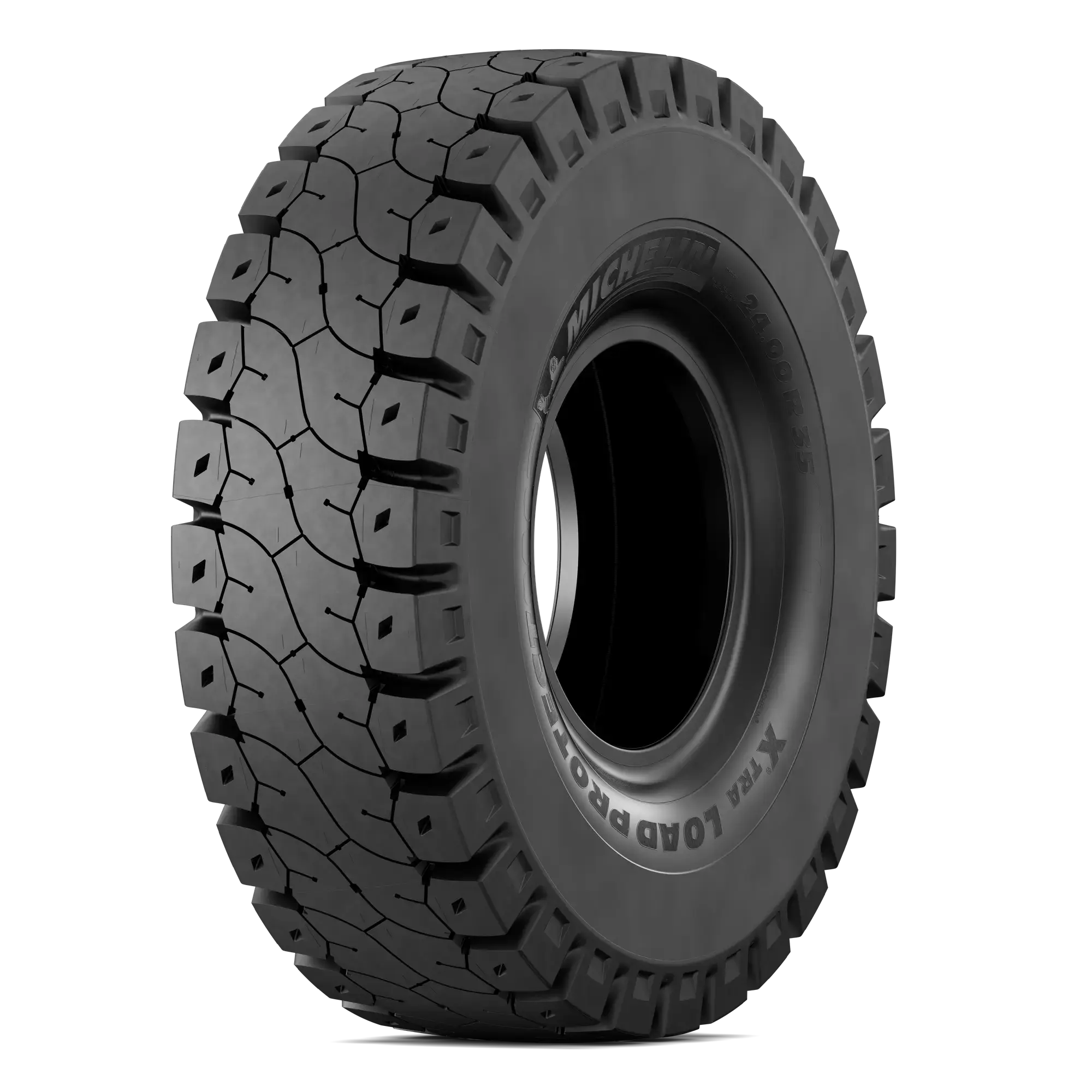
Beyond-Road Construction Tires
Earthmover vehicles
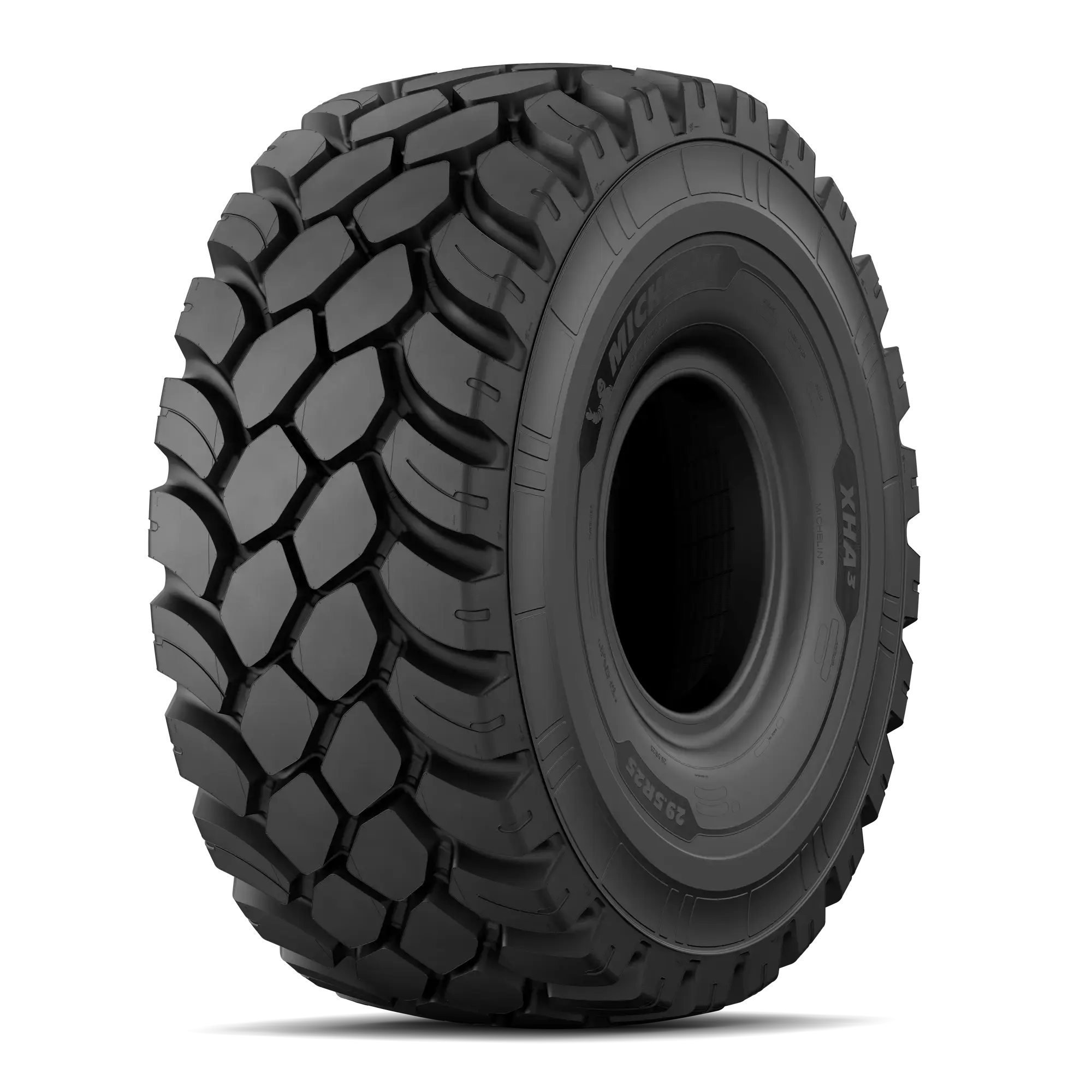
Construction equipment operating beyond the road faces demanding conditions, from uneven and abrasive terrain to heavy loads and intensive operating cycles. Tires designed for these applications can help provide the traction, durability, stability and resistance to damage needed to keep equipment productive.
Whether equipment is moving material, grading surfaces, lifting loads or working across challenging terrain, tire selection should account for the vehicle, application and conditions underfoot. The right construction tire can help support equipment performance, reduce tire-related interruptions and deliver value throughout its service life.
Built for Demanding Terrain
Uneven ground, loose surfaces, rock and debris can place significant demands on construction tires. The right tire can help provide traction and stability for the conditions underfoot.
Designed for Heavy-Duty Demands
Heavy loads, repeated cycles and demanding applications require tires suited to the equipment and the work it performs.
Help Protect Uptime
Cuts, impacts, punctures and premature wear can take equipment out of service. Choosing tires designed for the application can help reduce tire-related interruptions.
Michelin Tires for Beyond-Road Construction Equipment
Explore Michelin tires designed for the demanding conditions of beyond-road construction applications. From challenging terrain and heavy loads to intensive operating cycles, find tire solutions built to support the performance, durability and productivity your equipment needs.
On-Road Construction Tires
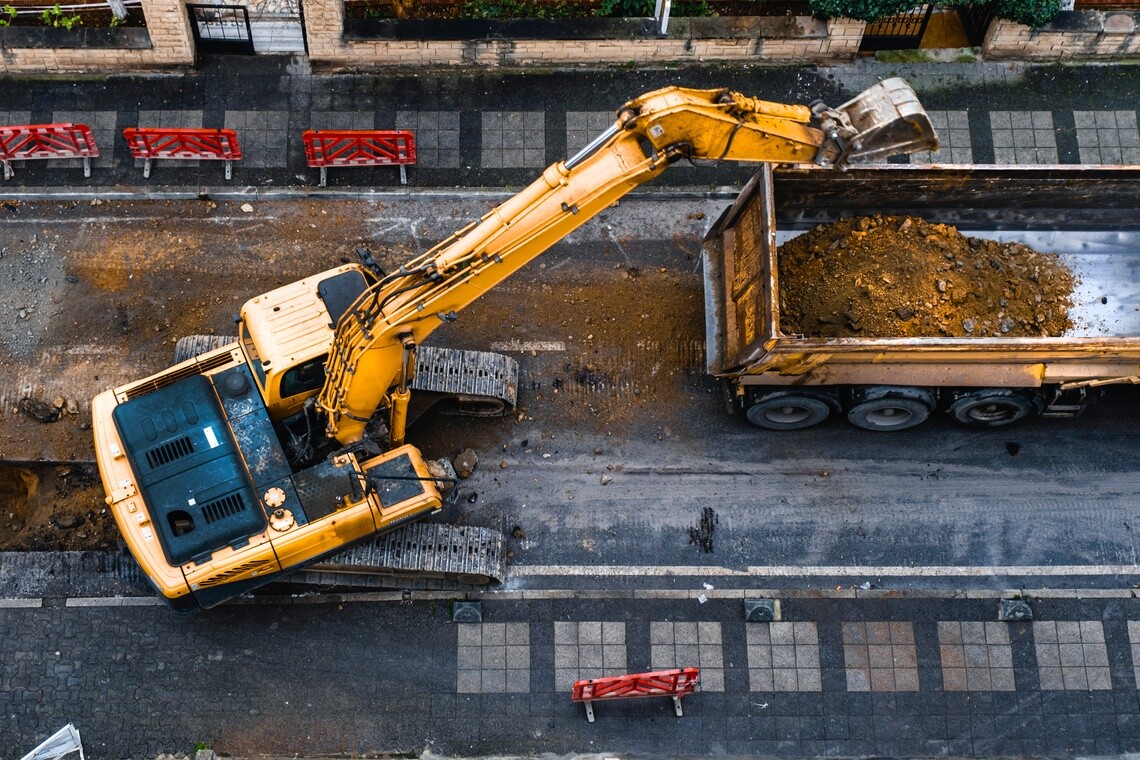
Construction vehicles operating on the road face a unique combination of demands as they travel between plants, jobsites, delivery locations and other destinations throughout the workday. These vehicles may spend part of their route on highways and city streets before transitioning onto unfinished, uneven or demanding jobsite surfaces.
Heavy loads, frequent stops and starts, changing road conditions and repeated jobsite entry and exit can all place different demands on tires. Choosing tires suited to the vehicle, application and operating environment can help support dependable performance, durability and uptime while keeping construction materials, equipment and crews moving where they need to go.
On-Road Construction Vehicles at an Urban Jobsite
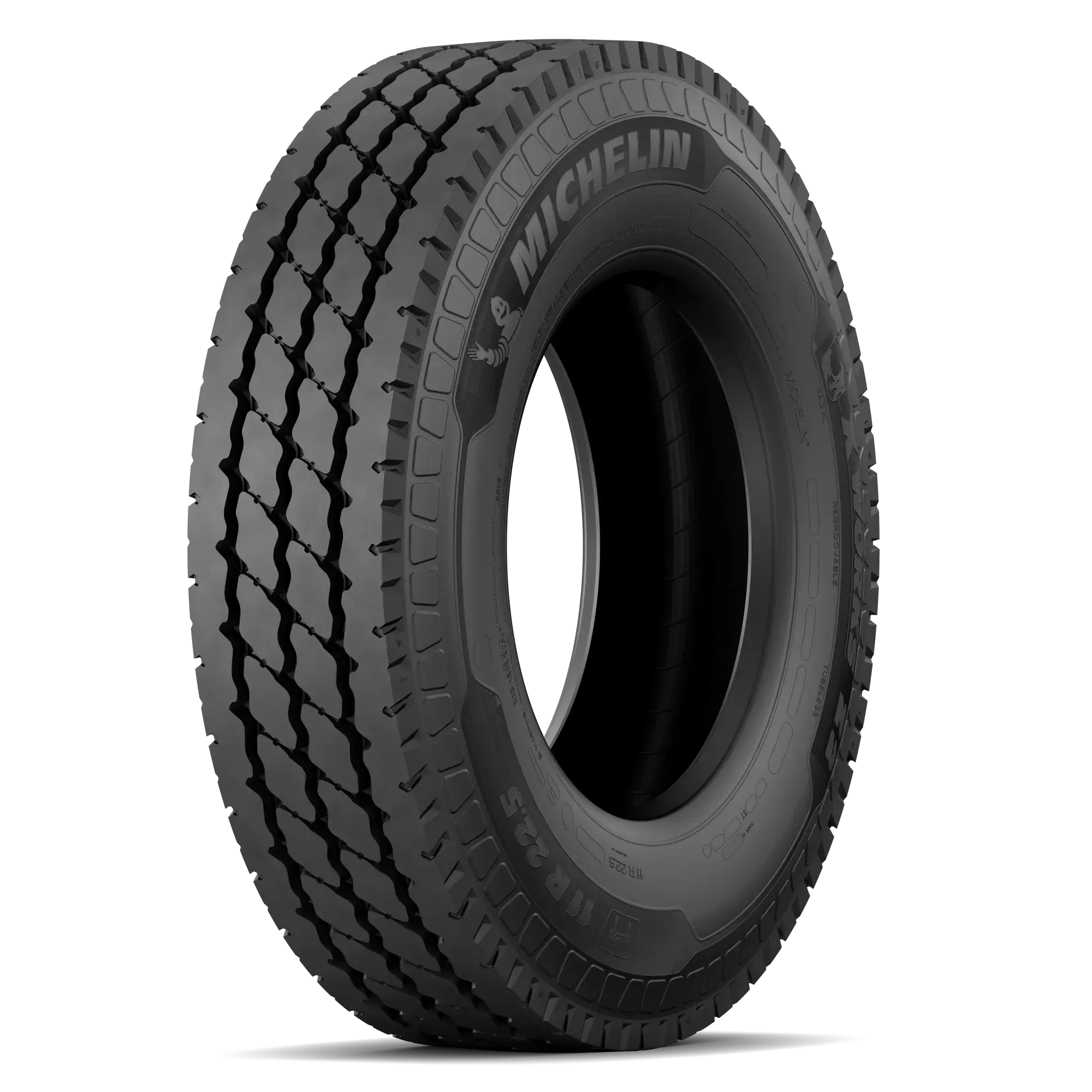
Perform Across Changing Conditions
On-road construction vehicles may travel on highways and city streets before entering unfinished or demanding jobsites. Tires need to deliver dependable performance across the range of surfaces and conditions encountered throughout the route.
Support Heavy Loads and Demanding Duty Cycles
Construction fleets often operate under heavy loads, frequent stops and starts and demanding schedules. Choosing tires suited to the vehicle and application can help support reliable performance throughout the operating cycle.
Help Keep Vehicles Working
Tire wear, damage and unexpected downtime can disrupt deliveries, schedules and jobsite productivity. Durable tires suited to the application can help reduce tire-related interruptions and keep vehicles moving.
Michelin Tires for On-Road Construction Vehicles
Explore Michelin tires for construction vehicles operating on streets, highways and routes between jobsites. Find tire solutions designed to support the performance, durability and productivity demanded by on-road construction operations.
Airless Tire Technology for Construction Equipment
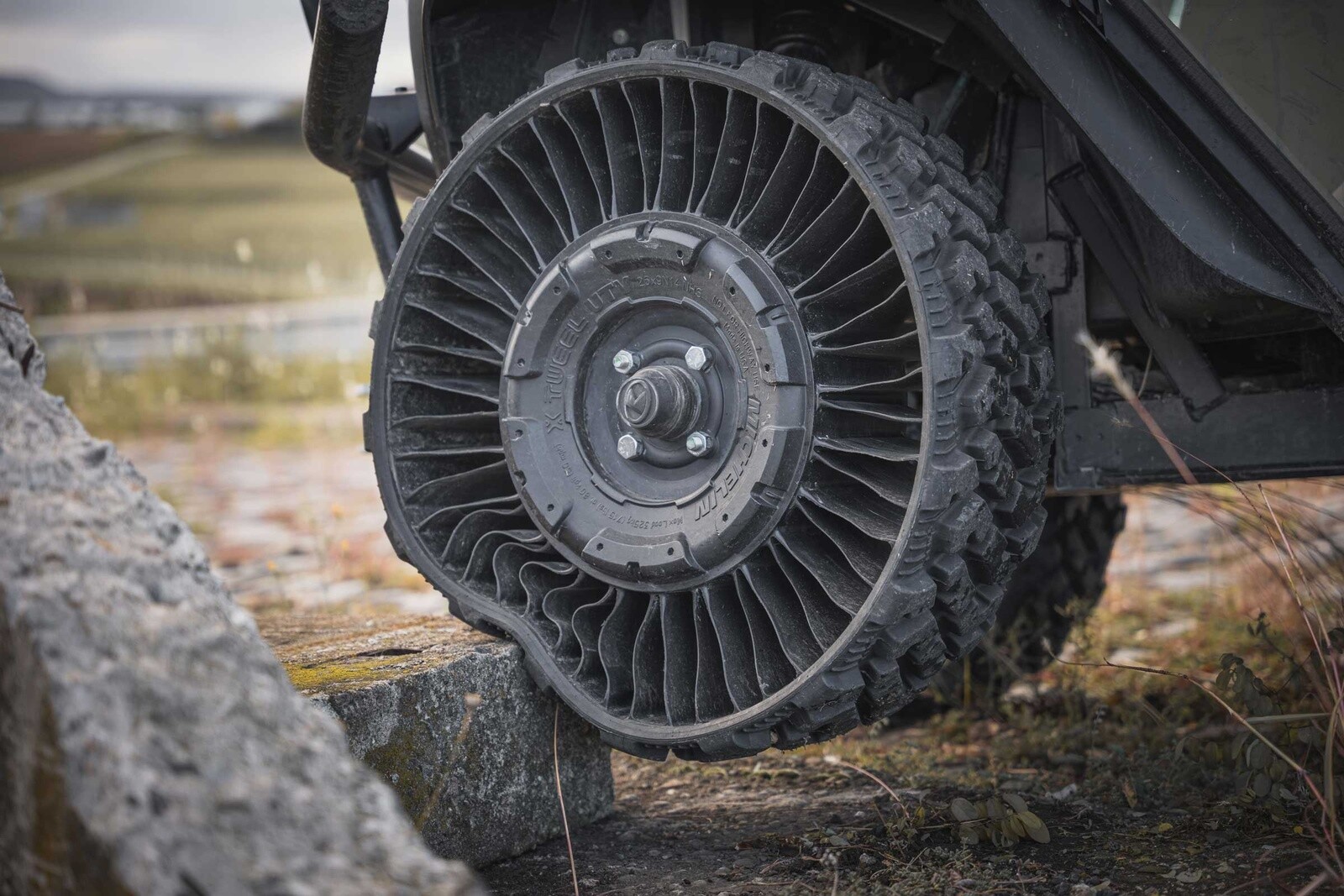
Airless Tires Built to Keep Equipment Moving
Michelin X® TWEEL® airless radial tires combine the tire and wheel into a single unit, eliminating the need for air pressure and helping remove the risk of flats. Designed for demanding applications, TWEEL technology can help keep construction equipment working where punctures, debris and challenging terrain can lead to tire-related downtime.
Need Help Finding the Right Tire Pressure?
Proper tire pressure can help support tire performance, durability and service life. Find the recommended pressure for your Michelin construction tires based on your equipment and operating conditions.
Construction Tire FAQs
Choosing construction tires starts with the equipment, application and operating environment. Consider factors such as load, duty cycle, surface and terrain conditions, tire durability, traction needs and the potential impact of tire-related downtime. The right tire should match both the equipment and the conditions it encounters throughout the workday.
Construction tires suited to the equipment and application can help reduce interruptions caused by premature wear, tire damage and other tire-related issues. Selecting tires designed for the operating conditions can help support durability, productivity and equipment uptime.
Construction equipment can encounter very different conditions, from highways and city streets to unfinished jobsites, abrasive surfaces and uneven terrain. Tire selection should account for where the equipment operates, the surfaces it encounters, the loads it carries and the work it performs.
Beyond-road construction tires should be selected based on the equipment, application, terrain and operating demands. Depending on the job, important considerations can include traction, stability, durability, resistance to cuts and impacts, load capacity and performance across challenging ground conditions.
On-road construction vehicles may operate across highways, city streets and jobsites during the same workday. Tire selection should account for factors such as vehicle type, load, duty cycle, frequent stops and starts, road conditions and transitions between paved roads and jobsite surfaces.