Commercial Tires with Different Tread Patterns
Maximize Savings, Minimize Downtime, Optimize Performance
Fleet managers know that tire program inefficiencies have a direct impact on their bottom line. The most common culprits are pulling casings too early for retreading and wasting usable tread, pulling them too late and risking irreparable damage, inconsistent quality control across service providers and limited visibility into what’s actually driving costs. Small problems in any of these areas compound quickly into larger operational issues that affect your fleet’s performance and profitability.
Fortunately, modern technology directly addresses each of these challenges. Advanced retread systems combine laser-precision measurement, AI-powered quality control and comprehensive business intelligence to eliminate common inefficiencies. These innovations provide the data and consistency that manual processes simply can’t deliver to help fleets optimize their tire operations.
This article will cover:
The Hidden Costs of Traditional Tire Management
Before exploring solutions, it’s important to understand where fleets lose money in their tire programs. The challenges fall into three main categories:
Timing Problems Cost Money
In traditional retread processes, operators manually measure tread depth at inspection posts. This introduces variability – different operators may measure differently, fatigue affects accuracy and time pressures can lead to inconsistent decisions. When tires are pulled too early, fleets buff off usable rubber they’ve already paid for. When tires are pulled too late, casings suffer damage that prevents future retreading.
Lack of Visibility Creates Inefficiency
Most fleet managers lack actionable data about their tire program. Without knowing what's happening at each terminal location, they can't identify training gaps, procedural issues or opportunities for optimization.
Inconsistency Undermines Quality
Manual processes, no matter how well-trained the operators, introduce variability that affects casing acceptance rates and retread reliability.
What Are the Latest Retread Tire Innovations for Fleet Operations?
Retread technology has continuously advanced over decades thanks to ongoing investments in precision, quality control and advanced materials enhancing both capabilities and industry confidence. Today’s retreading represents the culmination of continuous improvement and technological innovation.
Michelin holds more than 20 active retread patents, reflecting the industry’s commitment to continuous advancement and process refinement. This innovation pipeline ensures that retreading technology keeps pace with evolving fleet demands and performance standards.
Three Major Innovations Transforming Retreading
The industry is fundamentally changing through AI, robotics and advanced data analytics. This moves the process from manual, judgment-based processes to data-driven operations that deliver measurable improvements in product quality, consistency and fleet efficiency.
1. Automated Precision Measurement
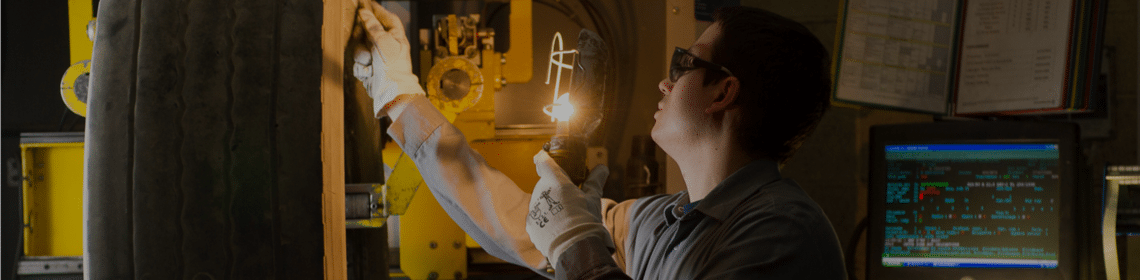
In traditional retread processes, operators manually measure tread depth at the initial inspection post. Advanced systems like Michelin’s TreadEye are changing this by automating the measurement process. These technologies capture more than 1,200 points of measurement as tires rotate during inspection, eliminating the accuracy and consistency issues associated with manual measurement.
The result: Every tire gets the same precise evaluation whether it’s the first one inspected or the thousandth, regardless of which operator or shift is working.
2. Fleet Business Intelligence
Modern retreading generates actionable data about your tire program. You get accurate tread-depth information broken down by terminal location, revealing whether your teams are following pull point procedures and where opportunities exist for optimization.
3. AI-Powered Quality Control
Vision systems using artificial intelligence conduct thorough inspections at multiple stages, delivering consistent quality assurance that manual inspection alone cannot match. Every tire gets rigorous evaluation regardless of shift, operator fatigue or time pressures.
What This Means for Your Fleet
Leading retread providers position themselves as partners, not just vendors. By incorporating these innovations, they provide actionable data that improves tire program efficiency and impacts your bottom line. The focus shifts from transactional retreading to strategic tire management.
By managing pull points through automated measurement data, fleets use resources efficiently and reduce waste and get more life from casings rather than disposing of them early due to damage or buffing off usable tread rubber.
Retreading: The Industry Standard for Commercial Fleets
While technology continues advancing retreading processes, the fundamental value of retreading is already proven. The question for fleet managers isn't whether retreading works, it's how to maximize its strategic value. Understanding the complete picture of retreading’s benefits helps explain why it's considered the smart choice for commercial tire management.
Retreading has long been a proven solution for commercial tire management. The industry’s widespread adoption reflects decades of reliable performance:
- Nearly 90% of large fleets rely on retreading1
- 44% of all commercial tires on U.S. and Canadian roads are retreaded1
These adoption rates demonstrate industry confidence built on consistent performance and measurable value.
What ROI Can Fleets Expect from Retread Programs?
Modern retreading delivers measurable value across three areas that matter most to fleet operations: economics, performance and environmental impact.
Economic Value
Retreading provides substantial cost advantages while maintaining performance standards. A single retread is designed to last around 90% as long as a premium new tire but at about half the cost.2 Furthermore, premium casings engineered for multiple retreads can deliver up to four retread cycles, maximizing return on the initial tire investment.
The scale of economic impact is significant: The trucking industry saves more than $3 billion annually through retreading.1 Retreading a Michelin tire twice can deliver 500% more miles per tire compared to ultra-low-cost new tires.3 This economic advantage is why retreading has become standard practice across commercial fleets.
Beyond the direct cost savings, retreading delivers additional financial benefits:
Avoiding Disposal Fees: Every time you retread instead of replacing, you avoid the Federal Excise Tax (FET) that applies to new tire purchases. FET is calculated per pound and applies only to the original casing purchase, not to subsequent retreads. You also eliminate scrap disposal fees, which vary by market but add up quickly across a fleet.
Dealer Incentives: Many tire dealers and retread facilities offer credit programs for casings that qualify for additional retreads beyond your initial plan. These casing credits reward proper tire maintenance and optimal pull timing, creating an additional revenue stream for well-managed fleets.
Performance and Reliability
Retreaded tires deliver durability comparable to new tires in commercial applications. This performance is validated by widespread industry adoption and decades of proven results in demanding commercial environments.
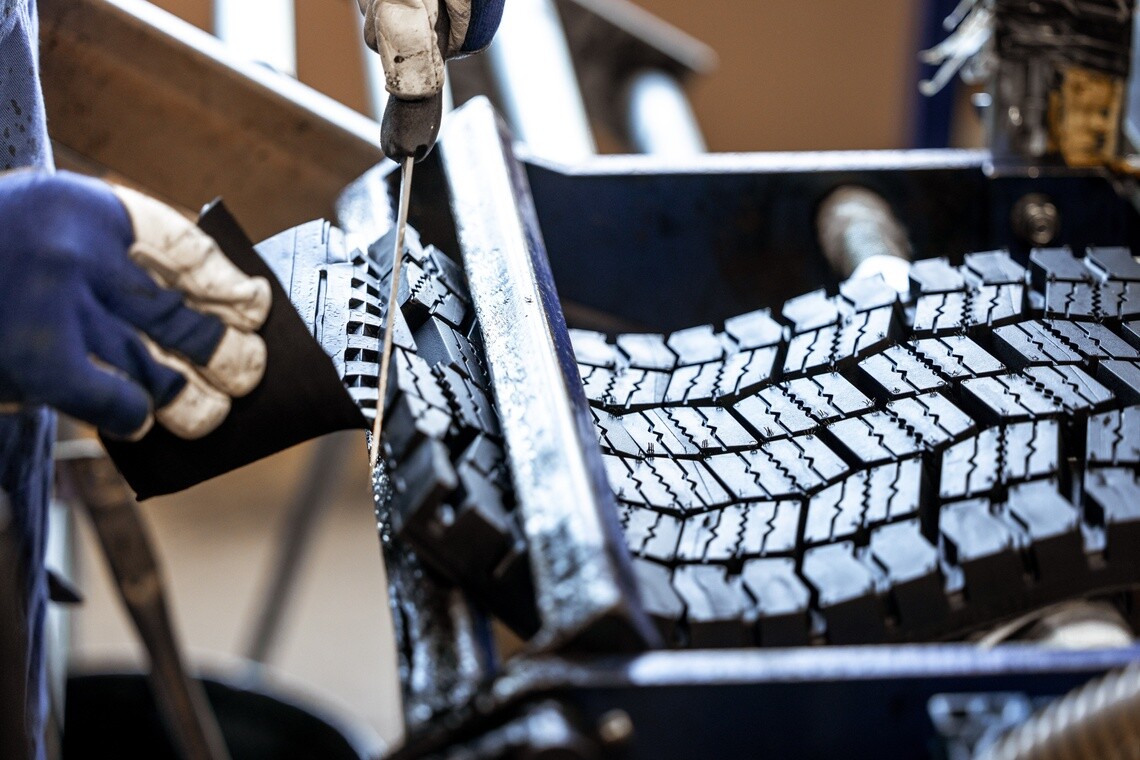
Modern retreading incorporates comprehensive quality systems with multiple inspection points throughout the process: initial inspection, buffing, casing integrity evaluation, repair, tread building, enveloping, curing and final inspection. This systematic approach to quality ensures consistent, reliable performance. Tire performance in commercial applications, whether new or retreaded, depends primarily on operational factors including proper maintenance, correct inflation and road conditions.
Environmental Benefits
Compared to manufacturing a new tire, retreading creates a circular economy for commercial tires and delivers measurable environmental benefits:
- 24% reduction in CO2 emissions4
- 21% reduction in air pollution4
- 70% reduction in natural resource extraction4
- 29% reduction in land use4
- 19% reduction in water consumption4
These reductions represent real environmental impact at scale. Retreading extends the service life of tire casings that have already been manufactured, maximizing the value of existing materials rather than requiring new resource extraction. For fleets pursuing sustainability objectives, retreading provides a proven path to reducing environmental footprint while maintaining operational performance.
Strengthening Local Economies
The retreading industry’s impact extends beyond individual fleets to support communities across North America. The industry creates approximately 51,000 jobs throughout the United States, with most retread facilities operating as small to mid-sized businesses employing between 10-60 people.4
These facilities are often located in smaller towns and rural areas, providing quality manufacturing jobs in communities that may have limited industrial employment options. This distributed network of local operations means your retreading dollars support domestic manufacturing and strengthen regional economies.
The domestic focus of retreading also provides supply chain advantages. Buying locally produced retreads rather than imported tires reduces exposure to volatile international markets, shipping disruptions and the geopolitical factors that can impact global supply chains. For fleet managers focused on supply chain resilience, retreading offers greater predictability and stability.
Choosing the Right Retread Partner
Retread facilities vary significantly in their capabilities, technology and quality standards. The partner you choose has a direct impact on your fleet's uptime, costs and overall tire program performance.
As you evaluate potential retread partners, look for facilities that demonstrate these key capabilities:
Advanced Measurement and Data Systems: The best retread operations have moved beyond manual inspections to precision measurement technology. Look for partners who can provide you with detailed, actionable data about your tire conditions and fleet patterns – not just process tires and send them back.
Automated Quality Control: Consistent quality requires consistent processes. Seek out facilities that use AI-powered inspection systems and automated processes to eliminate the variability inherent in manual operations. Every tire should receive the same rigorous evaluation regardless of shift, operator or volume.
Comprehensive Business Intelligence: Your retread partner should do more than just retreading – they should provide visibility into trends, optimization opportunities and total cost of ownership across your fleet. The right data helps you make strategic decisions about your entire tire program.
Proven Innovation and Investment: Look for partners who are actively investing in their facilities and technology. Companies that hold patents, pilot new systems and continuously improve their processes demonstrate a commitment to staying ahead of industry demands.
Top-tier retread operations, such as those utilizing Michelin technology, provide these capabilities through sustained investment in technology and quality. This commitment to continuous improvement goes beyond simply processing tires – it makes them strategic partners genuinely invested in improving your bottom line.
The Path Forward for Fleet Tire Management
The retreading industry has evolved from a manual process into a data-driven operation backed by precision technology and artificial intelligence. For fleet managers, this means moving from reactive tire management to strategic optimization with measurable ROI.
The question isn't whether to incorporate retreading into your tire strategy, with nearly 90% of large fleets already relying on retreads, that decision has been made by the industry. The real question is whether you're maximizing the value of your retread program through optimal processes, consistent quality control and the data visibility that Michelin's advanced systems provide.
When you partner with a Michelin dealer or retread shop equipped with advanced technology, you're not just buying retreads, you're partnering with the industry leader in innovation. You gain access to the most advanced automation, the most consistent quality control and the most actionable data available in commercial tire retreading.
The technology exists. The ROI is measurable. And Michelin’s proven innovations are designed to deliver the uptime and savings your fleet needs.
Ready to optimize your fleet's retread program? Visit our Retread Technologies page to learn more about Michelin's advanced retread technology, find a qualified Michelin retread facility near you or request more information about how these innovations can benefit your specific fleet operations.
Frequently Asked Questions about Retreading
Pulling too early means you’re buffing off usable rubber – essentially paying to remove tread you already bought. Pulling too late increases the risk of casing damage from excessive stone drilling, crown damage or wear beyond the protector ply. Either mistake costs money: wasted rubber on early pulls, rejected casings on late pulls.
Yes. Modern retreading includes multiple quality control checkpoints: initial inspection, casing integrity evaluation, X-ray analysis and final AI-powered inspection. Commercial tire failures stem primarily from road debris impacts, improper maintenance and incorrect inflation – not the retreading process itself.4
Automated systems handle tire flow, recipe management and inspection with AI-powered consistency. This eliminates variability – each tire gets the exact treatment its condition requires and every inspection follows the same rigorous standards. Manual processes rely on individual judgment, which introduces variability even with well-trained operators.
It's foundational. Pulling tires at the optimal depth (typically three to five/32nds) maximizes both the usable life of the current tread and the integrity of the casing for future retreads. Miss that window consistently and you're either leaving money on the table or reducing how many retreads each casing can handle.
1. The State of Retread Tires in the United States & Canada: https://www.ustires.org/sites/default/files/2024-09/Retread%20Report%202024%20Addendum%20-%20(FINAL).pdf
2. Based on field data compiled by Michelin representatives and internal testing.
3. Retread Tires in the U.S and Canada Joint Report: https://s7d1.scene7.com/is/content/bridgestone/retread-report-2024pdf
4. U.S. Tire Manufacturers’ Association: https://www.ustires.org/tire-retreading