retreadingtyres header
Debunking 7 Myths about Retread Tires
Commercial Truck Tire Debris Along a Roadway
Benefits of Retreading Commercial Truck Tires

retread warehouse
retreadingtyres header
Updated October 2026
Yet many fleet managers and owner-operators still have questions about retread tire quality, safety, and value. Understanding the facts can help fleets make more informed tire purchasing and maintenance decisions.
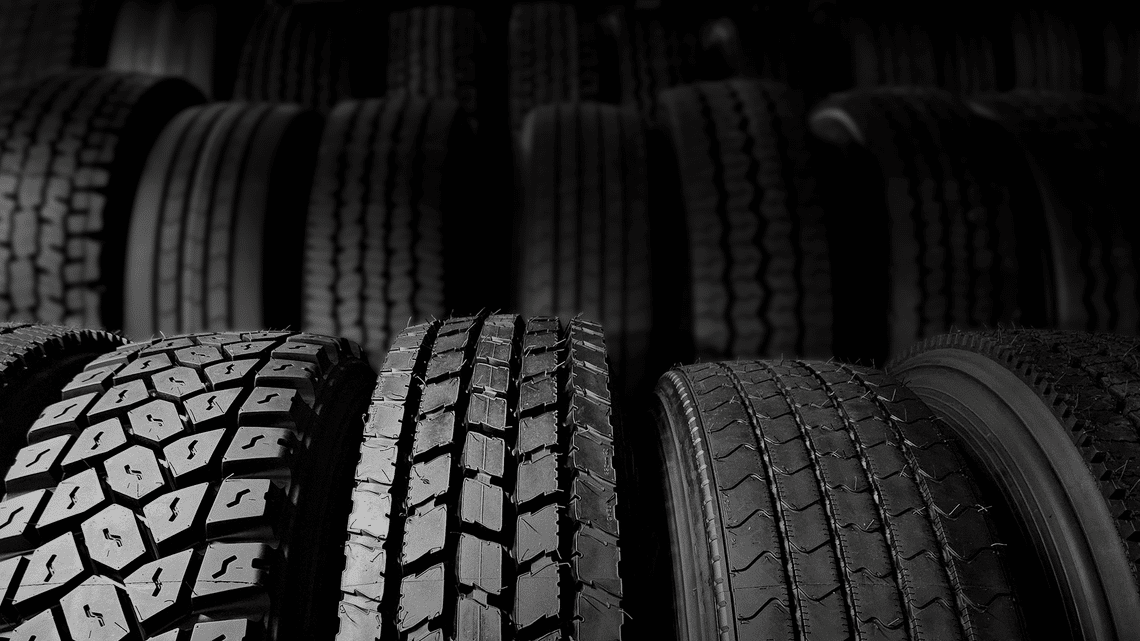
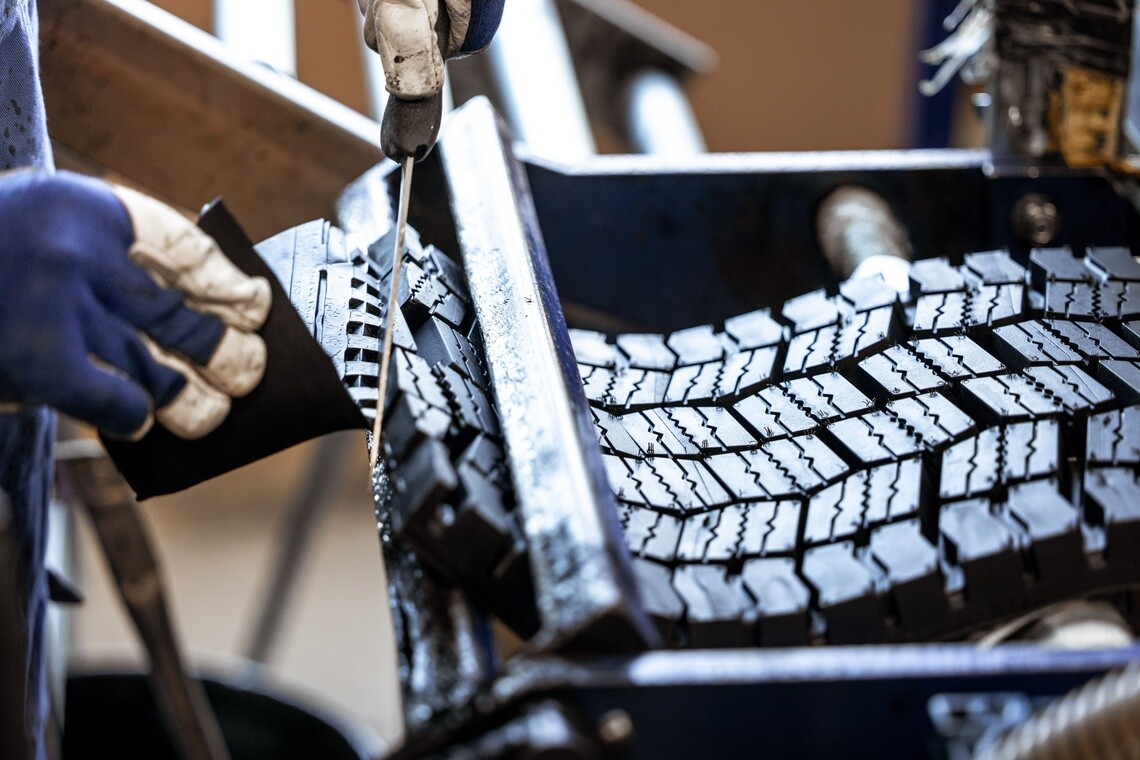
Retreaded truck tires, also called recap tires, are tires with suitable casings that have been inspected and rebuilt with new tread to extend their useful life. Premium tire casings designed for retreading may support multiple service lives, helping fleets maximize their tire investment.
Below, we address seven common myths about retreaded tires and what they mean for fleet operations.
Retreaded tires are worn, premium new tire casings that have been rebuilt with new tread material to extend the useful life of the original casing. The casing itself is designed to support multiple retreaded lives when the casing meets applicable inspection and eligibility requirements.
When you buy a retreaded tire, you're buying a premium casing paired with a new tread surface, not a lower-quality product. The retreading process replaces only the worn tread while preserving the structural integrity of the casing, which is where most of the tire's engineering value resides. This is why retreaded tires are sometimes also referred to as remolded or recap tires in the industry.
Retreaded tires have been the subject of misconceptions for years, many rooted in outdated information from decades past. Below are seven persistent myths, and the facts that contradict them, that still influence purchasing decisions in the trucking industry.
Understanding the truth behind these myths is essential for making an informed decision about your fleet's tire strategy and bottom line.
This myth presents a false choice. While a cheap new tire may have a lower upfront price, the total cost of ownership tells a very different story.
Retreading is already a common practice among larger commercial fleets. According to The State of Retread Tires in the United States & Canada: 2024 Addendum, nearly 90% of U.S. fleets with 100 or more trucks use retreaded tires, citing research published in 2018. These fleets recognize the value of extending tire life and managing long-term operating costs rather than focusing solely on the initial purchase price.
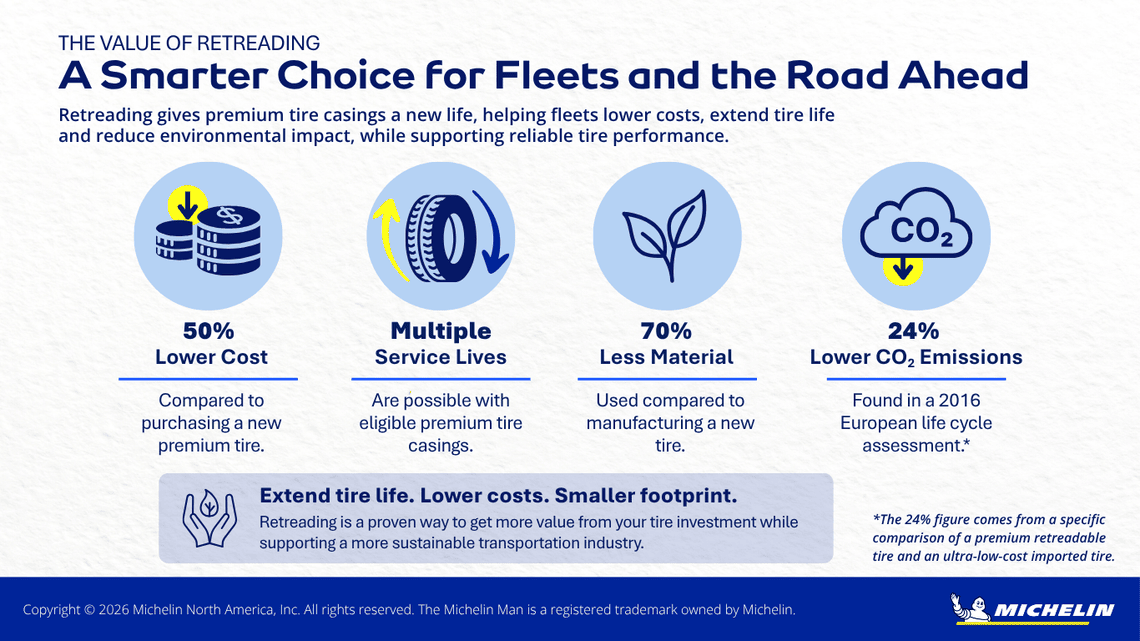
Retreaded tires generally cost about 50% less than comparable new premium tires, although actual pricing varies. For fleets that view tires as a long-term investment, retreading can extend the useful life of eligible casings and help reduce overall tire costs. The number of times a casing can be retreaded depends on its condition, application, and inspection results.
Low-cost imported tires may offer a lower initial purchase price, but they are not always designed for multiple service lives. According to the U.S. Tire Manufacturers Association (USTMA), imported alternatives to new domestic tires are 65% less likely to be retreaded because of their design and construction. For fleets and owner-operators, this makes it important to consider casing retreadability and long-term tire costs alongside the initial purchase price.
Learn more about how retreading lowers fleet costs and see a detailed retread vs. low-cost imports comparison.
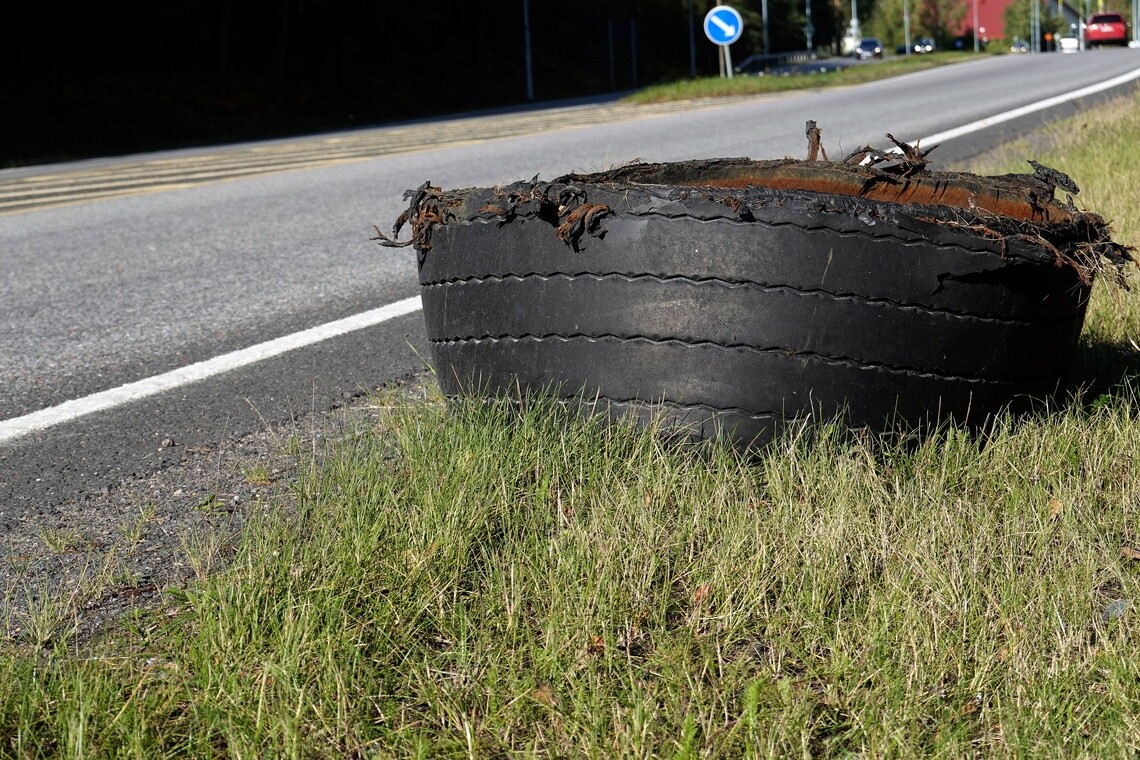
Commercial Truck Tire Debris Along a Roadway
Rubber debris along highways does not automatically indicate a retread tire failure. Both new and retreaded tires can experience failures, and roadside debris alone does not identify the type of tire involved or the cause of the failure. This distinction is important when evaluating the safety and reliability of retreaded tires.
According to a study by the National Highway Traffic Safety Administration (NHTSA), which involved the collection of 85,000 pounds of scrap commercial tires and 300 tire casings from highways, tires fail because they hit other debris, are not properly maintained, or are under- or overinflated. The rubber pieces you see on the road come from both new and retreaded tires in equal proportions to their usage on roads.
Federal and state research has identified underinflation, overloading, road hazards, and improper tire maintenance as important contributors to commercial tire failures. These findings challenge the misconception that roadside tire debris is primarily caused by failures of the bond between retreaded tread and its casing.
The takeaway: proper tire maintenance and inflation protect your fleet whether you're running new or retreaded tires. The blame placed on retreads for roadside debris is based on outdated assumptions, not current evidence.
Retread tires are as safe as new tires when properly maintained. This is the most important concern fleet managers have, and it's supported by extensive safety research and real-world performance data.
Retreaded tires are used in demanding applications beyond commercial trucking. According to the Tire Retread & Repair Information Bureau (TRIB), nearly 80% of aircraft tires in service in the United States are retreads, with more than 100,000 aircraft retreads used annually. Retreaded tires are also used by school buses, emergency vehicles, and commercial delivery fleets, demonstrating their widespread use across applications where tire reliability is essential.
Research cited in The State of Retread Tires in the United States & Canada: 2024 Addendum found that well-maintained retreaded tires offer reliability comparable to well-maintained new tires. The report references research from the National Highway Traffic Safety Administration (NHTSA), the American Trucking Associations, and state-level studies. Proper tire inflation, routine inspections, and maintenance remain essential for safe operation, regardless of whether a tire is new or retreaded.
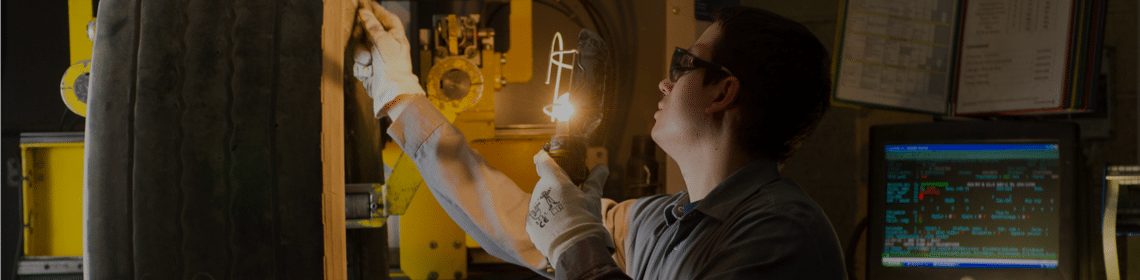
Michelin's quality assurance reflects this safety record. Our retreaded tires go through Michelin's 9-step manufacturing process, which applies rigorous controls at each stage to ensure that every retread meets high performance and durability standards.
The bottom line: Properly manufactured and maintained retreaded tires can provide safe, reliable performance in commercial applications. Your fleet's maintenance practices play an important role in tire safety, whether you're operating new or retreaded tires.
Benefits of Retreading Commercial Truck Tires
Retreaded tires can actually deliver the fuel efficiency your fleet needs. If low rolling resistance and fuel economy matter to your operation, retreads are a viable solution, not a limitation.
Many manufacturers offer low-rolling-resistance tread designs for both new and retreaded tires. David Stevens, managing director of the Tire Retread & Repair Information Bureau, previously reported that more than 40 retreaded tire options had received EPA SmartWay® verification for low rolling resistance. Fleets should confirm the current verification status of specific retread products when evaluating fuel-efficiency options.
According to Glenn Stockstill, product category manager for Michelin retreads, many Michelin retread options are designed to support fuel-efficient fleet operations. Stockstill also notes that certain Michelin retreads can deliver approximately 80% of the mileage of their new-tire counterparts. While mileage and fuel efficiency are separate performance measures, both are important considerations when evaluating retread options for a fleet. Actual results depend on the tread design, application, and operating conditions.
Retreaded tires can perform reliably in demanding operating conditions when they are properly selected, inflated, inspected, and maintained. Extreme temperatures can place additional demands on tires, making proper maintenance especially important for both new and retreaded tires.
Research conducted in Arizona, where commercial tires operate in demanding heat conditions, identified improper inflation, poor tire maintenance, and road hazards as important contributors to tire failures. These factors can affect both new and retreaded tires. The findings reinforce the importance of maintaining proper inflation pressure and inspecting tires regularly, particularly when operating in extreme temperatures.
The takeaway: whether your fleet operates in extreme heat, cold, or variable conditions, proper tire pressure and routine maintenance matter far more than whether the tire is new or retreaded.
Modern retreading processes have improved the appearance of retreaded tires, making them more difficult to distinguish from new tires. Michelin's retreading white paper highlights a 2019 Tire Retread & Repair Information Bureau event where more than 350 attendees attempted to identify new and retreaded tires. Only approximately 25% correctly distinguished between them.
For fleet managers, appearance is only one consideration. Tire performance, reliability, cost per mile, and total cost of ownership are generally more important factors when evaluating tire investments.
Advances in retreading technology have helped address longstanding perceptions about retread quality and appearance. Rather than judging a tire solely by how it looks, fleets can evaluate whether a retread meets their application, performance, and operational requirements.
retread warehouse
Retreading can reduce the resources needed to keep commercial tires in service by reusing an existing casing rather than manufacturing an entirely new tire. According to The State of Retread Tires in the United States & Canada: 2024 Addendum, retreading reduces energy use by approximately 30% and requires about 15 fewer gallons of oil per tire compared with manufacturing a new truck tire. The report also estimates that a typical commercial tire retread saves approximately 90–100 pounds of material. These benefits illustrate how extending tire casing life can help fleets reduce material consumption and waste.
Retreading can also help reduce the environmental impact associated with manufacturing replacement tires. A 2016 European life cycle assessment reported by Ernst & Young compared a premium retreadable tire with an ultra-low-cost imported tire. The study reported 24% lower carbon dioxide emissions, 21% less air pollution, 70% less natural resource extraction, 29% less land use, and 19% less water consumption for the retreadable tire scenario. These findings reflect the specific tires and conditions evaluated in the study rather than a universal comparison across all tire products.
For fleets serious about reducing their environmental footprint while managing costs, retreading aligns operational efficiency with environmental responsibility. It's a practical way to cut both expenses and waste.
Michelin retreads are built on the same quality standards and manufacturing rigor that support the safety record of retreads across the entire industry. The advances in retread technology over recent years, especially Michelin's rigorous 9-step manufacturing process, mean that today's retreads are reliable, high-performing tires that deserve a serious place in your fleet strategy.
Michelin retread solutions are designed to help fleets extend the useful life of eligible premium tire casings. Through casing inspection, preparation, and the application of new tread, the retreading process supports continued tire performance while helping fleets manage long-term tire costs. For fleet managers evaluating safety, durability, fuel efficiency, and environmental impact, Michelin retreads offer an option worth considering as part of a comprehensive tire management strategy.
Ready to dig deeper into the science and data behind retread tire performance? Download the white paper below for a comprehensive breakdown of each myth, supported by industry research, safety studies, and real-world fleet examples. It's the detailed resource you need to make a fully informed decision about retreads for your operation.
Ready to learn more about how retreads can improve your fleet's bottom line and sustainability?
Discover how Michelin TreadVision combines AI-powered inspections, precision robotics, and fleet data to improve retread consistency, optimize tire management, and help fleets get more value from their tire investments.
Explore Michelin retread solutions, their benefits, and the 9-step manufacturing process designed to help fleets extend casing life, reduce tire costs, and support long-term performance.
Find practical tire maintenance tips, performance insights, and fleet management resources to help improve tire life, manage operating costs, and make informed tire decisions.
You are using and outdated Web Browser.
You are using a browser that is not supported by this website. This means that some functionality may not work as intended. This may result in strange behaviors when browsing round.
Use or upgrade/install one of the following browsers to take full advantage of this website