Finalize my selection 0

You have not selected a product

Emergency road service

Michelin OnCall

3 Tips to Avoid a Roadside Truck Breakdown

Published on September 11, 2023 - 5 minute read

UPDATED November 2026

A roadside truck breakdown can disrupt deliveries, increase operating costs and put drivers in potentially dangerous situations. For commercial fleets, the impact goes beyond the immediate repair bill. Unexpected downtime can affect schedules, productivity and customer commitments.

While not every breakdown can be prevented, proactive fleet maintenance, early identification of mechanical issues and proper emergency preparation can help reduce the risk of unexpected roadside failures.

In this article, we'll explore three practical ways fleet managers can help prevent roadside truck breakdowns, recognize potential warning signs and prepare drivers to respond safely when problems occur.
 

Tip 1: Prevent breakdowns with proactive fleet maintenance, illustrated with a maintenance checklist icon.

Prevent Breakdowns With Proactive Fleet Maintenance


1. Prevent Breakdowns With Proactive Fleet Maintenance

Preventive maintenance helps commercial fleets identify potential mechanical issues before they lead to unexpected roadside breakdowns. Regular inspections, scheduled servicing and timely repairs can help improve vehicle reliability, protect drivers and minimize costly downtime.

A strong preventive maintenance program starts with consistent vehicle inspections. Drivers should check that critical components are in good working condition before operating their trucks, while maintenance teams should follow manufacturer-recommended service schedules and address reported issues promptly.

Key areas to include in routine commercial truck inspections:

 •  Tires and wheels: Check tire pressure, tread condition, visible damage and wheel components.

 •  Braking systems: Check for visible defects and signs of brake system problems.

 •  Fluid levels and leaks: Check engine oil, coolant and other applicable fluids for proper levels and signs of leakage.

 •  Lights and electrical components: Verify that required lights are functioning and investigate electrical issues.

 •  Mirrors, windshield and wipers: Check visibility-related components for damage and proper operation.

 •  Steering and coupling components: Check for visible defects or conditions that could affect safe operation.

The Federal Motor Carrier Safety Administration (FMCSA) identifies key components drivers must ensure are in good working order before operating a commercial motor vehicle, including brakes, tires, steering, lights and emergency equipment.

Scheduling preventive maintenance during planned downtime can also help fleets avoid unexpected service interruptions and keep trucks available for deliveries.
 

Why Tire Maintenance Matters in Preventing Roadside Breakdowns

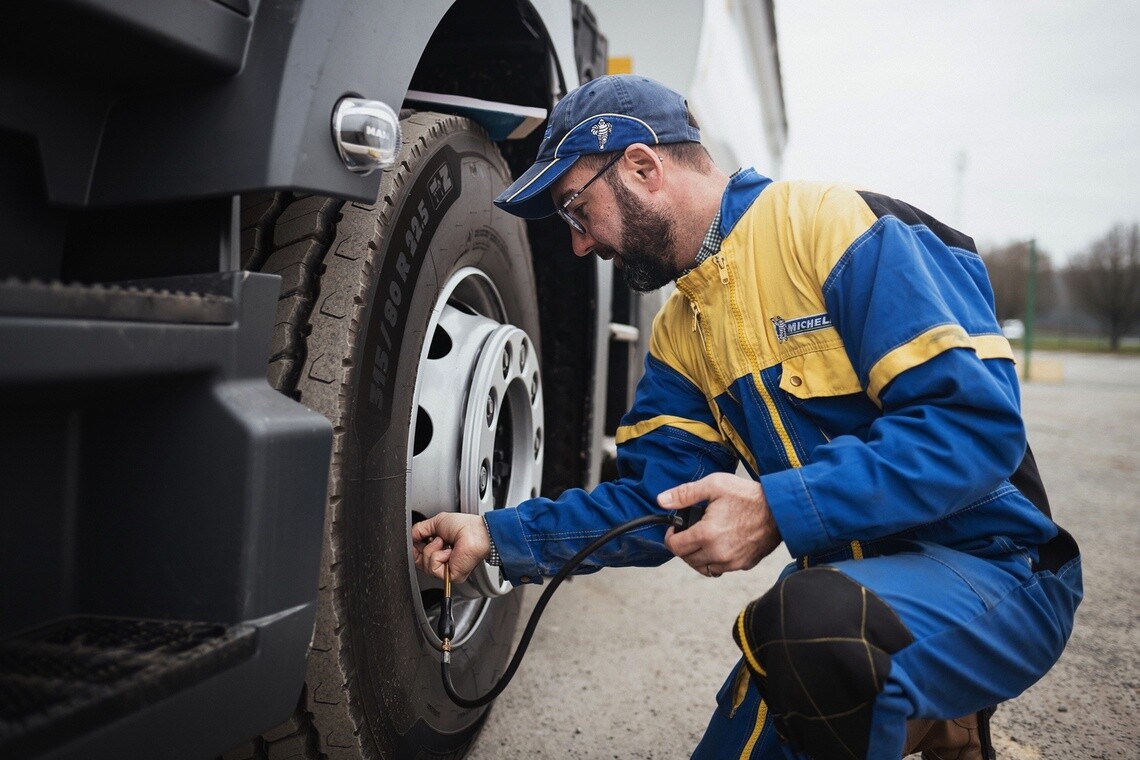
Tire problems can lead to unexpected roadside breakdowns, costly repairs and delivery delays. Regular tire inspections and proper inflation are important parts of a preventive maintenance program, helping fleets identify potential issues before they result in tire failures.

Fleet managers and drivers should pay particular attention to:

 •  Tire pressure: Underinflated tires can generate excessive heat, increase rolling resistance and contribute to premature tire failure. Check inflation pressure when tires are cold and follow the manufacturer's recommendations.

 •  Tread wear: Inspect tires for uneven wear, excessive wear or unusual patterns that may indicate alignment, suspension or inflation issues.

 •  Visible damage: Look for cuts, cracks, bulges, embedded objects or other signs of tire damage that may require professional inspection.

 •  Tire condition over time: Monitor tire performance and address recurring issues before they lead to unplanned downtime.

Consistent tire maintenance can help extend tire life, support fuel efficiency and reduce the risk of tire-related roadside emergencies. For additional guidance, explore Michelin's commercial truck tire pressure recommendations.
 

Tip 2: Recognize the warning signs of a truck breakdown, illustrated with a dashboard warning icon.

Recognize the Warning Signs of a Truck Breakdown


2. Recognize the Warning Signs of a Truck Breakdown

Not every roadside truck breakdown happens without warning. Changes in vehicle performance, unusual noises and dashboard alerts can indicate developing mechanical problems. Training drivers to recognize and report these signs early can help maintenance teams address issues before they result in unexpected downtime.

Common warning signs drivers should watch for include:

 •  Flickering or dimming lights: May indicate problems with the battery, alternator or electrical system.

 •  Engine overheating: Rising temperature gauges, warning lights or steam may signal cooling system problems that require immediate attention.

 •  Dashboard warning lights: Check engine, oil pressure and other warning indicators can signal mechanical or electrical issues that should not be ignored.

 •  Fluid leaks: Oil, coolant or other fluid leaks may indicate problems that could lead to component damage or vehicle failure.

 •  Unusual noises or vibrations: Grinding, knocking, squealing or unexpected vibrations may indicate developing problems with the engine, brakes, tires or other components.

 •  Changes in handling or braking: Pulling to one side, reduced braking performance or steering difficulties may indicate safety-critical mechanical issues.

Drivers should report warning signs promptly and follow their fleet's procedures for determining whether a vehicle can continue operating safely. Serious symptoms, such as loss of braking performance, low oil pressure or overheating, may require stopping the vehicle as soon as it is safe to do so.

Addressing potential problems early allows maintenance teams to investigate and schedule repairs before minor issues develop into more serious failures.
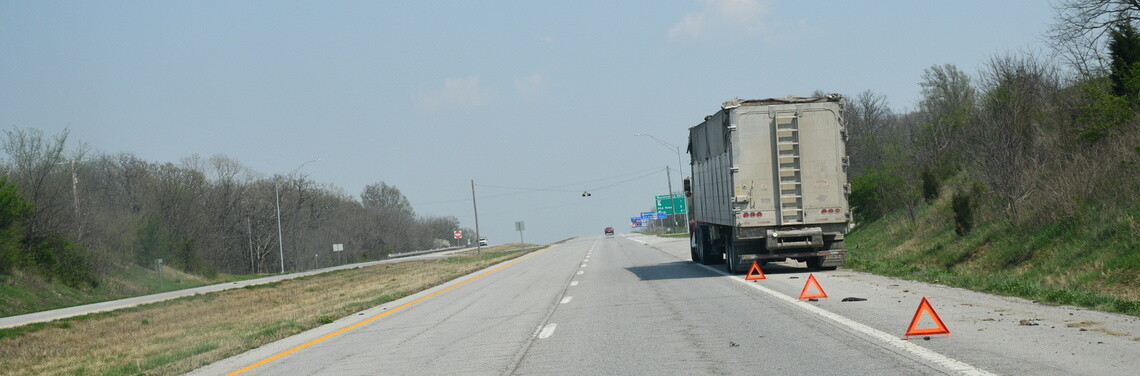
 

Tip 3: Prepare drivers for roadside breakdowns, illustrated with a commercial truck and roadside warning icon.

Prepare Drivers for Roadside Breakdowns


3. Prepare Drivers for Roadside Breakdowns

Even with a strong preventive maintenance program, unexpected truck breakdowns can still happen. Having a clear roadside emergency response plan helps protect drivers, reduce confusion and minimize disruptions when a vehicle becomes disabled.

Fleet managers should ensure drivers know who to contact, what information to provide and how to respond safely while waiting for assistance. Emergency procedures should be communicated during driver training and reinforced regularly.

What to Do When a Truck Breaks Down

If a commercial truck experiences a mechanical failure on the road, drivers should follow their fleet's emergency procedures and prioritize their safety and that of other motorists.

Key roadside safety steps include:

 1)  Move to a safe location: If the truck can be operated safely, pull as far away from moving traffic as possible.

 2)  Activate hazard lights: Alert approaching motorists that the vehicle is disabled.

 3)  Secure the vehicle: Apply the parking brake and follow appropriate vehicle-securing procedures, including wheel chocking when necessary and safe.

 4)  Contact dispatch or roadside assistance: Report the breakdown and provide the truck's location, vehicle identification and a description of the problem.

 5)  Follow roadside warning requirements: Deploy required warning devices when safe to do so, following applicable regulations and fleet procedures.

 6)  Wait for assistance safely: Assess surrounding traffic and environmental conditions before deciding whether to remain inside the cab or move to a safer location. Avoid attempting repairs in hazardous roadside conditions.

Having a reliable roadside assistance provider can also help fleets coordinate repairs and reduce the time vehicles spend out of service.


checking tire pressure

checking tire pressure

Michelin ONCall: Roadside Assistance for Commercial Trucks

Even with proactive maintenance and a well-prepared team, unexpected roadside breakdowns can still happen. When they do, having access to reliable roadside assistance can help commercial fleets minimize downtime and get their trucks back on the road.

Michelin ONCall provides tire and mechanical roadside assistance for commercial trucks, helping fleets respond to unexpected breakdowns. With a single call or click, fleet managers and drivers can request assistance and coordinate service when they need it most.

Whether you're dealing with a tire-related issue or a mechanical breakdown, Michelin ONCall helps simplify the roadside assistance process so your fleet can focus on getting back to business.

Frequently Asked Questions

What are common causes of roadside truck breakdowns?

Common causes of commercial truck breakdowns include tire failures, engine and cooling system problems, electrical issues, and brake system malfunctions. Regular inspections and preventive maintenance can help fleets identify potential problems before they result in unexpected roadside failures.

How can preventive maintenance help reduce truck breakdowns?

Preventive maintenance helps reduce roadside breakdowns by identifying worn components, fluid leaks, tire damage and developing mechanical issues before they lead to vehicle failure. Following manufacturer-recommended maintenance schedules, conducting regular inspections and addressing reported problems promptly can improve fleet reliability and minimize unplanned downtime.

What warning signs should truck drivers watch for?

Truck drivers should watch for dashboard warning lights, engine overheating, unusual noises or vibrations, fluid leaks, changes in braking performance and steering difficulties. Drivers should report these symptoms promptly and follow fleet safety procedures to determine whether the vehicle can continue operating safely.

What should a truck driver do during a roadside breakdown?

If a commercial truck breaks down, the driver should move to a safe location when possible, activate hazard lights and secure the vehicle. Drivers should contact dispatch or roadside assistance, provide their location and vehicle information, and follow applicable roadside warning requirements. Personal safety should remain the priority while waiting for assistance.

You are using and outdated Web Browser.

You are using a browser that is not supported by this website. This means that some functionality may not work as intended. This may result in strange behaviors when browsing round.

Use or upgrade/install one of the following browsers to take full advantage of this website

Firefox 78+
Edge 18+
Chrome 72+
Safari 12+
Opera 71+