
blue gradient background

gray gradient

blue textured background

RFID pictogram
Pneu Michelin technologie
blue textured background
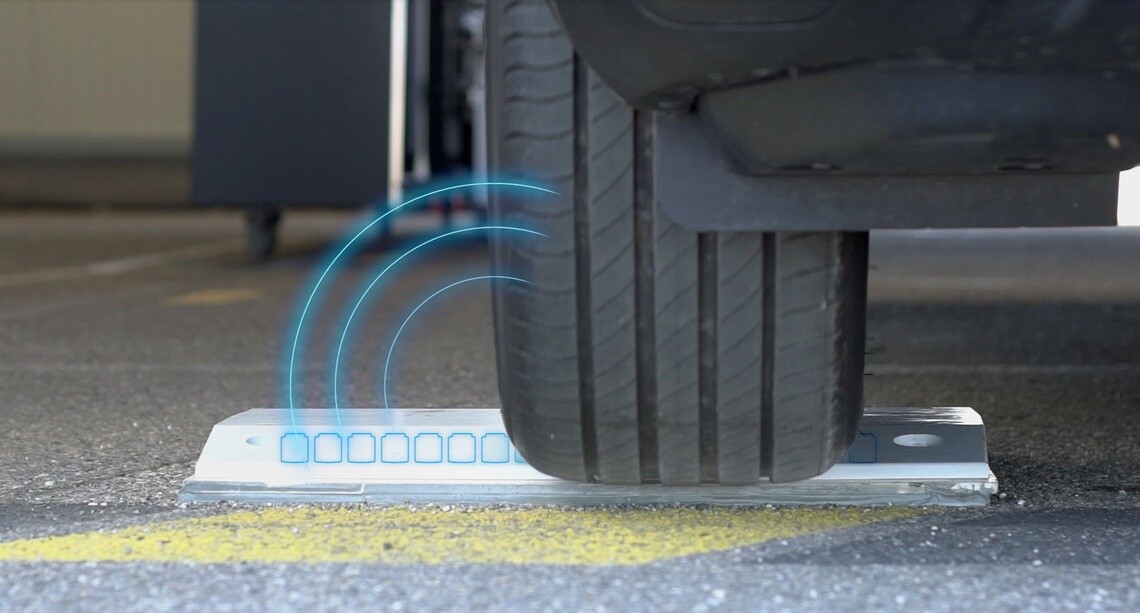
MICHELIN QuickScan: automated tire inspection
blue gradient background
Michelin connective technologies help fleets improve tire management through digital identification, tracking and automated inspections. From RFID-enabled tire traceability to Michelin QuickScan tire inspections, these solutions provide information to support maintenance planning, operational efficiency and tire performance.
gray gradient
Explore Michelin's connective technologies below to see how RFID and QuickScan support tire tracking, automated inspections and more efficient fleet management. Select a technology to learn more.
Technology | Primary Benefit | Ideal Applications |
Tire identification and traceability throughout the tire lifecycle | Tire inventory management, fleet operations and recycling programs | |
Automated tire inspections with tire wear measurements and maintenance insights | Fleet tire monitoring, preventive maintenance and inspection efficiency |
blue textured background
RFID pictogram
Pneu Michelin technologie
RFID (Radio Frequency Identification) technology uses a small electronic chip embedded in a tire to provide a unique identification number that can be read using compatible RFID equipment. This allows tires to be identified and their information managed throughout their lifecycle, from manufacturing and fleet operations to retreading and recycling.
By supporting tire identification and traceability, Michelin RFID technology can help fleets improve inventory management, streamline tire tracking and support more efficient tire lifecycle management.
Support tire identification and tracking from manufacturing through fleet use, retreading and recycling.
Simplify tire identification and inventory management with reliable digital tire information.
Support tire lifecycle management and recycling processes through improved tire traceability.
blue textured background
Michelin QuickScan is an automated tire inspection solution that measures tire tread depth as vehicles drive over a ground-mounted scanning system. It helps fleet operators monitor tire wear without stopping vehicles for a separate manual tread depth inspection.
By providing tire wear data, QuickScan helps fleets identify tires that may need attention, plan maintenance more efficiently and make informed decisions about tire replacement.
MICHELIN QuickScan: automated tire inspection
Automated Tire Inspections: Measures tire tread depth as vehicles pass over the scanning system, reducing the need for separate manual tread depth checks.
Tire Wear Monitoring: Provides tread depth measurements to help fleets identify worn tires and monitor tire condition over time.
Maintenance Planning: Helps maintenance teams prioritize tire inspections, service and replacement based on measured tread wear.
Operational Efficiency: Integrates tire wear checks into normal vehicle movements, helping reduce inspection-related interruptions.
Fleet Tire Management: Provides useful tire wear information to support maintenance decisions and tire lifecycle management.
A fleet vehicle passes over the ground-mounted Michelin QuickScan system during normal operations.
QuickScan automatically measures tire tread depth as the vehicle passes over the scanning system.
Tire wear measurements are collected and made available to help maintenance teams assess tire condition.
Fleet operators use the information to identify tires needing attention and make informed maintenance decisions.
Michelin connective technologies help fleets manage tire identification, monitor tire wear and make more informed maintenance decisions. Here are answers to common questions about RFID technology and Michelin QuickScan.
RFID technology gives each equipped tire a unique digital identifier that can be read using compatible equipment. This helps fleets identify tires, maintain inventory records and support tire traceability throughout their lifecycle, including retreading and recycling.
Michelin QuickScan is designed for automated tire inspections in commercial fleet operations. Compatibility depends on the vehicle types, tire configurations and installation requirements. Fleet operators should confirm suitability with a Michelin representative before implementation.
Michelin QuickScan uses a ground-mounted scanning system that allows vehicles to pass over it during normal operations. Installation requirements depend on the fleet location and operating environment. A Michelin representative can help determine the appropriate setup.
Michelin QuickScan collects tire wear measurements that can be used to monitor tire condition and support maintenance planning. The available reporting and data access options depend on the QuickScan system configuration and associated services.
RFID can simplify tire identification and inventory management, while Michelin QuickScan helps automate tire wear monitoring and support preventive maintenance planning. Together, these technologies can help fleets improve operational efficiency and make more informed decisions about tire maintenance and replacement.
Want to know more about other Michelin technologies?
You are using and outdated Web Browser.
You are using a browser that is not supported by this website. This means that some functionality may not work as intended. This may result in strange behaviors when browsing round.
Use or upgrade/install one of the following browsers to take full advantage of this website


