Finalize my selection 0

You have not selected a product

MICHELIN Radial technology

MICHELIN Radial technology

What Are Radial Tires? Benefits & Technology
How Are Radial Tires Constructed?

What Is a Radial Tire?

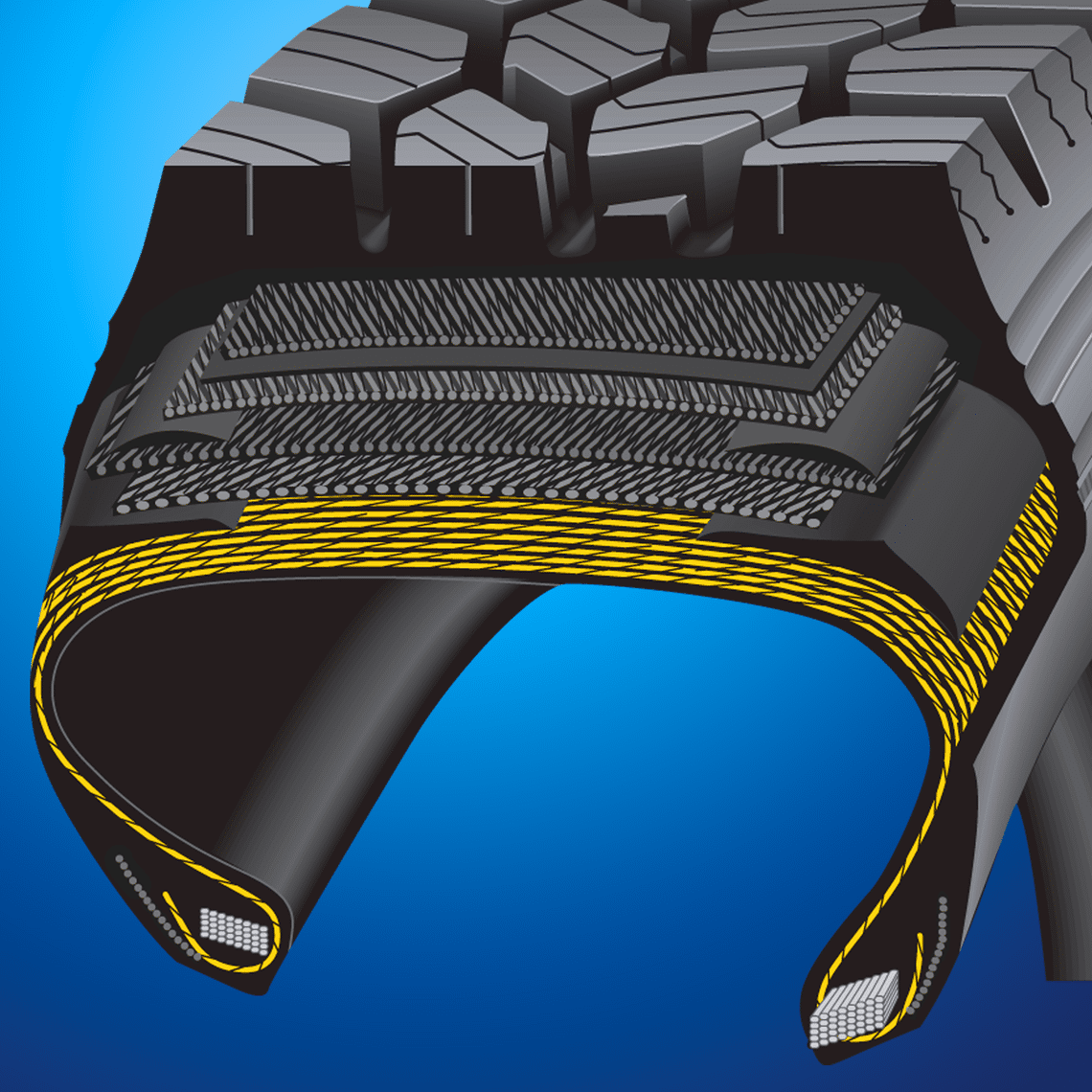
A radial tire is constructed with reinforcing cords that run from bead to bead, positioned approximately 90 degrees to the direction of travel. This design allows the sidewalls and tread to function more independently, helping support flexibility, stability and consistent road contact.

Michelin helped revolutionize tire technology when it patented steel-belted radial tire construction in 1946, introducing an innovation that transformed tire design and performance.

Radial Tire Construction and Components

Radial tires feature a carcass with reinforcing cords arranged radially across the tire. Beneath the tread, circumferential belts reinforce the crown, helping stabilize the tread area while allowing the sidewalls to flex.

This construction helps support traction, ride comfort and durability across a variety of commercial vehicle applications.


A cutout of a tire to show the radial pattern

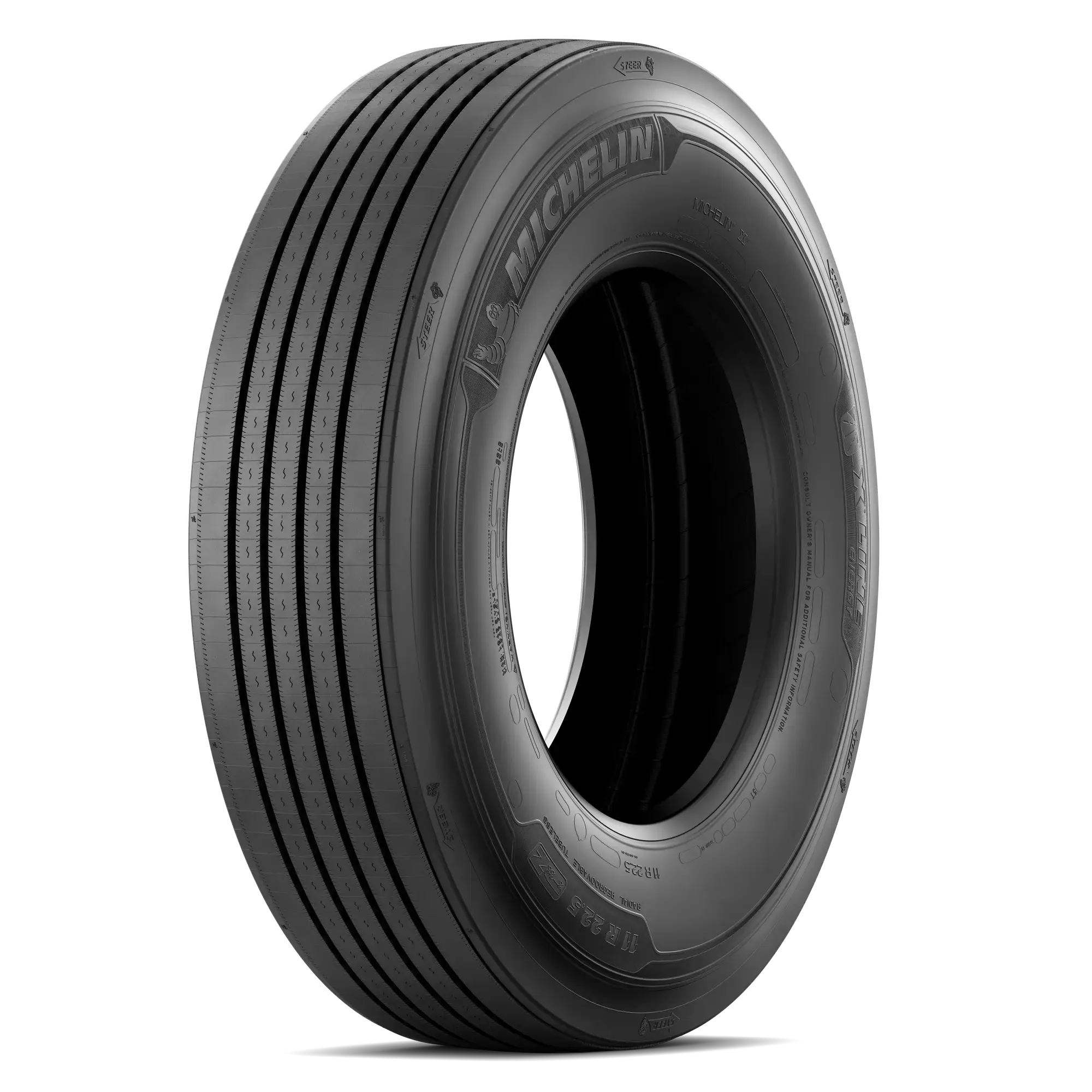
Michelin Radial Tire

What Are the Benefits of Radial Tires?

Radial tire construction offers several advantages for commercial vehicles, including traction, ride comfort, tread wear and casing durability. By allowing the tread and sidewalls to function more independently, radial tires can help support consistent performance across a variety of driving conditions and applications.
 

Improved Grip & Traction

Radial tires feature a reinforced tread area and flexible sidewalls that help maintain consistent contact with the road. This construction supports traction and stability while promoting more even tread wear under appropriate operating conditions.

Enhanced Ride Comfort

The flexible sidewalls of radial tires help absorb road irregularities, supporting a smoother, more comfortable ride. This design can also contribute to vehicle stability and handling, particularly during extended periods of highway travel.

Retreadability &
Tire Life

Radial tire construction can support more uniform tread wear and casing durability, helping extend the useful life of commercial tires. When a casing meets inspection and condition requirements, it may be suitable for retreading, allowing fleets to maximize tire value through multiple tread lives.

Durability & Damage Resistance

The reinforced belt structure of radial tires helps stabilize the tread area and manage heat buildup during operation. Combined with a durable casing, this construction can support resistance to certain types of damage and help maintain tire performance under demanding conditions.

Explore Michelin Radial Tires

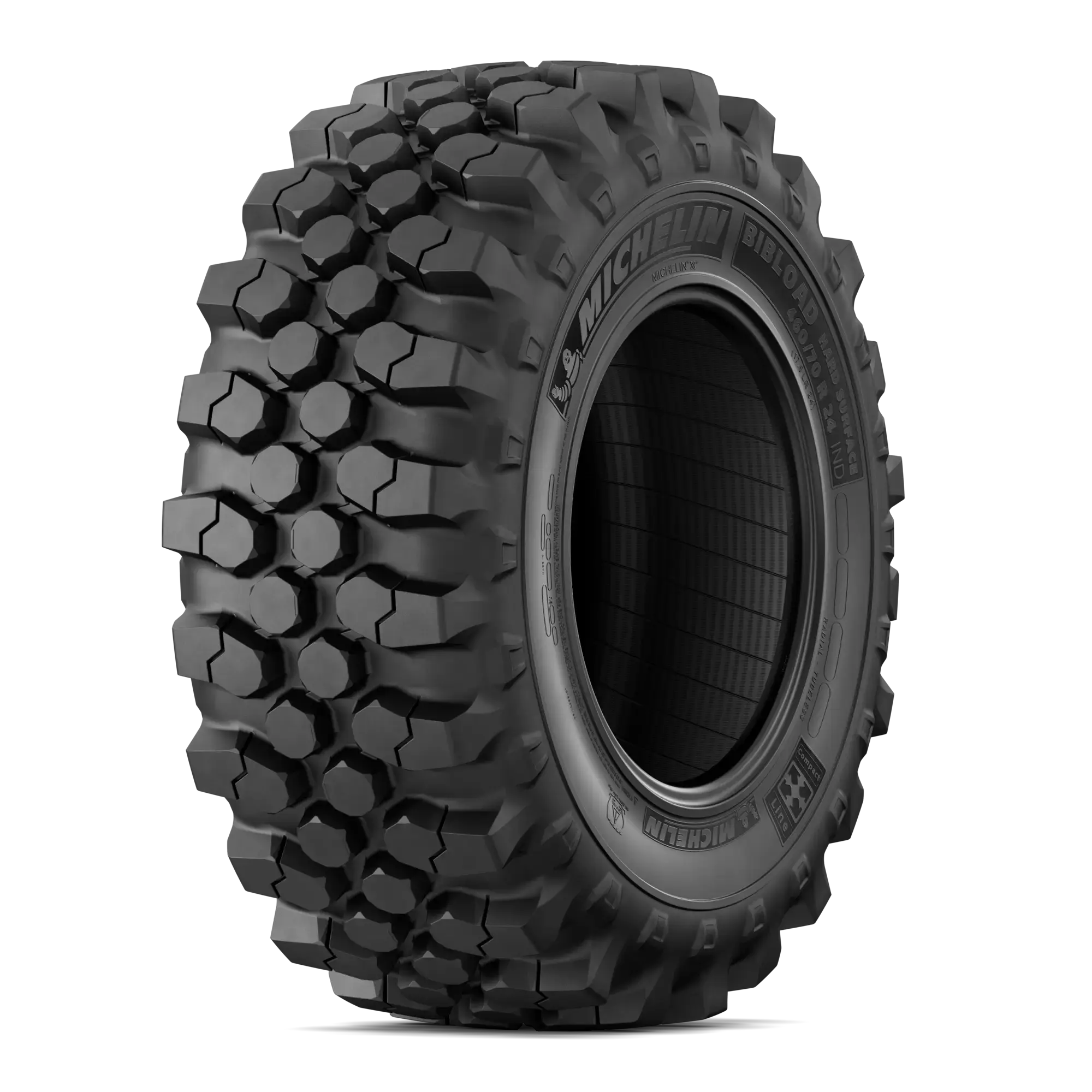
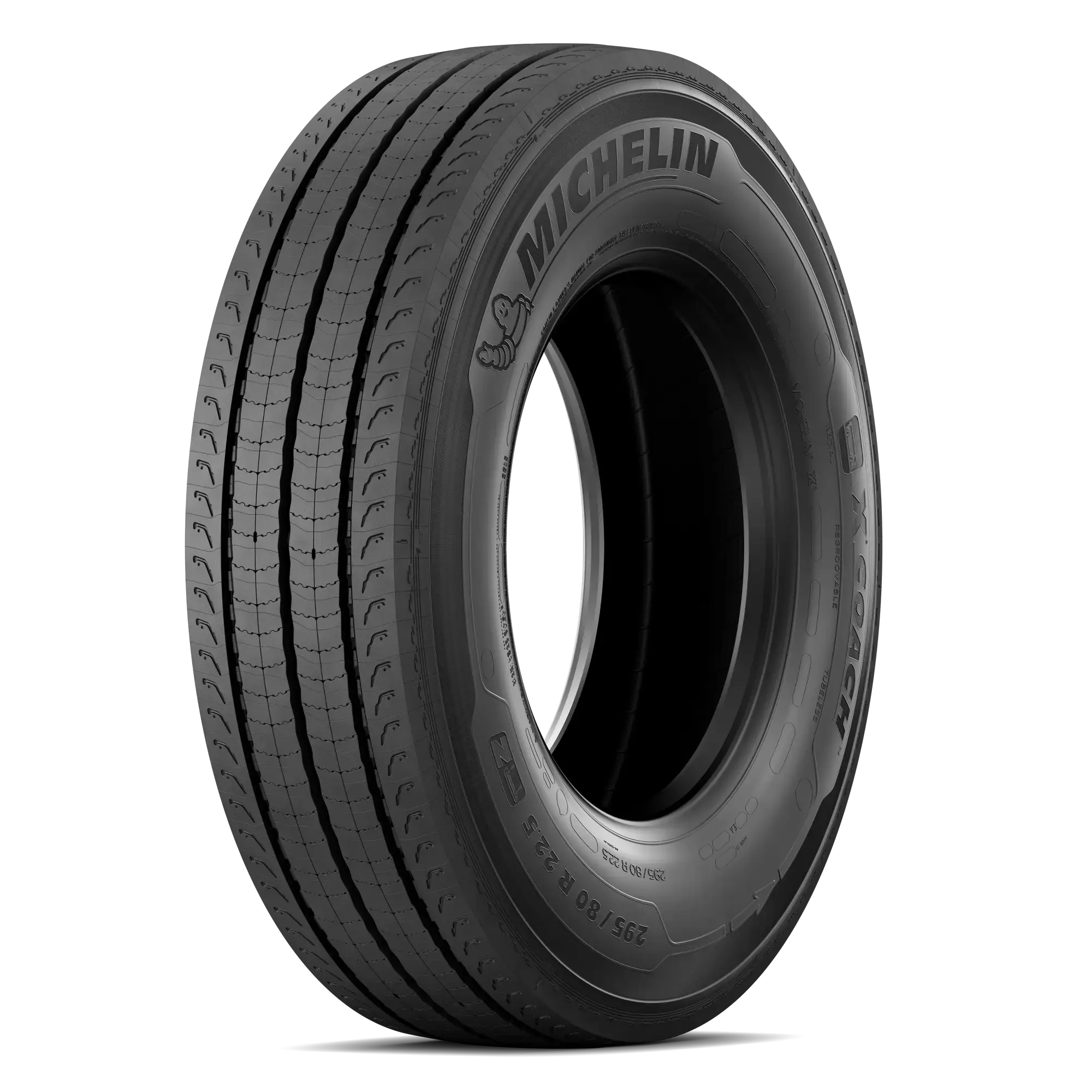
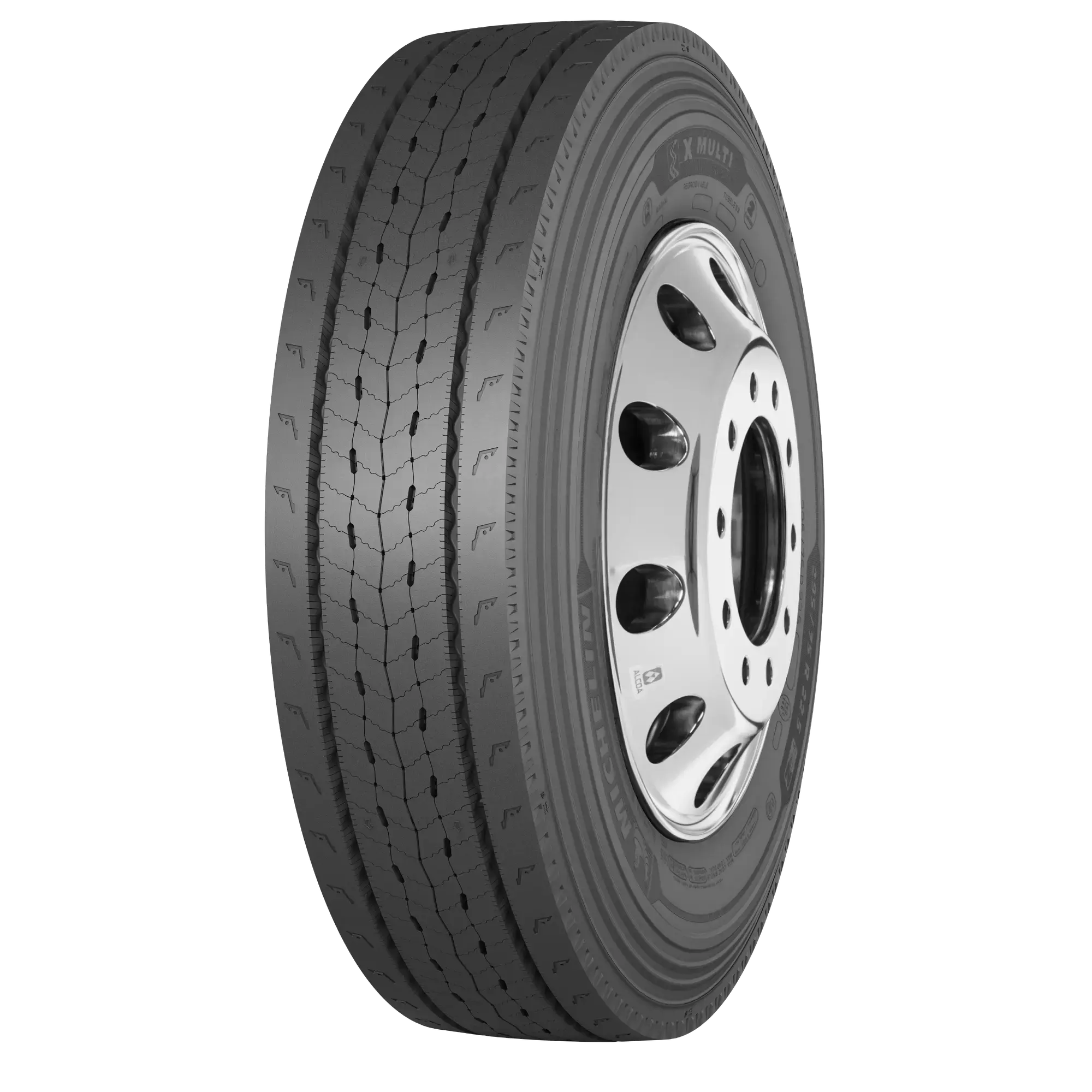
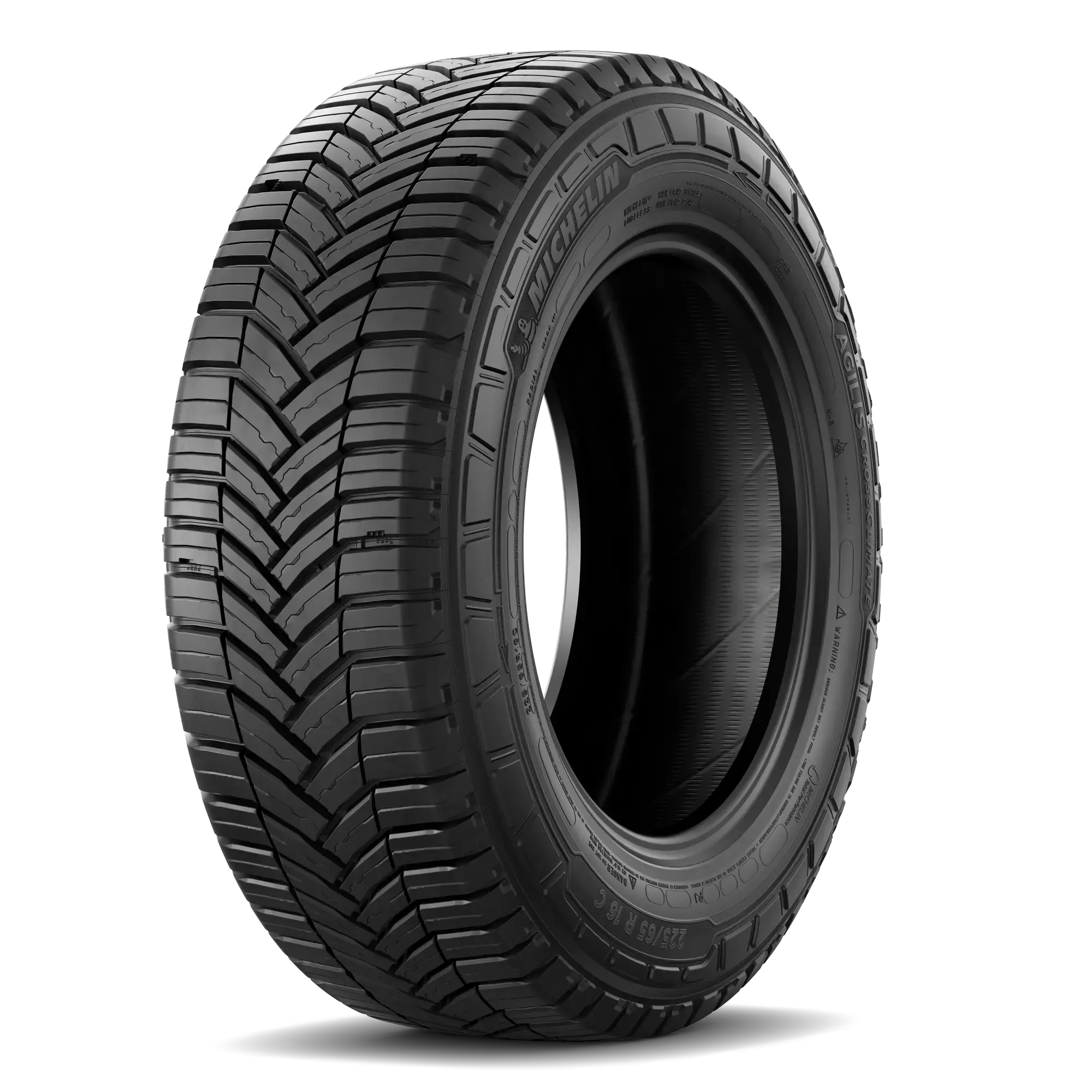
Michelin offers radial tires designed for a variety of commercial vehicle applications, from long-haul trucking to passenger transportation and light commercial vehicles. Explore Michelin radial tire solutions to find options suited to your fleet's operating needs.
 

Explore More Tire Technology & Selection Resources

Learn more about tire construction, compare radial and bias-ply designs, and explore how to select tires for different commercial vehicle applications.


Want to know more about other Michelin technologies?
 

Frequently Asked Questions About Radial Tires
 

What Is the Difference Between Radial and Bias-Ply Tires?

The primary difference is how the reinforcing cords are arranged within the tire. Radial tires have cords that run approximately 90 degrees to the direction of travel, while bias-ply tires feature overlapping cord layers arranged diagonally.

Radial construction allows the tread and sidewalls to function more independently, supporting traction, ride comfort and more uniform tread wear. Bias-ply construction offers different characteristics that may be beneficial in certain off-road and specialized applications.

For more information, please contact our Michelin experts.

How Can You Identify a Radial Tire?

Radial tires are typically identified by the letter R in the tire size designation, such as 11R22.5. Bias-ply tires generally use a hyphen or a D in the size designation.

You can also check the tire manufacturer's specifications to confirm its construction. Michelin radial tires may also feature an X designation in the product name.

What Is a Radial Tubeless Tire?

A radial tubeless tire combines radial tire construction with a design that does not require a separate inner tube. Instead, an airtight inner liner and the seal between the tire bead and compatible rim help maintain inflation pressure.

Tubeless radial tires are commonly used in commercial trucking and other vehicle applications. Their construction can simplify certain maintenance procedures compared with tube-type designs.

What Are the Main Advantages of Radial Tires?

Radial tires can offer several benefits, including improved traction, ride comfort, more uniform tread wear and casing durability. Their flexible sidewalls and reinforced tread area help maintain road contact while supporting efficient vehicle operation.

Actual performance depends on tire design, vehicle application, inflation pressure and operating conditions.

Are Radial Tires Suitable for Commercial Trucks and Agricultural Equipment?

Yes. Radial tires are widely used on commercial trucks, buses, agricultural equipment and other vehicles. Their construction can support traction, stability and durability across different operating conditions.

The right tire depends on the vehicle, load requirements, terrain and intended application. Always select tires that meet the equipment manufacturer's specifications.

You are using and outdated Web Browser.

You are using a browser that is not supported by this website. This means that some functionality may not work as intended. This may result in strange behaviors when browsing round.

Use or upgrade/install one of the following browsers to take full advantage of this website

Firefox 78+
Edge 18+
Chrome 72+
Safari 12+
Opera 71+