Fleet of vans charging
5 Practical Ways to Make Your Commercial Fleet More Sustainable
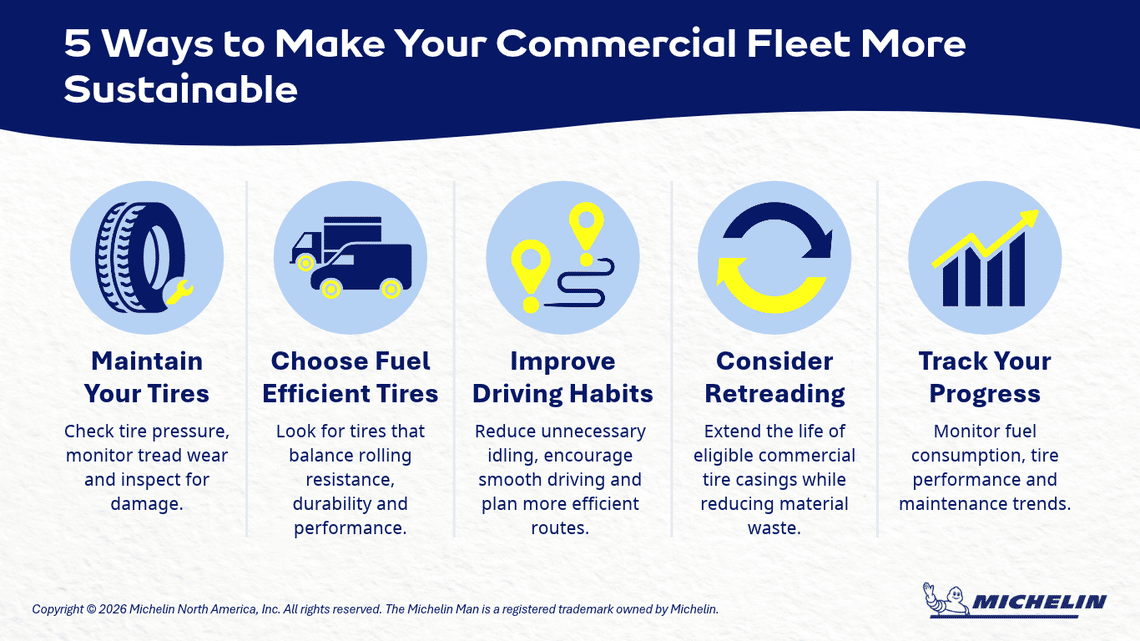
5 Ways to Make Your Commercial Fleet More Sustainable
Fleet of vans charging
Updated November 2026
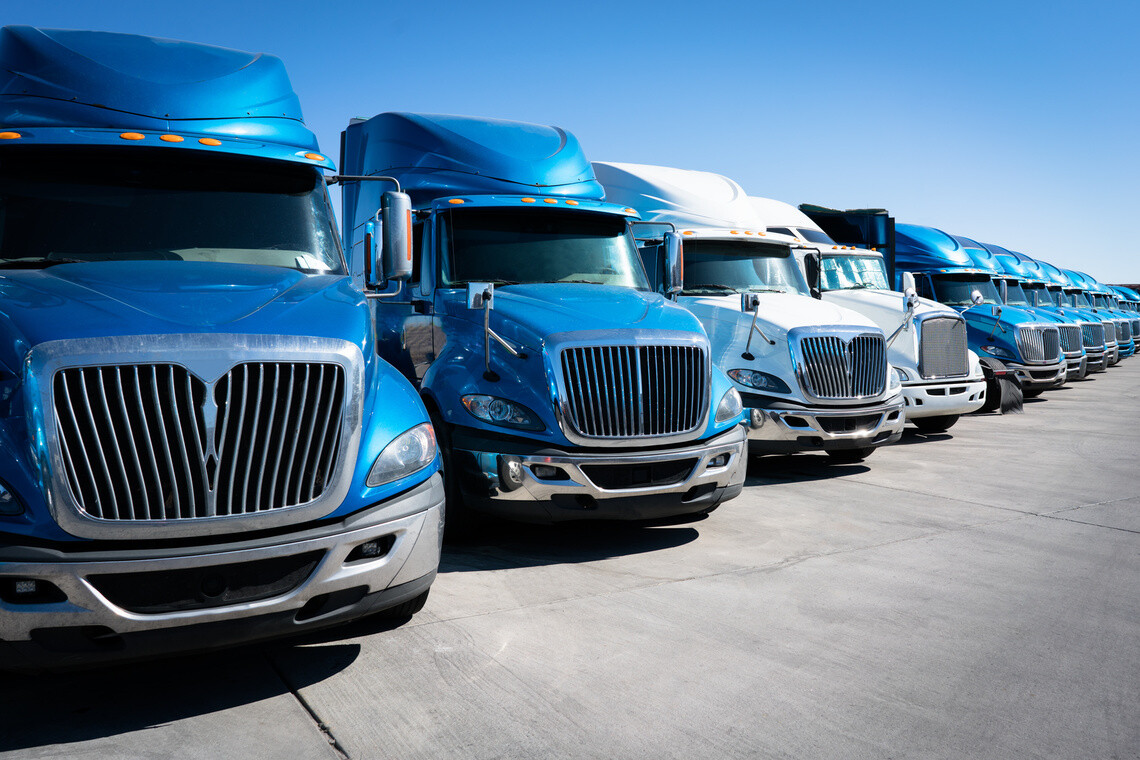
Making your fleet more sustainable doesn't have to mean replacing vehicles or making major investments. For many commercial fleets, meaningful improvements can start with everyday decisions about tire maintenance, fuel consumption and vehicle operations.
Whether you manage long-haul trucks, regional delivery vehicles or an urban fleet making frequent stops, improving efficiency can help reduce fuel consumption, limit unnecessary waste and support your company's sustainability goals.
From maintaining your tires to tracking fleet performance, here are five practical strategies to help reduce your fleet's environmental impact while keeping operating costs in mind.
For commercial fleets, sustainability isn't just about reducing emissions. It's also about using resources more efficiently, managing operating costs and getting the most out of your vehicles and tires.
Fuel consumption, tire performance, vehicle maintenance and driving habits all influence a fleet's environmental impact. For example, frequent stops and idling can increase fuel consumption in urban delivery operations, while long-haul fleets may find opportunities to improve efficiency through tire selection and preventive maintenance.
The right approach depends on your fleet's vehicles, routes and daily operations. By identifying where fuel, materials and other resources are being used, fleet managers can make practical improvements that support both sustainability goals and long-term operating efficiency.
5 Ways to Make Your Commercial Fleet More Sustainable
Tires play an important role in how much fuel a commercial vehicle consumes. One factor is rolling resistance, which is the energy needed to keep a tire moving as it rolls along the road. Tires with lower rolling resistance can help reduce fuel consumption and associated emissions.
When choosing tires for your fleet, consider more than the initial purchase price. Look at:
• Fuel efficiency: Tires designed with lower rolling resistance can help reduce fuel consumption over time.
• Tread life: Longer-lasting tires can help reduce replacement frequency and the resources needed to manufacture new tires.
• Retreadability: For eligible commercial tire casings, retreading can extend their useful life and reduce the need for new tires.
• Application: Choosing tires suited to your vehicles, loads and operating conditions helps balance fuel efficiency, traction, durability and performance.
The right tire for a long-haul truck may not be the best choice for an urban delivery vehicle. Evaluating tires based on how and where your fleet operates can help you make decisions that support both sustainability and long-term operating costs.
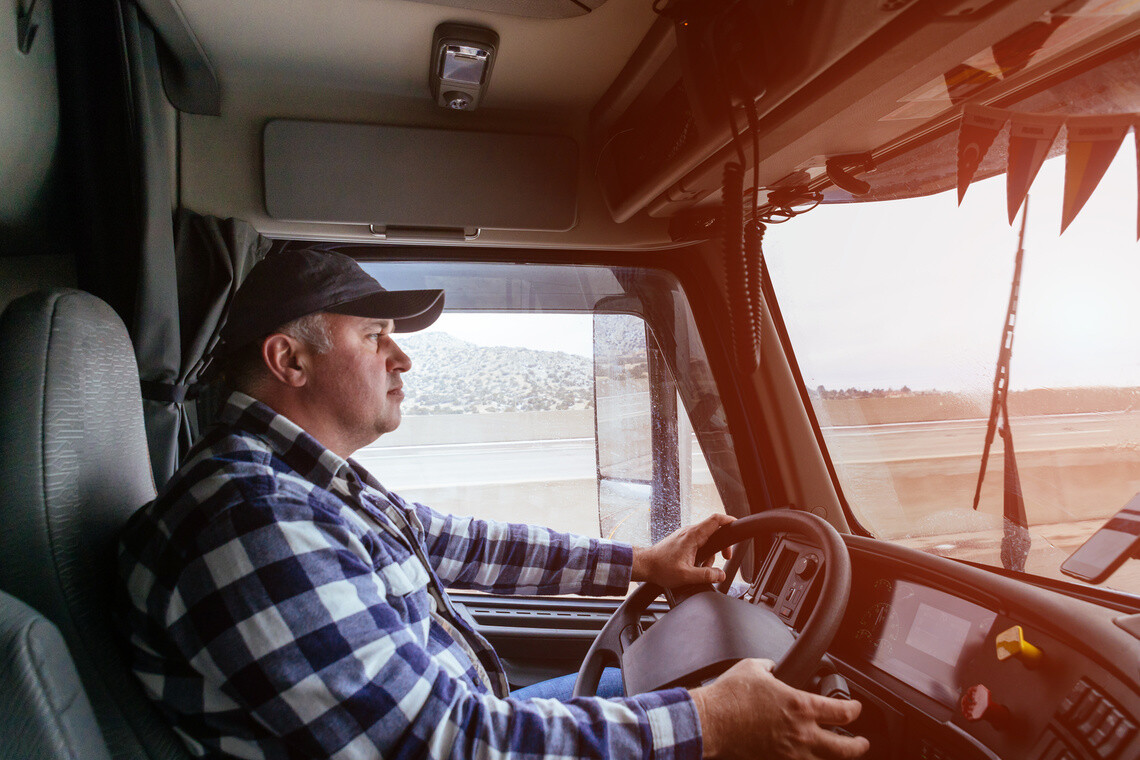
The way a vehicle is driven can have a significant impact on fuel consumption. Frequent stops, sudden acceleration, hard braking and unnecessary idling can all increase fuel use, particularly for urban and last-mile delivery fleets.
Encouraging fuel-efficient driving habits can help reduce wasted fuel and associated emissions. Fleet managers can start with a few simple practices:
• Reduce unnecessary idling: Encourage drivers to turn off engines when appropriate, following vehicle manufacturer guidance and operational requirements.
• Accelerate and brake smoothly: Gradual acceleration and anticipating traffic conditions can help reduce unnecessary fuel consumption.
• Maintain appropriate speeds: Consistent, safe speeds can support fuel efficiency, particularly on highways and regional routes.
• Plan efficient routes: Reviewing delivery schedules, traffic patterns and unnecessary mileage can help reduce fuel use without compromising service.
Driver training and regular reminders can help make these habits part of everyday operations. Even small changes in how vehicles are operated can contribute to better fuel efficiency over time.
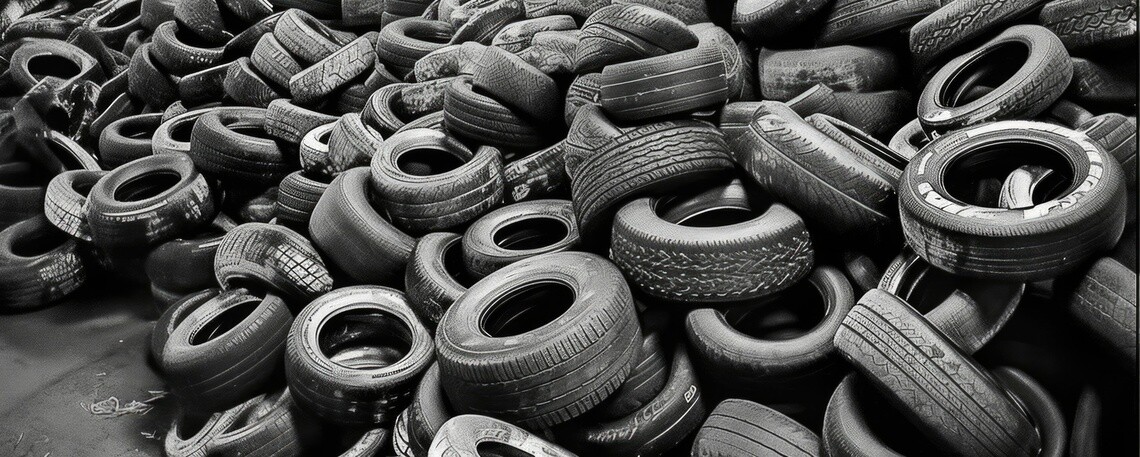
Retreading gives eligible commercial tires a second life by replacing worn tread while reusing the existing tire casing. This helps reduce the need for new tires, conserves raw materials and can lower tire replacement costs.
For fleets that use retreadable tires, the benefits can include:
• Less material waste: Reusing a tire casing reduces the amount of new material needed compared to manufacturing a new tire.
• Longer tire life: A quality casing may be retreaded multiple times, depending on its condition, application and inspection results.
• Lower tire costs: Retreading can offer a more economical alternative to purchasing new tires while maintaining reliable performance when properly selected and maintained.
Not every commercial tire is suitable for retreading, particularly across different vehicle types and applications. Fleet managers should work with their tire provider to determine which tires are eligible and whether retreading makes sense for their operations.
Making your fleet more sustainable starts with understanding how your vehicles perform today. Tracking a few key measurements can help you identify opportunities to reduce fuel consumption, extend tire life and limit unnecessary waste.
Consider monitoring:
• Fuel consumption: Track fuel used per mile or per vehicle to identify trends and opportunities to improve efficiency.
• Tire performance: Monitor tire mileage, replacement frequency and maintenance records to understand how long your tires are lasting.
• Vehicle idling: Review idle time to identify opportunities to reduce unnecessary fuel consumption, particularly for urban and delivery fleets.
• Maintenance trends: Keep records of preventive maintenance and repairs to identify recurring issues that may affect vehicle efficiency.
You don't need to track everything at once. Start with the information you already have, establish a baseline and review your results regularly. As you identify opportunities for improvement, you can set realistic goals and measure progress over time.
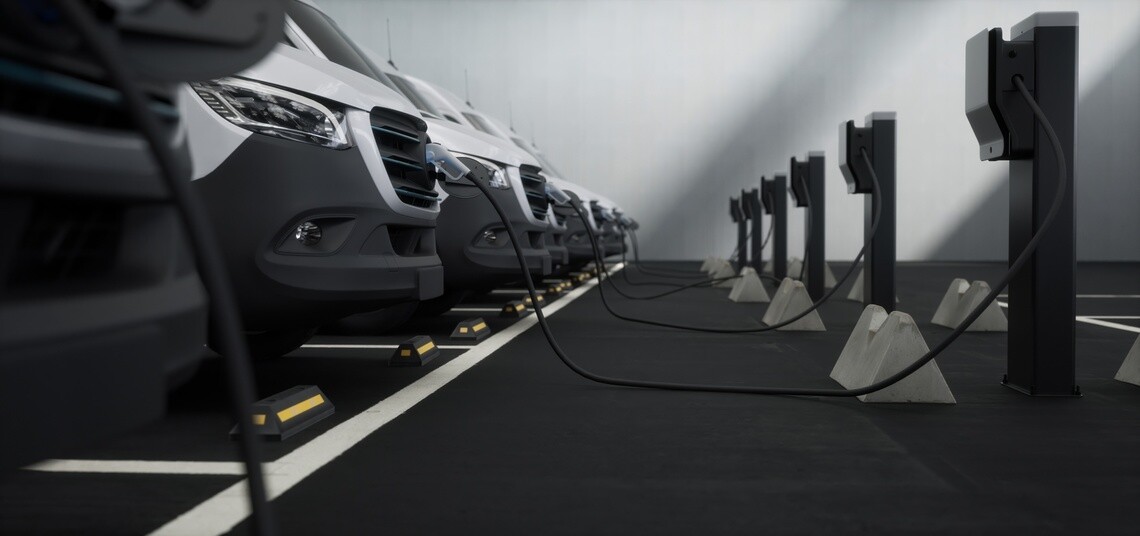
Beyond tire maintenance and fuel efficiency, electrification is another option fleet managers may consider as they plan for the future. The right approach depends on your vehicles, routes and operational needs. Explore Michelin's white paper for additional insights into fleet sustainability, including the opportunities and challenges of transitioning to electric vehicles.
You are using and outdated Web Browser.
You are using a browser that is not supported by this website. This means that some functionality may not work as intended. This may result in strange behaviors when browsing round.
Use or upgrade/install one of the following browsers to take full advantage of this website