Finalize my selection 0

You have not selected a product

Motor coach on empty highway with clouds and blue sky overhead

Motor Coach driving on highway


MICHELIN FLEET SOLUTIONS:

A Smarter Way to Manage Fleet Tire Costs and Uptime

Denim-textured dark blue solid color with a light tint in the bottom left corner

blue texture background

What is Michelin Fleet Solutions?

Managing tires is rarely the goal for your business, but it directly impacts cost, uptime, and operational risk. For many fleets, tire management becomes a reactive cycle of breakdowns, emergency replacements, and unpredictable expenses.

Michelin Fleet Solutions takes a different approach through a Tires as a Service model designed to help fleets move from reactive tire management to a more predictable, service-driven operating strategy. Instead of managing tires internally, fleets gain structured support designed around uptime, maintenance, and cost control.

With Michelin Fleet Solutions, tires transform from a variable cost and operational burden into a predictable, managed part of your business.


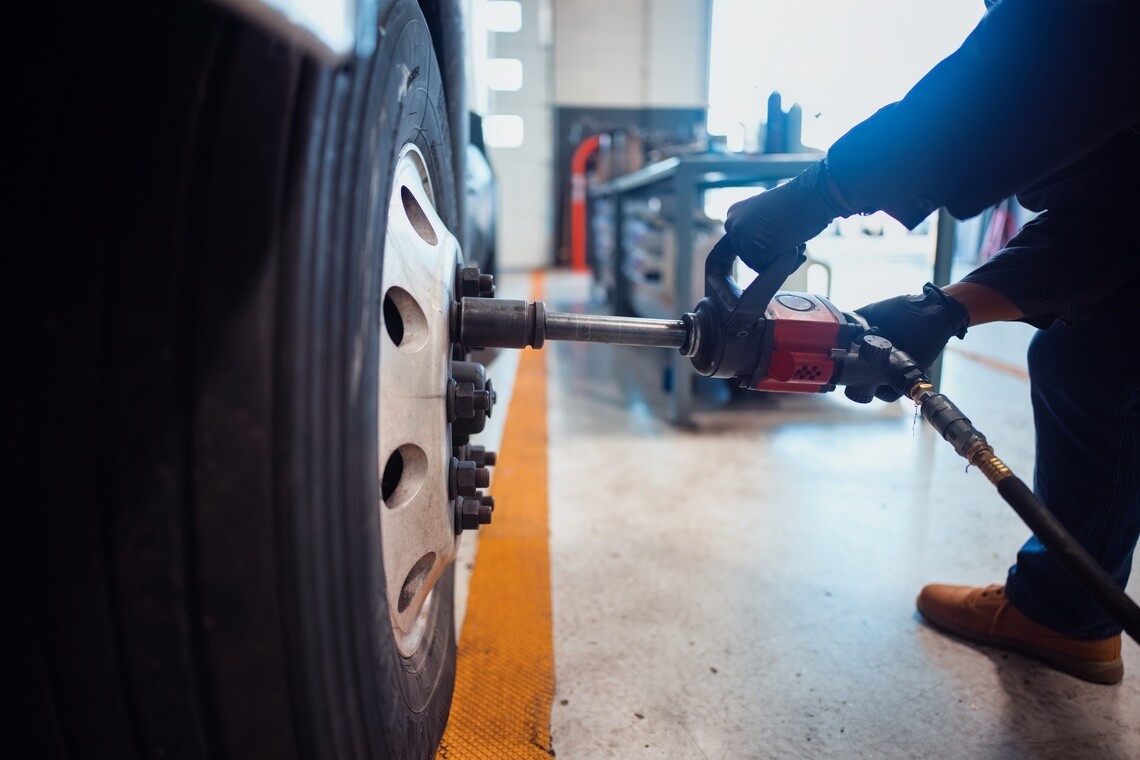
Technician performing proactive tire maintenance on a commercial fleet vehicle as part of Michelin Fleet Solutions Tires as a Service program

Tires as a Service, Backed by Michelin Fleet Solutions

A Proactive, Managed Approach

Blue commercial tire icon

tire icon

RIGHT TIRE FOR THE JOB

Tire selection based on your routes, loads, and application

Blue icon of clipboard with list of 3 items all checked off

assessment icon

PROACTIVE MAINTENANCE

Scheduled inspections, proper inflation, rotations, and ongoing care

cycle of repair and replace icon before failure

replace icon

REPLACE BEFORE FAILURE

We monitor and replace tires before they become a problem

blue mobile phone icon with a headset in the middle

support icon

SUPPORT WHEN YOU NEED IT

24/7 roadside assistance through our nationwide service network

Solid Michelin dark blue box

dark blue background

The Result for Your Fleet

Solid Michelin dark blue box

dark blue background

Improved Uptime

Reduce unplanned tire-related disruptions.

Predictable Costs

Move toward a more structured cost model.

Less Internal Workload

Reduce maintenance coordination demands.

Better Lifecycle Visibility

Gain clearer insight into tire performance.

Tire Strategy Impacts More Than Tire Costs

Operational Risks of Reactive Tire Management

Tires are often treated as a commodity – but in practice, they influence far more than replacement schedules.

For many fleets, tire performance affects delivery reliability, maintenance workload, compliance exposure, fuel efficiency, and total operating costs across the business.

The challenge is not just the tire itself. It’s how tire performance is managed over time.

Many fleets still operate reactively, responding to failures, handling emergency service events, and absorbing unpredictable expenses as they occur.

Michelin Fleet Solutions takes a more proactive approach through a Tires as a Service model designed to help fleets improve visibility, stabilize operations, and reduce disruption across the tire lifecycle.

Unplanned Tire
Failures

Unexpected issues can disrupt routes and reduce vehicle availability.

Inconsistent Tire
Wear

Without proactive monitoring, wear patterns can shorten tire life and affect performance.

Emergency Roadside Events

Reactive service calls can increase operational complexity and downtime.

Unpredictable Tire Expenses

Emergency replacements and reactive maintenance can create cost variability.

What This Means for Your Fleet

Cost Control
Uptime
Operational Efficiency

Move toward a more predictable cost structure

Reduce unplanned roadside disruptions

Reduce internal tire management workload

Reduce emergency replacement events

Improve service responsiveness across routes

Simplify vendor and service coordination

Support longer-term tire lifecycle value

Support more consistent fleet availability

Allow teams to focus on core operations

Explore by Fleet Operation

Food & Beverage Fleets: Why Tire Failures Carry Higher Risk

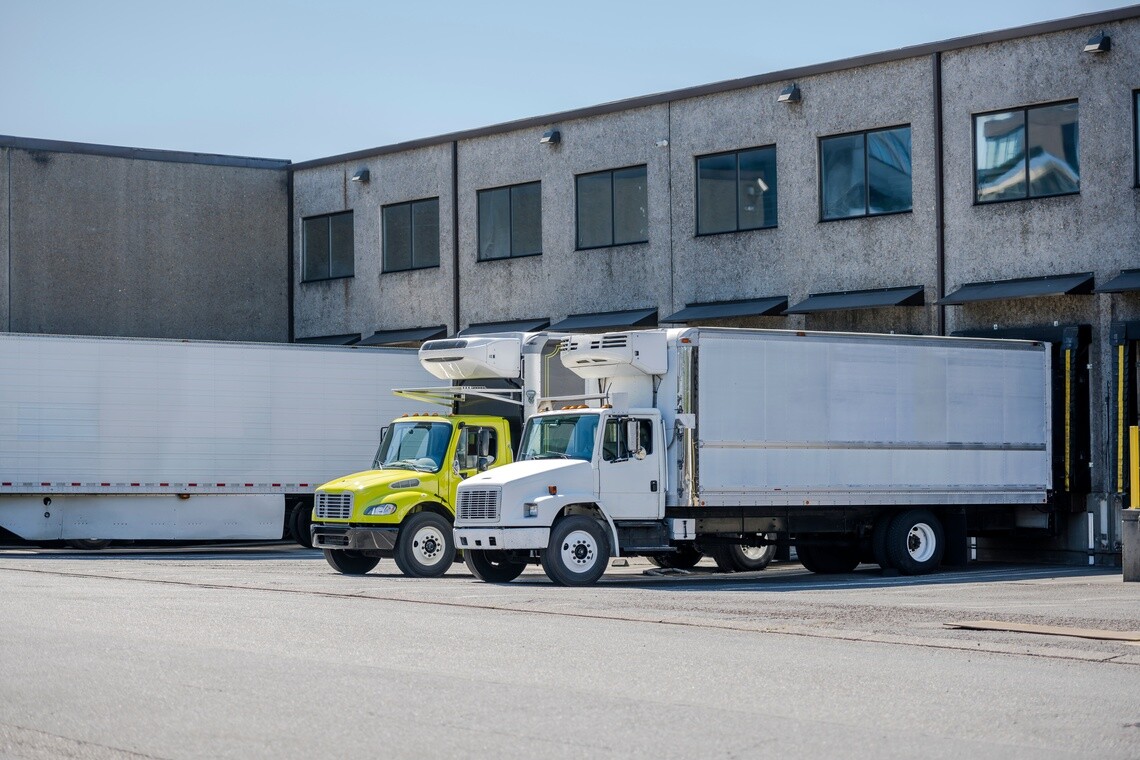
Refrigerated delivery trucks parked at a food and beverage distribution center loading dock, representing fleet operations, route delivery, and cold chain logistics management.

Food & Beverage Delivery Fleet at Distribution Facility

Industrial middle rig day cab semi trucks tractors with refrigerated box trailers standing in warehouse dock parking lot waiting for start off the next freight according to the schedule

Food & beverage operations run on tight delivery windows, high route density, and strict service expectations.

A single tire issue can disrupt more than one stop; it can impact an entire route.

For food and beverage fleets, the operational impact extends beyond tire replacement costs. Based on fleet challenges:

  • Missed delivery windows can lead to penalties or lost shelf space
  • Spoilage risk increases with delays
  • Urban routes increase wear and damage exposure
  • Brand visibility makes roadside events highly visible


These challenges are not isolated, they compound throughout the day.

Common Tire Management Challenges

Many food & beverage fleets still operate in a reactive tire management model that increases operational variability and service disruption risk.

Reactive
Maintenance

Limited internal bandwidth can force teams into a failure-response cycle instead of proactive tire management.

Inconsistent Tire Performance

Mixed routes, stop frequency, and urban driving conditions can accelerate uneven wear and reduce predictability.

Emergency Replacement Costs

Unexpected roadside events and reactive replacements often create premium service and labor costs.

Limited Cost
Visibility

Without centralized tracking, many fleets struggle to understand true tire cost-per-mile trends.

Solid Michelin dark blue box

dark blue background

The Operational Impact

Solid Michelin dark blue box

dark blue background

Higher Operating Volatility

Recurring tire issues can disrupt routes and daily operations.

Increased Downtime Risk

Unexpected failures may reduce route reliability and vehicle availability.

Greater Maintenance Strain

Reactive service demands can pull focus from core fleet operations.

How Michelin Fleet Solutions Supports Food & Beverage Fleets

Michelin Fleet Solutions helps food & beverage fleets move from reactive tire management to a more proactive, service-driven operating model designed around uptime, consistency, and cost control.

Protect Delivery Uptime

   •  Proactive inspections and maintenance
   •  Issues addressed before route disruption
   •  Roadside support to limit disruption

Stabilize Operating Costs

   •  More predictable operating costs
   •  Reduced emergency replacement costs
   •  Clearer cost-per-mile visibility

Reduce Operational Strain

   •  Less maintenance coordination
   •  Reduced vendor management complexity
   •  More focus on delivery operations

Reduce Operational Exposure

   •  Fewer emergency roadside tire events
   •  Support for inspection readiness
   •  Lower out-of-service risk

Ready to Improve Tire Performance Across Your Food & Beverage Fleet?

Talk with Michelin Fleet Solutions about a tire management approach designed to support uptime, reduce operational disruption, and stabilize fleet operating costs.


Explore Solutions for Other Fleet Types
 

Motor Coach Fleets: When Passenger Safety and Uptime Are Non-Negotiable

Row of white motor coach buses facing right

Row of Motor Coach buses parked

Motor coach fleets operate under a different level of operational visibility and service expectation.

Every delay or roadside event can impact:

  • Passenger experience
  • Scheduling reliability
  • Brand trust


Unlike many commercial fleet operations, motor coach fleets operate in highly visible, passenger-facing environments where downtime can quickly affect customer satisfaction, route continuity, and service reputation.

A single tire issue may disrupt far more than a vehicle – it can interrupt schedules, delay passengers, and create operational strain across the network.

Common Tire Management Challenges

Motor coach fleets operate in high-visibility environments where tire performance directly affects passenger experience, schedule reliability, and operational continuity.

High-Speed Tire
Wear

Extended highway driving and long-distance routes can accelerate wear and reduce tire predictability over time.

Heat & Performance Stress

Long operating hours and highway conditions can increase heat buildup and cause additional tire stress.

Passenger Safety Expectations

Passenger-facing operations require consistent tire performance and strong maintenance practices.

Schedule Disruption Risk

Unexpected tire events can disrupt routes, delay passengers, and affect overall service reliability.

Solid Michelin dark blue box

dark blue background

The Operational Impact

Solid Michelin dark blue box

dark blue background

Reduced Schedule Reliability

Roadside tire events can affect trip timing and service continuity.

Increased Service Disruption

Unexpected downtime may impact passengers, routes, and fleet availability.

Greater Operational Pressure

Reactive maintenance can increase coordination strain across teams.

How Michelin Fleet Solutions Supports Coach Fleets

Michelin Fleet Solutions helps coach fleets move from reactive tire management to a more proactive, service-driven model designed around uptime, passenger experience, and operational consistency.

Support Consistent Performance

   •  Proactive maintenance supports tire reliability
   •  Issues addressed before route disruption
   •  Support designed around uptime continuity

Optimize Tire Selection

   •  Tire selection aligned to route conditions
   •  Support for long-distance operating demands
   •  Solutions designed around fleet application needs

Access Nationwide Support

   •  Service access across routes and operating regions
   •  Roadside support to help limit disruption
   •  Coordinated support when issues occur

Improve Cost Predictability

   •  More structured tire operating costs
   •  Better planning for maintenance spend
   •  Clearer operational cost visibility

Ready to Improve Reliability Across Your Coach Fleet?

Talk with Michelin Fleet Solutions about a proactive tire management approach designed to support uptime, passenger experience, and operational consistency across your routes.


Looking for a broader overview of Michelin Fleet Solutions programs, services, and capabilities?
Explore the main Michelin Fleet Solutions page.

Traditional Tire Management vs. Michelin Fleet Solutions

Factor

Traditional Model

Michelin Fleet Solutions

Cost Structure

Unpredictable

Predictable, structured

Maintenance

Reactive

Proactive

Downtime Risk

Higher (failure-driven)

Reduced (preventive focus)

Internal Workload

High

Reduced

Cost Visibility

Limited

Consolidated + trackable

Lifecycle Management

Inconsistent

Managed end-to-end

Is Michelin Fleet Solutions the Right Fit?

Strong Fit

  • High route density or tight scheduling demands
  • Limited internal maintenance resources
  • Frequent roadside events or downtime concerns
  • Need for more predictable operating costs
  • Fleets seeking greater lifecycle visibility
     

Less Critical

  • Smaller fleets with low utilization
  • Fleets with highly mature in-house tire programs
  • Operations with minimal downtime sensitivity

Key Operational Tradeoff

Michelin Fleet Solutions shifts tire management from a reactive internal responsibility to a more structured service partnership focused on uptime, predictability, and lifecycle oversight.

thick dark blue denim textured background

thick dark blue denim textured background

Let’s Build a More Predictable Tire Strategy


Request Consultation

Tell us about your fleet, routes, and operational challenges. Our team can help you evaluate whether Michelin Fleet Solutions aligns with your maintenance, uptime, and cost management goals.
common.error.invalidField:This field is invalid
Want to opt-in to text messaging?
common.error.invalidField:This field is invalid

You are using and outdated Web Browser.

You are using a browser that is not supported by this website. This means that some functionality may not work as intended. This may result in strange behaviors when browsing round.

Use or upgrade/install one of the following browsers to take full advantage of this website

Firefox 78+
Edge 18+
Chrome 72+
Safari 12+
Opera 71+