Tractor in a field
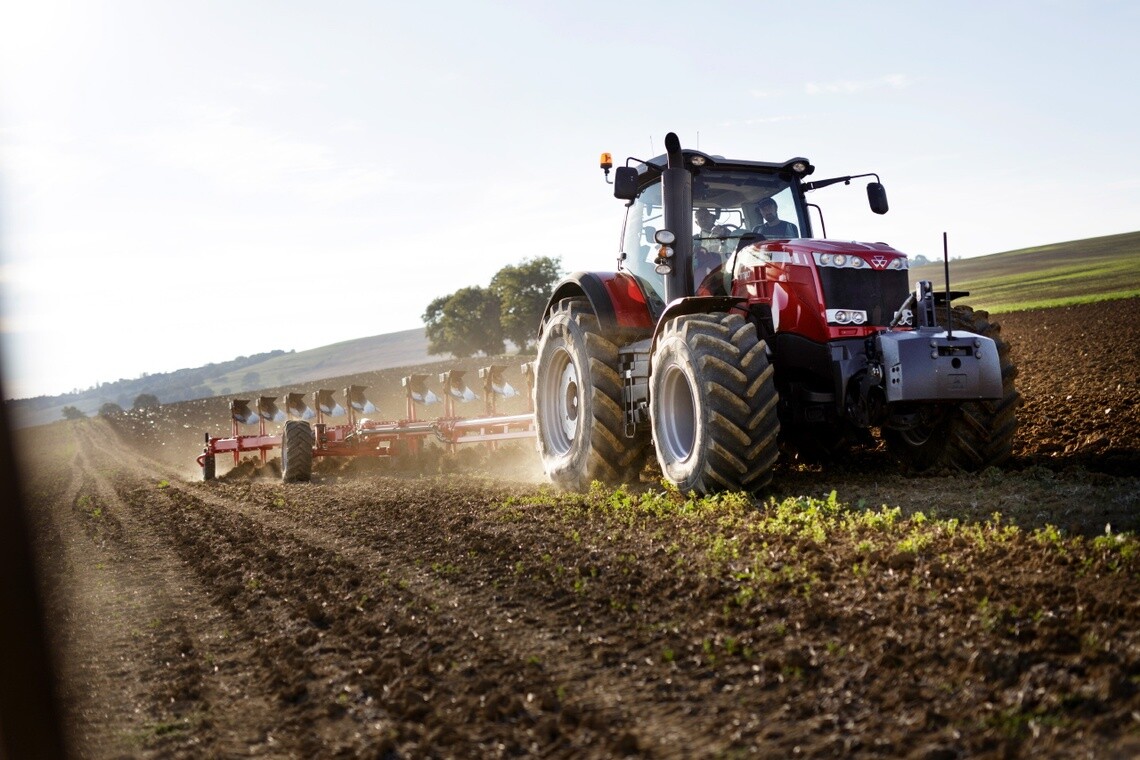
Tractor in a field
But alongside the urgency of planting season comes the pressure to manage rising costs, tight margins, and shrinking commodity prices. With grain prices at multi-year lows and crop prices struggling to keep up with rising input costs, farm profitability is harder to protect than ever.
Whether you're running a large-scale commercial operation or a mid-sized family farm, keeping expenses under control is mission-critical this time of year.
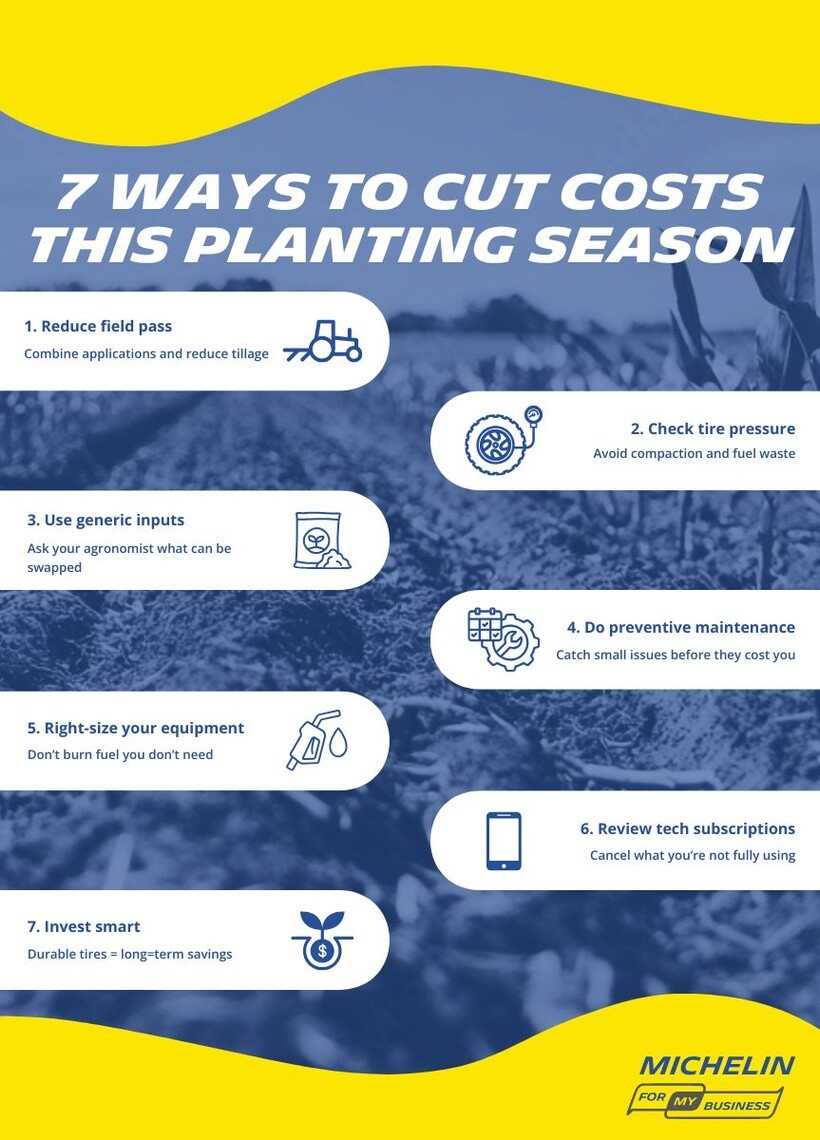
Fortunately, small decisions can add up to big savings. From fuel and tires to inputs and equipment efficiency, here are seven smart ways to cut costs and protect your profitability during planting season.
Every pass across the field costs you—in fuel, labor, time, and equipment wear. According to a recent AgWeb survey, over 60% of farmers say they plan to reduce tillage or cut back on field passes this season to save money.
Try this:
Tires may seem like a small detail, but the wrong pressure or worn tread can lead to slippage, compaction, and fuel waste—especially with the demands of planting season.
How Michelin can help:
Pro tip: Use the free Michelin Agropressure app to find your ideal inflation pressure based on your specific implement, load, and field conditions. It’s one of the easiest ways to save fuel, reduce wear, and get better traction—all with a few taps on your phone.
Did you know? A tire that’s underinflated by just 6 psi can reduce fuel efficiency by up to 3%.
With fertilizer, chemical, and seed prices fluctuating, more farmers are looking at generic products to keep expenses in check. That same AgWeb survey showed many plan to switch to generics for crop protection this year.
Generic herbicides or pesticides may help manage costs of production without sacrificing yield—especially when crop prices are uncertain. If your agronomist approves, this can be a great way to control costs—just make sure you evaluate based on cost per acre, not just price per gallon or jug.
Planting windows are tight. A breakdown at the wrong time can mean costly delays and missed yield potential. That’s why pre-season maintenance isn’t just a chore—it’s a money-saver.
Quick wins:
Oversized machines may look impressive—but if you're using more horsepower than necessary, you’re probably burning extra fuel and increasing compaction. Undersized equipment? That can waste time and labor.
Evaluate your fleet for:
Not sure? Your equipment dealer or agronomist can help you dial in the best setup.
Precision ag tools are valuable—but only if you're using them consistently. If you’re paying for multiple platforms or tools you rarely touch, it might be time to consolidate or downgrade.
Ask:
Every subscription you can trim is money saved.
Cutting costs doesn’t mean avoiding smart investments. Some of the best ROI comes from choosing tools and equipment that reduce future expenses.
That includes:
Michelin tires are engineered with ROI in mind—giving farmers traction, longevity, and uptime when it matters most.
Planting season moves fast—and so does your margin.
The most successful operations this year won’t just focus on yield. They’ll look at every cost, every pass, and every piece of equipment through a profitability lens.
From optimizing tire pressure with tools like Michelin Agropressure to reducing tillage, combining field passes, and reviewing your inputs and tech tools—there are dozens of ways to save without sacrificing performance.
And in a year where every dollar matters, that kind of efficiency can make all the difference.
You are using and outdated Web Browser.
You are using a browser that is not supported by this website. This means that some functionality may not work as intended. This may result in strange behaviors when browsing round.
Use or upgrade/install one of the following browsers to take full advantage of this website