blue gradient background
Michelin Tread Technologies: Designed for Traction, Durability and Efficiency
Michelin tread technologies are designed to support traction, tire longevity and performance across a range of applications. From construction and agriculture to commercial trucking, innovations in tread design help address challenges such as grip, wear resistance and operating efficiency.
gray gradient
Tread Technologies at a Glance
Explore Michelin tread technologies, their key benefits and the applications they support. Select a technology below to learn more and discover Michelin tires featuring that innovation.
Technology | Primary Benefit | Ideal Applications |
Designed to increase surface contact and support traction | Hard surfaces and off-road applications | |
Helps improve grip in wet and snowy conditions | Wet, snowy and variable road conditions | |
Helps maintain traction as the tire wears | Long-haul and regional trucking | |
Helps protect tires against crop stubble damage | Agricultural equipment operating in harvested fields |
blue textured background
DIAMOND TREAD PATTERN
What Is Michelin Diamond Tread Pattern Technology?
MICHELIN DIAMOND TREAD PATTERN
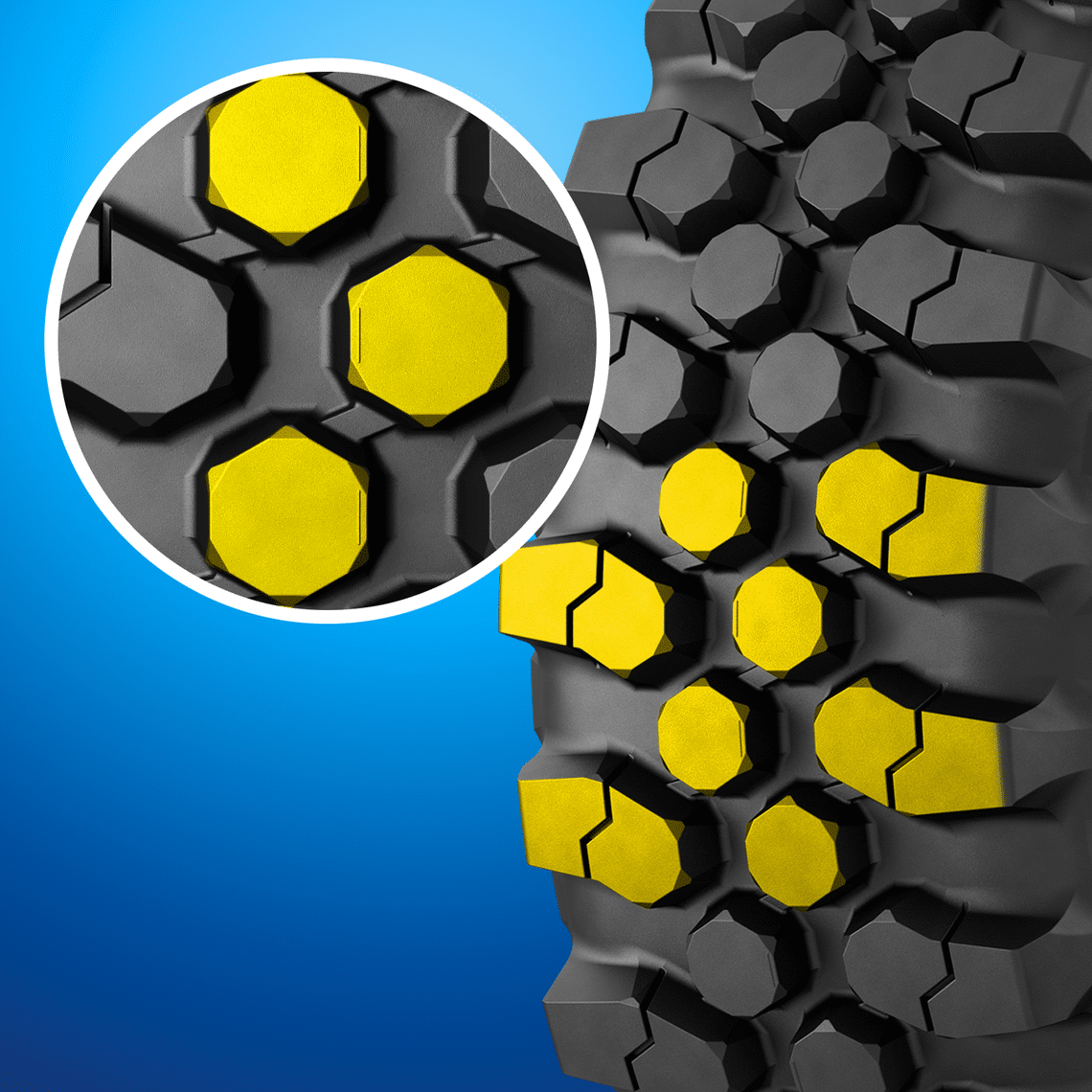
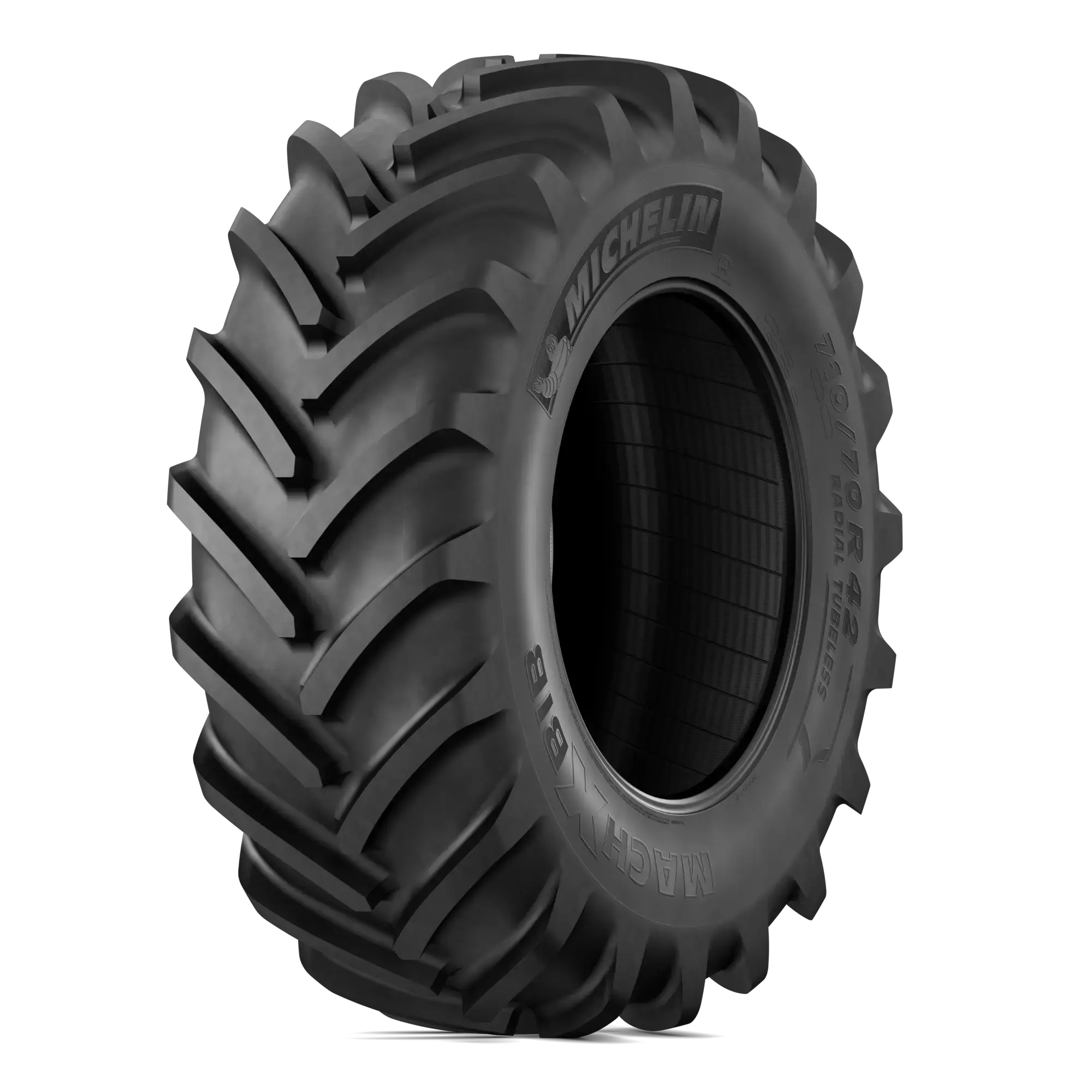
Michelin Diamond Tread Pattern technology uses a distinctive tread design to increase the contact area between the tire and the ground. Designed for demanding off-road applications, including mining, quarrying, construction and material handling, the diamond-shaped tread blocks help provide traction and distribute contact across the tread surface.
What Are the Benefits of Diamond Tread Pattern Technology?
Traction
Michelin's diamond tread pattern is designed to maintain greater contact with hard surfaces. According to Michelin's comparison, 44%(1) of the tread remains in contact with the surface, compared with 29% for a bar tread pattern. This increased contact area helps support traction in demanding operating conditions.
Durability
The diamond tread design helps distribute contact across the tire's tread surface, supporting stability and wear resistance in demanding off-road applications.
blue textured background
MATRIX SIPING
What is Michelin Matrix Siping Technology?
MICHELIN MATRIX SIPING
Michelin Matrix Siping technology uses three-dimensional, interlocking sipes with zigzag walls that help stabilize tread blocks as they contact the road. This design combines additional biting edges for traction in wet and snowy conditions with tread block stability to support even wear and long-lasting performance.
What are the Benefits of Matrix Siping?
Improved Wet and Snow Traction
Matrix sipes create numerous biting edges that help improve tire traction on wet and snow-covered roads. These additional edges support grip in challenging driving conditions.
Long-Lasting Performance
The three-dimensional, interlocking sipes help stabilize tread blocks as they contact the road. This added stability supports more consistent tread wear and helps maintain performance throughout the tire's service life.
blue textured background
REGENION TECHNOLOGY
What is Michelin Regenion Technology?
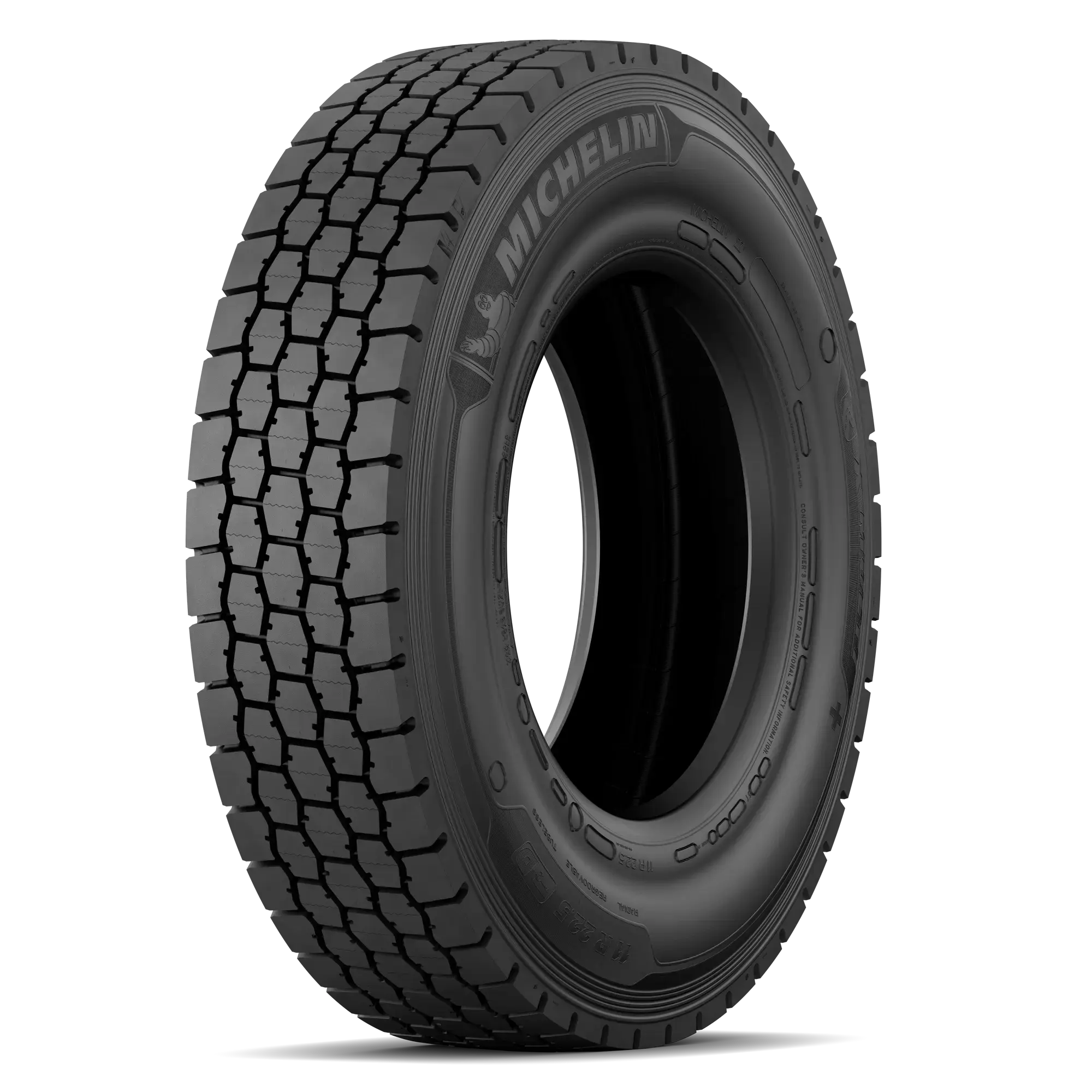
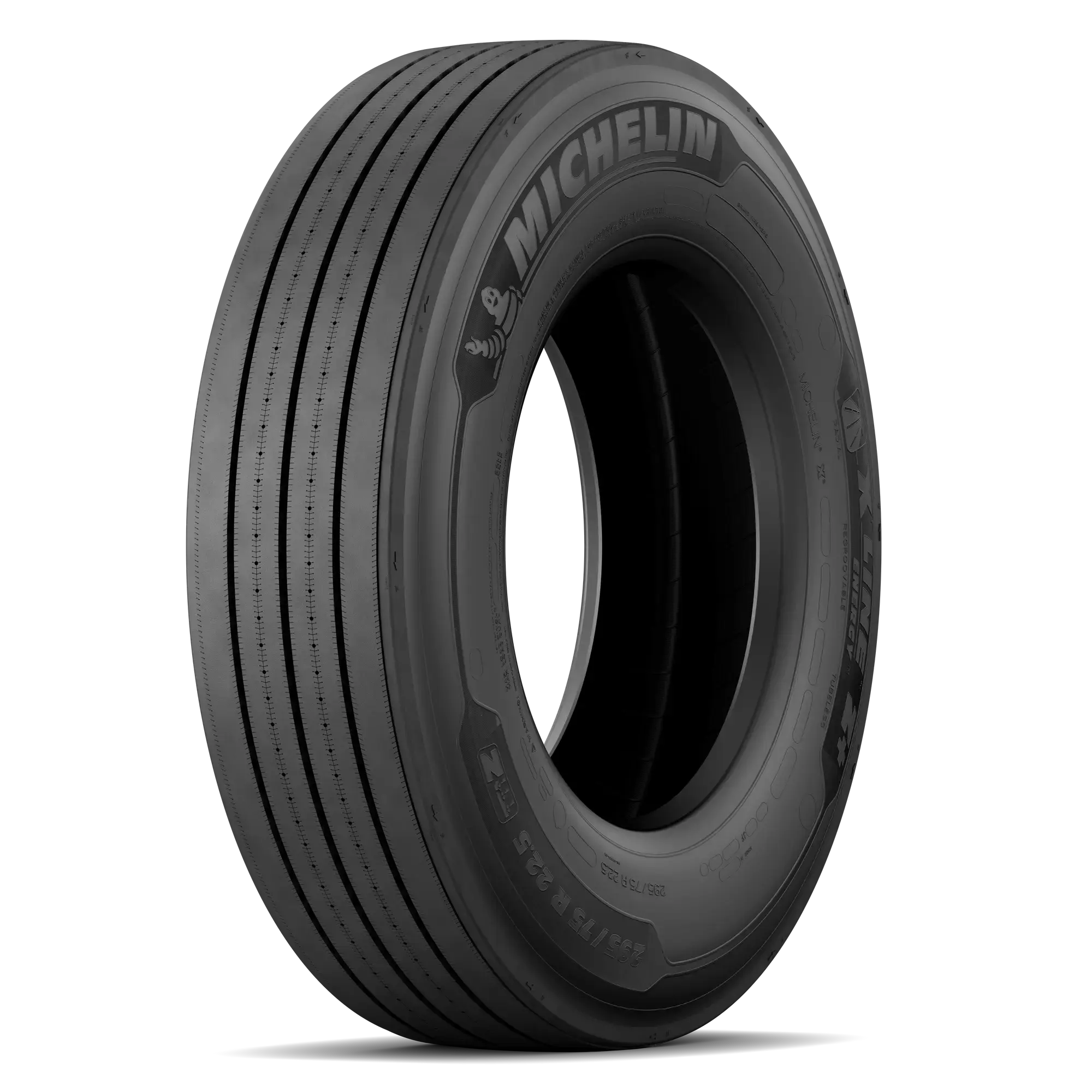
Michelin Regenion technology uses innovative tread designs developed with advanced 3D metal printing techniques to help maintain traction as tires wear. As the tread wears down, hidden grooves gradually emerge, helping preserve grip throughout the tire's service life. The tread design also supports consistent wear, longer mileage and lower rolling resistance.
Did you know? In 2018, the two Michelin engineers behind Regenion technology received the European Inventor Award in the Industry category from the European Patent Office (EPO).
What are the Benefits of Regenion Technology?
Grip Mile After Mile
As the tire wears, new grooves gradually emerge to help maintain traction throughout the tire's service life.
Higher Mileage
Regenion tread designs help promote consistent wear, supporting longer tire life and mileage.
Fuel Efficiency
The tread design helps reduce rolling resistance, which can contribute to improved fuel efficiency.
Michelin Tires Featuring Regenion Technology
blue textured background
STUBBLE SHIELD
What is Michelin Stubble Shield?
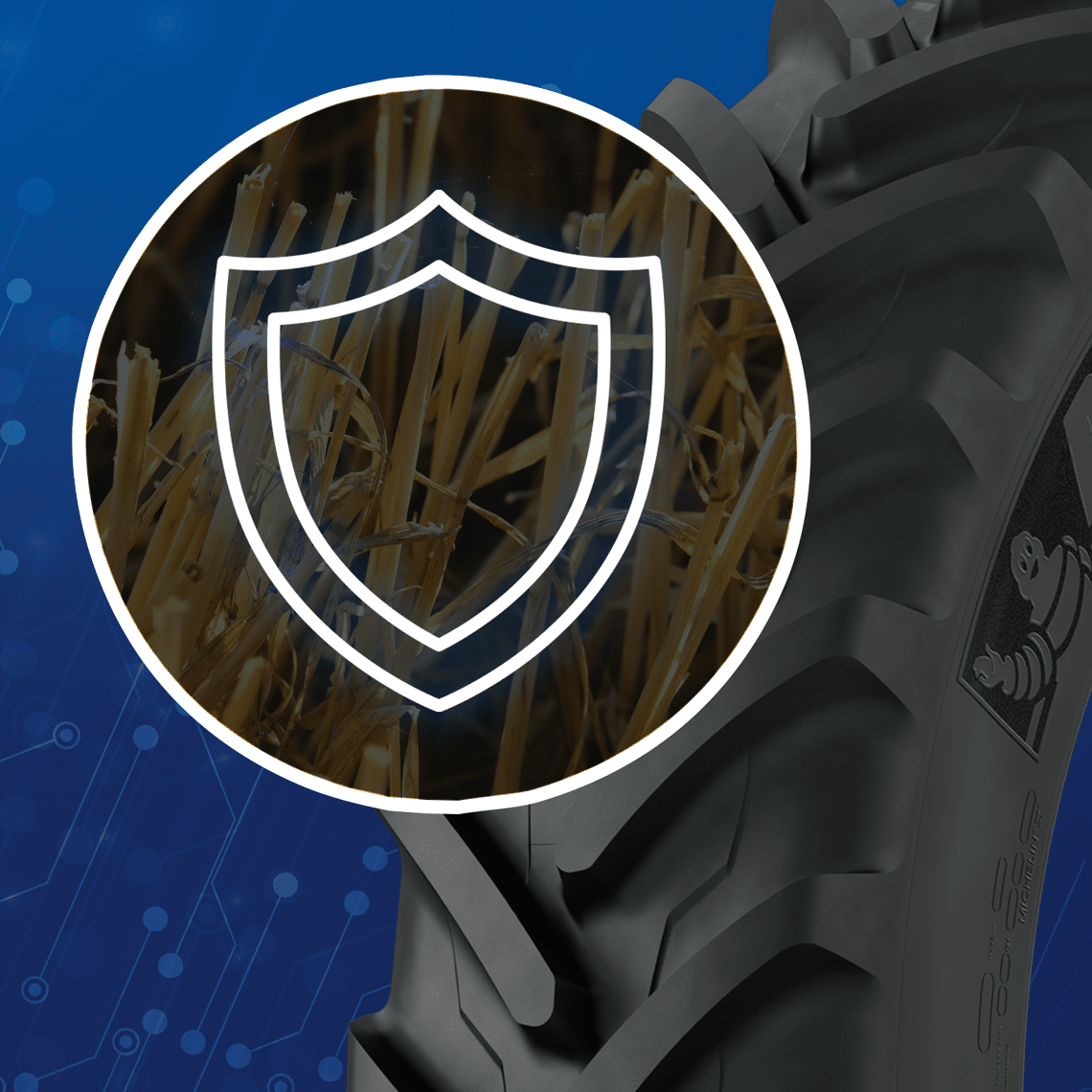
Michelin Stubble Shield technology helps protect agricultural tires from damage caused by crop stubble left in fields after harvest. It combines a protective anti-stubble strip, specially oriented tread lugs that help deflect stubble and durable rubber compounds designed to resist stubble-related damage and support tire life.
Did you know? Michelin agricultural tires equipped with Stubble Shield technology can be identified by a dedicated Stubble Shield pictogram on the tire.
stubble shield pictogram
MICHELIN STUBBLE SHIELD TECHNOLOGY
What are the Benefits of Stubble Shield Technology?
Durability
Stubble Shield technology provides added protection against crop stubble damage, helping reduce tread chipping and support tire durability.
Productivity
By helping protect tires from stubble-related damage, Stubble Shield technology can reduce the risk of tire-related downtime during field operations.
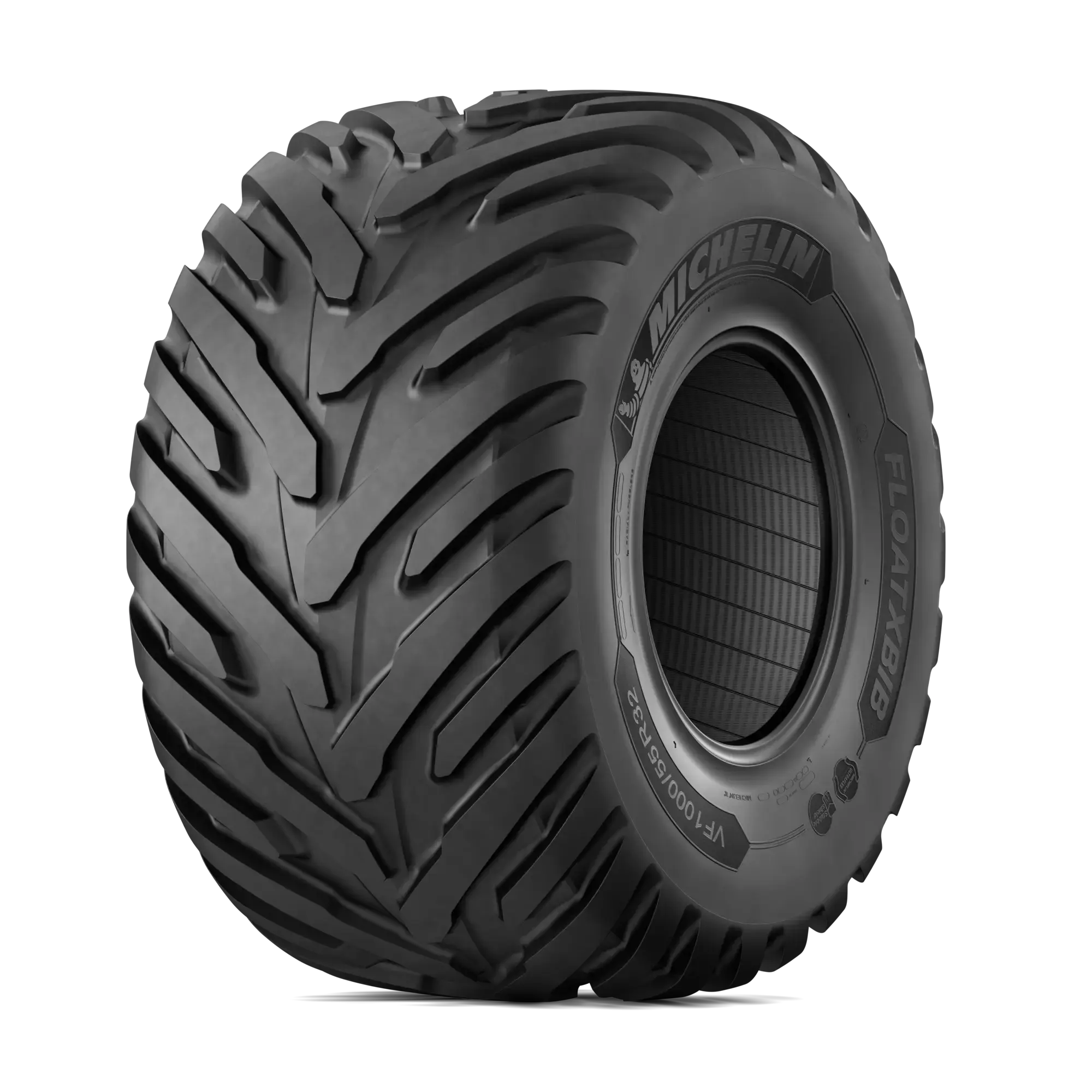
Michelin Tires Featuring Stubble Shield
Want to learn more about how Michelin Stubble Shield technology helps protect agricultural tires from crop stubble damage? Explore its benefits, compatible tires and real-world applications.
Frequently Asked Questions About Michelin Tread Technology
Michelin tread technologies are designed to support traction, durability, tire life and efficiency across different applications. Explore how these technologies work and what they mean for tire performance.
Tread patterns influence how a tire contacts and grips the operating surface. Michelin's Diamond Tread Pattern increases tread contact on hard surfaces, while Matrix Siping creates additional biting edges to help improve traction in wet and snowy conditions.
Siping creates narrow slits in the tread blocks that form additional biting edges for traction. Michelin Matrix Siping uses an interlocking three-dimensional design to help maintain tread block stability while supporting grip in wet and snowy conditions.
Michelin Regenion technology uses evolving tread grooves that emerge as the tire wears, helping maintain traction over time. Its tread design also supports more consistent wear and longer mileage.
Yes. Michelin develops tread technologies for different operating conditions. Diamond Tread Pattern supports traction on hard surfaces, Matrix Siping helps improve wet and snow traction, Regenion is designed for commercial truck applications, and Stubble Shield helps protect agricultural tires from crop stubble damage.
Certain Michelin tread technologies, including Regenion, use tread designs engineered to help reduce rolling resistance. Lower rolling resistance can contribute to improved fuel efficiency, depending on the tire, vehicle and operating conditions.
Want to know more about other Michelin technologies?
(1)MICHELIN Test and Research Center (Ladoux)