
Refueling an Agricultural Tractor
How to Reduce Tractor Fuel Consumption
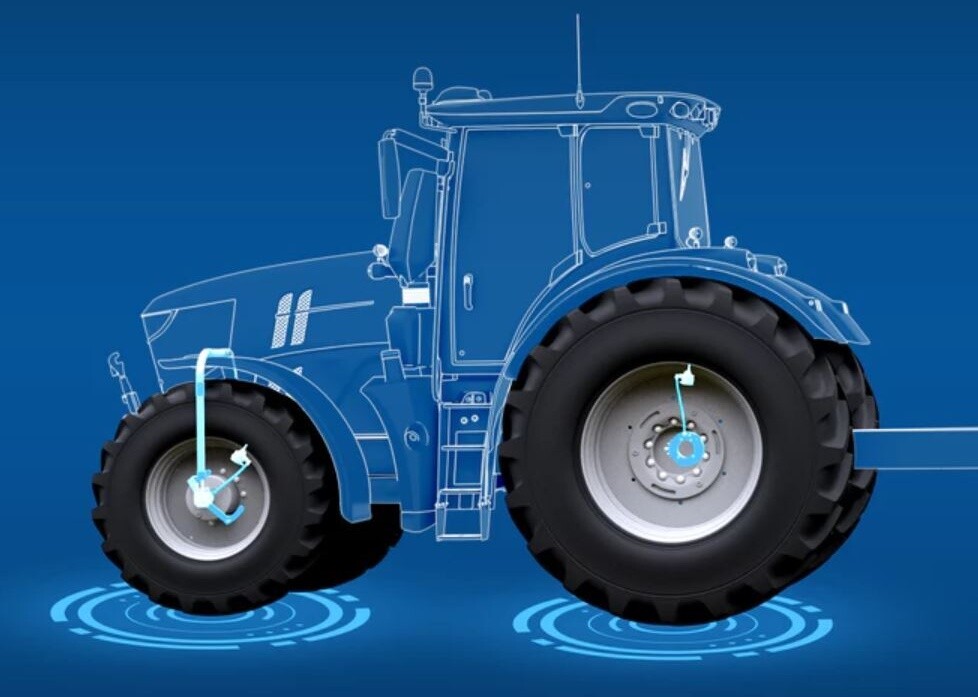
you can easily adjust your pressures with a ctis for optimized fuel consumption
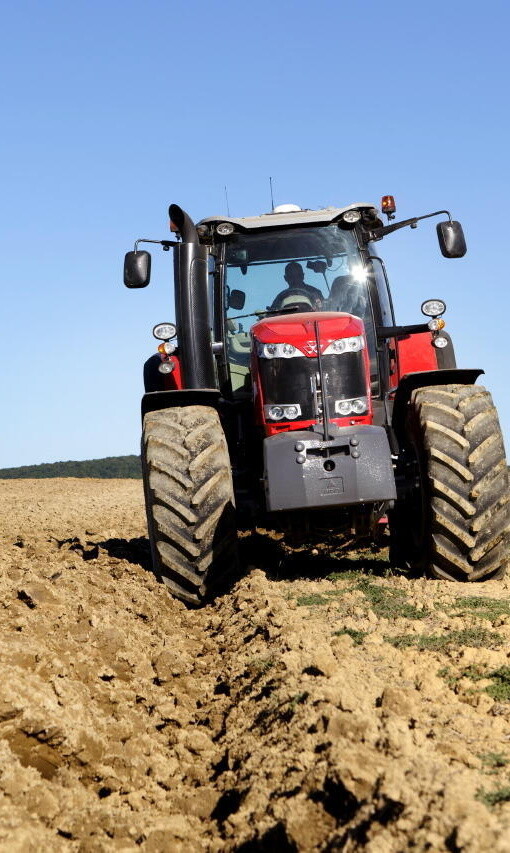
Tractor Working in a Field
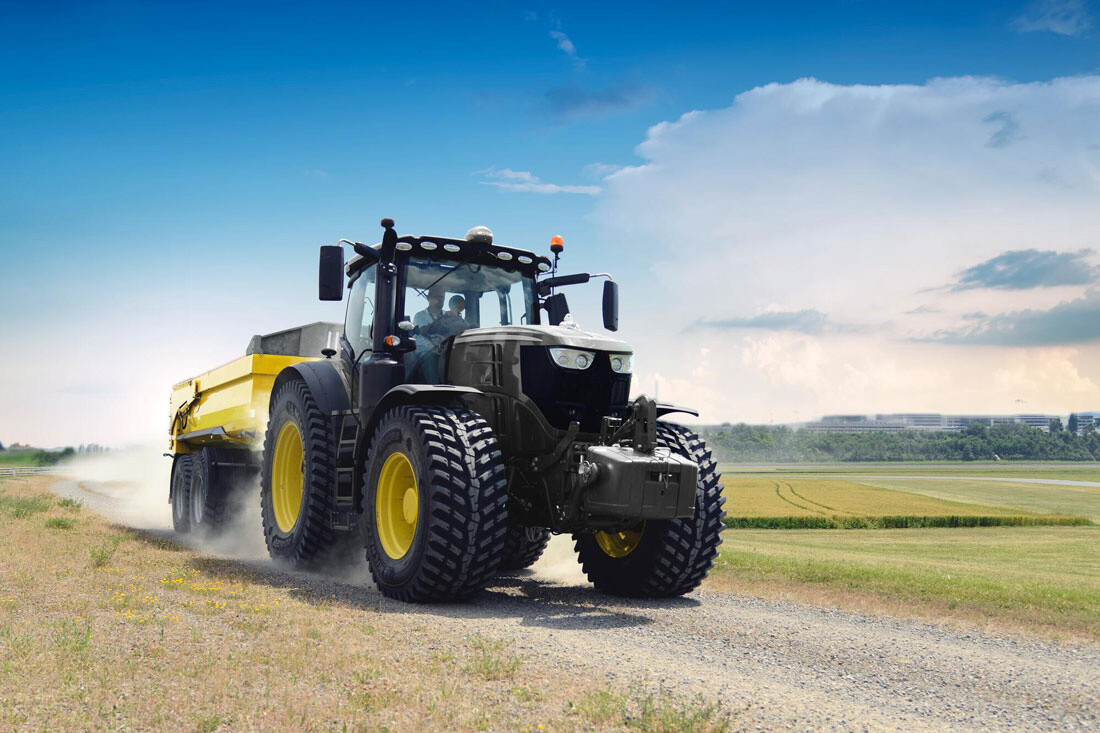
Tractor Traveling on a Rural Road
Refueling an Agricultural Tractor
Fuel is a significant operating cost for agricultural equipment, making fuel efficiency an important part of managing your operation.
Tractor setup, tire pressure and operating conditions can all affect fuel consumption. Understanding how these factors work together can help you use fuel more efficiently in the field and on the road.
Several factors can affect tractor fuel consumption during fieldwork, including tire pressure, wheel slip and changing operating conditions.
Proper tire pressure can help improve traction and reduce wheel slip in the field. When tire pressure is adjusted for the load and speed, the tire can achieve an appropriate footprint to transfer power to the ground efficiently.
Excessive wheel slip wastes energy and can increase fuel consumption. Check tire pressure regularly and adjust it according to your tractor's load, speed and operating conditions.
Use Michelin AGROPRESSURE to determine the recommended tire pressure for your tractor and equipment configuration.
Tire pressure requirements can change as a tractor moves between fieldwork and road travel. A Central Tire Inflation System (CTIS) allows you to adjust tire pressure from the tractor cab as operating conditions change.
This makes it easier to use the appropriate tire pressure for field and road conditions, helping optimize traction and fuel consumption.
you can easily adjust your pressures with a ctis for optimized fuel consumption
Proper weight distribution can help improve traction and reduce unnecessary fuel consumption. Tractor ballast should be appropriate for the tractor, implement and work being performed.
If additional ballast is needed, weight can be added to help achieve the appropriate balance and improve traction.
Learn more about tractor tire ballasting in our Liquid Ballasting of Tractor Tires guide.
Tire wear can affect traction in the field. As tread wears, reduced traction can contribute to increased wheel slip and inefficient power transfer to the ground.
Inspect your tractor tires regularly for wear and replace them when necessary to help maintain traction and efficient performance.
Learn more about when tire replacement may be needed in our When Should You Replace Your Tractor Tires? guide.
Tractor Working in a Field
Tire pressure requirements can change when transitioning from fieldwork to road travel. Using the appropriate tire pressure for the tractor's load, speed and operating conditions can help reduce rolling resistance and improve fuel efficiency on the road.
If your tractor regularly transitions between the field and road, a Central Tire Inflation System (CTIS) can make it easier to adjust tire pressure for changing conditions.
Tractor Traveling on a Rural Road
Driving speed can affect tractor fuel consumption during road travel. Higher speeds can require more fuel, so operating at an appropriate speed for the road, load and equipment can help reduce fuel use.
When conditions allow, reducing your road speed can contribute to fuel savings over time.
Choosing a tractor tire suited to where and how you work can help support efficient performance. Consider how much time your tractor spends in the field versus on the road when selecting a tire.
If your tractor spends most of its time in the field, including challenging conditions, consider Michelin AXIOBIB 2 for field traction and performance.
If your tractor spends approximately 80% of its time on the road and 20% in the field under less demanding conditions, consider Michelin ROADBIB.
If your tractor operates both on the road and in the field, consider Michelin EVOBIB for a balance of road and field performance.
Learn more about agriculture tire care, maintenance and performance with these Michelin resources:
Find more Michelin resources, guidance and tire solutions for farm operations.
You are using and outdated Web Browser.
You are using a browser that is not supported by this website. This means that some functionality may not work as intended. This may result in strange behaviors when browsing round.
Use or upgrade/install one of the following browsers to take full advantage of this website


