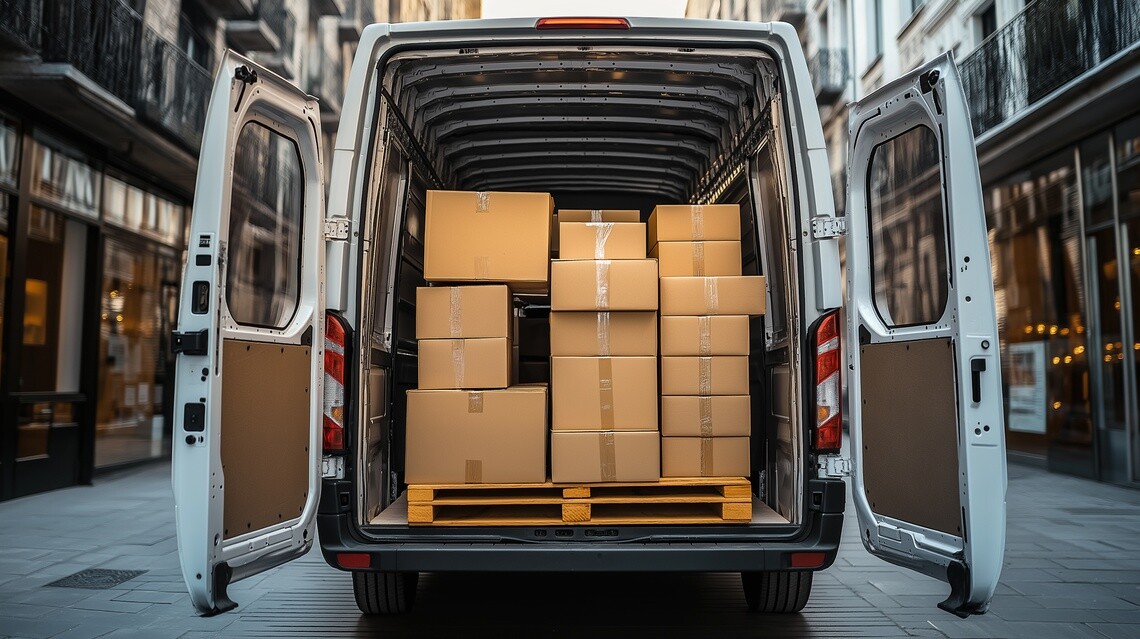
Delivery van loaded with packages
Online Shopping's Impact on the Trucking Industry
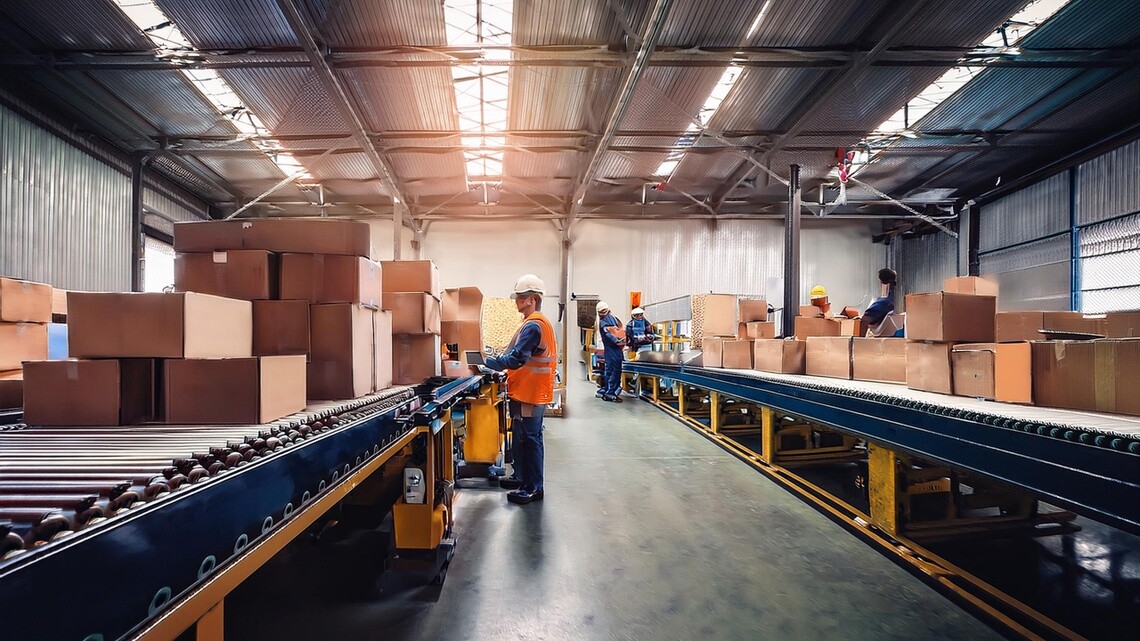
warehouse with packages
Delivery van loaded with packages
In This Article
Online shopping has transformed the retail landscape, transforming freight logistics in the process.
The trucking industry, in particular, is feeling the impact. The surge in e-commerce has led to an increased demand for delivery services, altering the dynamics of freight transportation.
This article will delve into the intricacies of this transformation. We'll explore the shift from bulk freight to individual parcel delivery, the challenges of last-mile delivery, and the role of technology in meeting customer expectations.
Whether you're a fleet owner, an owner-operator, a logistics manager, or a transportation policy analyst, this comprehensive guide will help you navigate the evolving landscape of the trucking industry in the era of online shopping.
The rapid growth of online shopping has driven global e-commerce sales, projected to reach $7 trillion by 2025 (eMarketer). This surge in demand is reshaping industries, particularly freight logistics.
As online shopping grows, so does the need for efficient freight transportation. The trucking industry now faces increased pressure to deliver parcels quickly and reliably. This shift places significant demand on logistics operations, requiring companies to adapt swiftly.
The shift from bulk freight to on-demand parcel delivery marks a significant transformation in logistics. Last-mile delivery adds significant pressure on logistics providers to optimize their operations. This shift demands flexibility, efficiency, and a reevaluation of logistic strategies to ensure timely, cost-effective delivery.
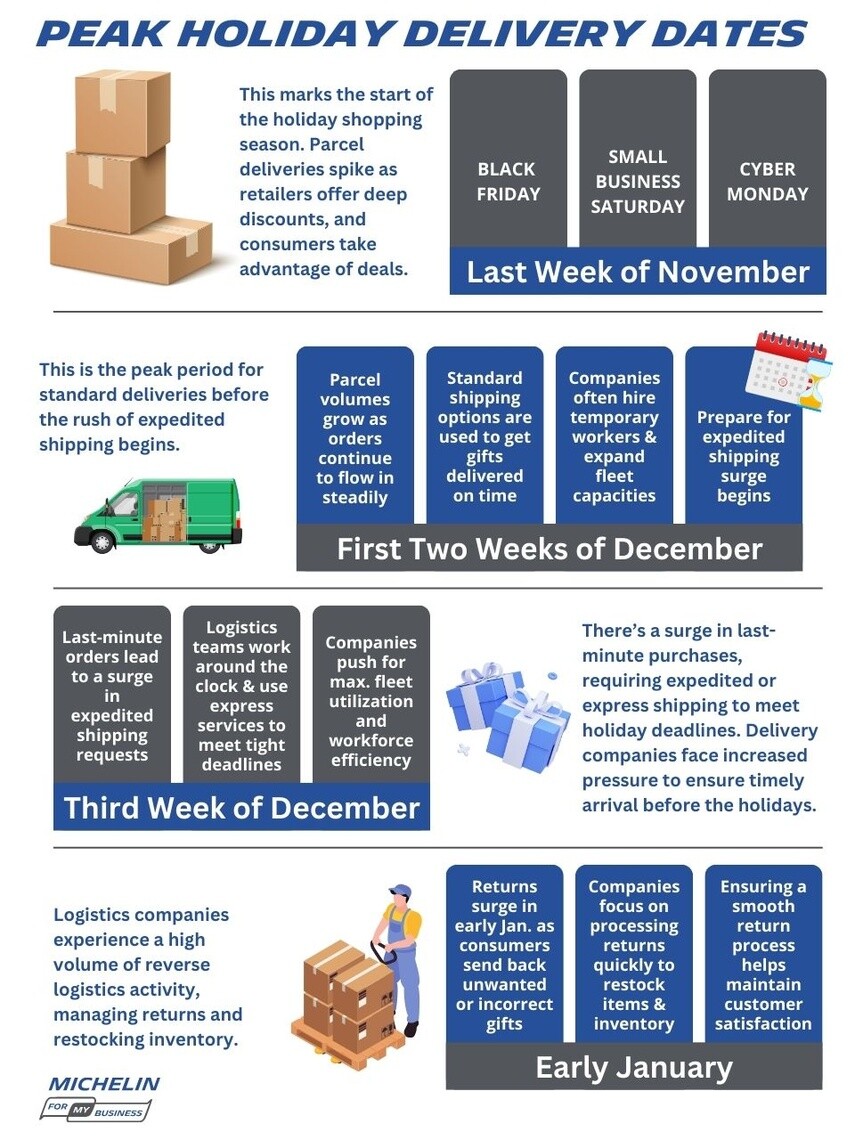
The holiday season adds complexity to e-commerce logistics. During the 2023 holiday season, U.S. online sales increased by 10%, and are expected to grow by 8.4% in 2024 (Source: Adobe Analytics). Consumers are not only looking for convenience but also expect timely delivery of their holiday purchases.
This seasonal rush can be particularly challenging for the trucking industry, as companies face a significant increase in parcel volume. Here are some key factors influencing logistics during the holiday shopping season:
Companies that embrace innovative approaches and leverage technology will be better equipped to navigate the complexities of holiday logistics and meet consumer demands effectively.
Last-mile delivery accounts for more than 53% of total shipping costs, and is one of the most challenging parts of e-commerce logistics (Capgemini Research Institute). Urban congestion, remote locations, and varying customer availability make last-mile delivery complex and costly.
To improve last-mile efficiency, companies are exploring new models like drones, autonomous vehicles, and other innovative strategies. Logistics companies are also adopting innovative strategies to improve last-mile delivery efficiency:
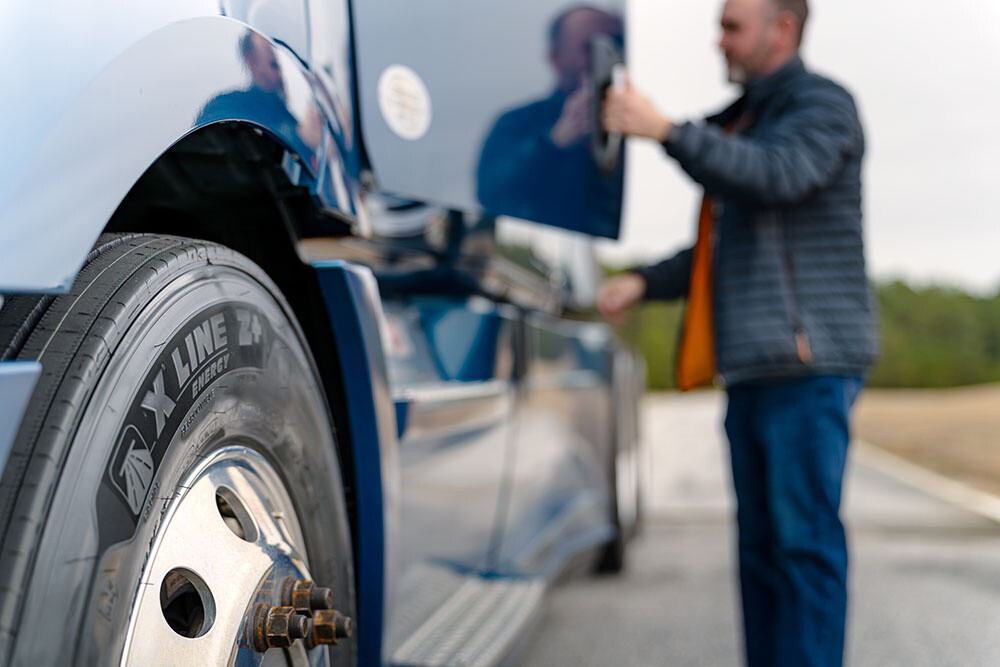
One effective solution that addresses the obstacles of last-mile delivery is the use of specialized tires designed for urban environments. Michelin's Agilis Family of Tires is specifically engineered to handle the unique challenges of last-mile delivery, such as frequent stops, variable road conditions, and heavy loads. These tires provide enhanced durability, fuel efficiency, and traction—crucial factors for navigating urban congestion and maintaining reliable delivery schedules. By using the right tires, logistics providers can further optimize their operations and reduce costs related to tire wear and fuel consumption.
These solutions represent a move towards faster and more customer-focused delivery services to meet the changing needs of online shoppers.
The role of warehouses in e-commerce logistics has evolved significantly. Consumers demand faster delivery times, putting pressure on companies to position warehouses closer to key markets. This proximity reduces shipping times, enhances customer satisfaction, and decreases transportation costs.
Strategically located warehouses allow for quicker replenishment of stock and better management of inventory levels. They are essential in supporting both urban and rural delivery operations. As online shopping grows, choosing the best warehouse locations is crucial for logistics managers and trucking companies. This helps them stay competitive in freight logistics.
warehouse with packages
The rise in online shopping has led to more delivery vehicles on the road, raising environmental concerns. Increased emissions and traffic congestion are significant challenges that the freight logistics industry must address.
To mitigate these impacts, companies are adopting green logistics practices. This includes using eco-friendly vehicles, optimizing delivery routes, and implementing energy-efficient warehouse operations. Furthermore, there's an increasing emphasis on reducing packaging waste and integrating eco-friendly materials, guaranteeing a reduced environmental impact while satisfying consumer needs.
As online shopping continues to expand, so do the regulatory challenges for freight logistics. The gig economy, characterized by flexible and temporary work arrangements, plays a crucial role. This sector has fueled the rise of independent delivery drivers, offering flexible, scalable solutions for last-mile delivery.
However, integrating gig workers with existing logistics frameworks presents challenges. Regulations surrounding labor rights, insurance, and safety standards must evolve to accommodate this new workforce. Companies need to balance innovation with compliance, ensuring gig workers receive fair treatment while maintaining efficient logistics operations. This evolving landscape demands proactive adaptation to regulatory shifts.
For more information on upcoming regulatory changes affecting the trucking industry, you can read our detailed blog article: Gear Up for Change: Trucking Industry Regulations in 2025.
Technology is crucial for meeting consumer demands by optimizing operations through data-driven insights, route optimization, and demand prediction. Real-time tracking is another crucial technological advancement.
Michelin offers several tools that can help logistics companies leverage these technologies effectively:
Value Tool Calculators: These calculators help fleet owners assess the cost-effectiveness of different tire solutions, optimizing operations by making data-driven choices.
Embracing these technologies is essential for thriving in the competitive e-commerce landscape. Michelin's suite of digital tools ensures that fleet operators are equipped to meet rising customer expectations, improve efficiency, and make smarter decisions based on reliable data.
The e-commerce landscape is constantly evolving, requiring logistics providers to remain agile. Scalability is fundamental for handling fluctuating demand, especially during peak shopping seasons. Businesses must ensure their operations can expand or contract efficiently to keep pace with market dynamics.
Innovation is equally critical to staying competitive. Logistics providers need to explore new technologies and delivery models continually. This includes embracing machine learning, AI, and predictive analytics to enhance logistics planning and execution.
Key strategies for preparing for future demands include:
Adapting to these changes isn't just about survival; it's about thriving in a fast-paced market. By focusing on scalability and innovation, logistics providers can better meet their customers' needs. This is important in the changing e-commerce environment.
Online shopping has significantly transformed freight logistics, redefining industry dynamics. The growth of e-commerce has raised the need for parcel deliveries. It has changed last-mile solutions and shown how important strategic warehousing is.
To succeed, logistics providers must adapt to trends by embracing technology and sustainability. Companies that prioritize innovation and scalability will be well-positioned to thrive amidst the ongoing e-commerce evolution. By staying proactive and responsive to these shifts, logistics providers can successfully navigate and leverage the e-commerce landscape.
You are using and outdated Web Browser.
You are using a browser that is not supported by this website. This means that some functionality may not work as intended. This may result in strange behaviors when browsing round.
Use or upgrade/install one of the following browsers to take full advantage of this website