red semi truck driving down wooded highway
Reduce Cost Per Mile Across the Life of Your Tires
The purchase price of a tire is only one part of its overall cost to a fleet. Tire longevity, fuel efficiency, retreadability, maintenance, and downtime can all influence long-term operating costs and ultimately affect cost per mile.
What Factors Affect Cost Per Mile for Commercial Truck Tires?
Cost per mile is typically influenced by more than the initial purchase price of a tire.
For many long-haul fleets, key factors include:
- Tire longevity
- Fuel efficiency
- Retreadability
- Maintenance practices
- Downtime caused by tire-related service events
- Durable casings and retread potential
Because these factors interact over the life of the tire, fleets often evaluate total operating impact rather than purchase price alone when selecting tires.
Fleet Performance Challenges in Long-Haul Operations
Common Factors That Affect Tire Performance Over Time
Many fleets do not see tire cost challenges at purchase. They see them over time, as tires accumulate miles and performance requirements change.
A drive tire may perform well when new, but tradeoffs in traction, fuel efficiency, wear, and durability can begin to affect cost per mile and operational continuity.
Common challenges fleets experience include:
- Rising cost per mile from frequent replacements
- Fuel efficiency tradeoffs when prioritizing traction
- Traction loss later in tire life, especially in wet or winter conditions
- Early tire removal, even when tread remains
- Driver dissatisfaction due to inconsistent traction and handling
- Increased downtime and unplanned replacements
These issues aren’t isolated. They’re often symptoms of the same underlying problem: evaluating tires at purchase instead of across their full performance life.
Why Looking Beyond the Tire at Purchase Matters
Purchase Price Is Only One Part of Cost Per Mile
For many fleets, the easiest tire cost to see is the purchase price. The harder costs to see are the ones that accumulate over time.
Fuel consumption, replacement frequency, maintenance requirements, downtime, and retread opportunities can all influence the true cost of operating a tire over time. According to the American Transportation Research Institute (ATRI), the average cost of operating a truck exceeded $2.26 per mile in 2024 (up from approximately $1.65 per mile in 2019), reinforcing why fleets often evaluate tire decisions beyond purchase price alone.1
This is why many fleets evaluate tire investments through a total cost of ownership lens rather than focusing only on upfront price.
A Better Way to Evaluate Tire Performance Includes:
- How the tire wears over time
- How long it remains in service
- Whether the casing can support retreading
- Maintenance requirements over time
- Potential downtime from tire-related service events
- Total cost per mile over the life of the tire
Instead of asking “What is the best drive tire?”, fleets benefit from asking:
“Which tire will deliver the lowest cost per mile over time?”
The Difference Between Buying a Tire and Managing Performance Over Time
Most tire decisions are made at the point of purchase, but many of the costs associated with tire performance occur after the tire enters service.
This is why many fleets evaluate tire investments through a total cost of ownership lens rather than focusing only on upfront price.
Factor | Purchase-Focused | Performance-Over-Time Approach |
Upfront Cost | Primary evaluation factor | Considered alongside long-term operating impact |
Cost Per Mile | Focus on acquisition cost | Evaluates cost across the full life of the tire |
Fuel Efficiency | May focus on initial specifications | Considers efficiency throughout the service life of the tire |
Performance Over Time | Evaluated primarily when new | Evaluated throughout the life of the tire |
Retread Potential | May not be part of the decision process | Considered as part of total asset value |
Downtime Impact | Often evaluated after issues occur | Considered as part of long-term fleet planning |
How Tire Performance Actually Works Over Time
A tire's performance isn't determined on day one alone.
As miles accumulate, factors such as load, road conditions, heat, and maintenance practices can influence how the tire performs and impacts your operational costs.
Factors that impact performance:
- Operating conditions and route demands
- Operational maintenance practices, like pressure maintenance. The North American Council for Freight Efficiency (NACFE) estimates that tires operating 10 psi below recommended pressure may increase fuel consumption by 0.5–1.0% while also accelerating tire wear.2
- How traction performs as the tread wears
What this means for fleets:
- Strong performance when new does not always predict long-term operating results
- Tradeoffs between traction, fuel efficiency, and durability can influence cost per mile
- Evaluating tire performance over time can support more informed tire decisions
For fleets focused on reducing cost per mile, understanding how tire performance changes over time can be just as important as understanding how a tire performs when new.
This is why two tires with similar specifications at purchase can deliver very different operating results over time.
Looking beyond purchase price can provide a clearer picture of long-term operating cost.
Why Tire Performance at the End of Service Life Matters
Many tire evaluations focus on performance when a tire is new.
However, performance later in a tire's service life can also influence operating costs, maintenance planning, and tire replacement decisions.
As tires accumulate miles, characteristics such as traction, handling, and wear performance may change over time depending on the application and operating conditions.
These changes can influence several operational considerations, including:
- Driver confidence and retention
- Vehicle performance in challenging conditions
- Tire removal and replacement timing
Because tire performance can influence removal timing, it may also affect how much value fleets capture from a tire over time.
This is one reason many fleets evaluate performance throughout the life of the tire rather than focusing only on performance when new.
What Causes Downtime and Early Tire Removal
Tires are not always removed because they have reached the end of their usable tread life. In many cases, operating conditions, wear patterns, maintenance issues, or performance concerns can result in earlier-than-planned removal.
When that happens, fleets may lose opportunities to maximize mileage, casing value, and overall tire performance.
LOST MILEAGE

irregular wear icon
Uneven wear patterns can reduce usable tire life and contribute to earlier tire replacement before the available mileage is fully utilized.
EARLY PULL-OFFS

downtime icon
Changes in performance over time may result in tires being removed earlier than planned, even when usable tread remains.
REDUCED RETREAD VALUE

casing damage icon
Damage or inconsistent performance can limit casing usability, reducing the number of successful retread cycles.
Understanding why tires are removed before their usable life is fully captured can help fleets make more informed decisions about tire selection, maintenance practices, and long-term operating costs.
What This Means for Tire Selection
The factors that influence cost per mile often extend beyond a tire's initial specifications.
Learn more about the factors that contribute to total cost of ownership for commercial truck tires.
When evaluating tire options, fleets often consider how the tire is expected to perform over time, how it fits the application, and how it may contribute to long-term operating costs.
Questions to Ask When Evaluating Tire Options
- How long is the tire expected to remain in service?
- How well does the tire fit the fleet's operating conditions?
- What impact could the tire have on fuel efficiency over time?
- Is the casing designed to support retreading opportunities?
- How might maintenance requirements affect operating costs?
- What factors could influence downtime or early removal?
Evaluating tire performance through a long-term operating lens can help fleets make more informed decisions about cost per mile, maintenance planning, and overall tire strategy.
How Retreading Supports Long-Term Tire Performance
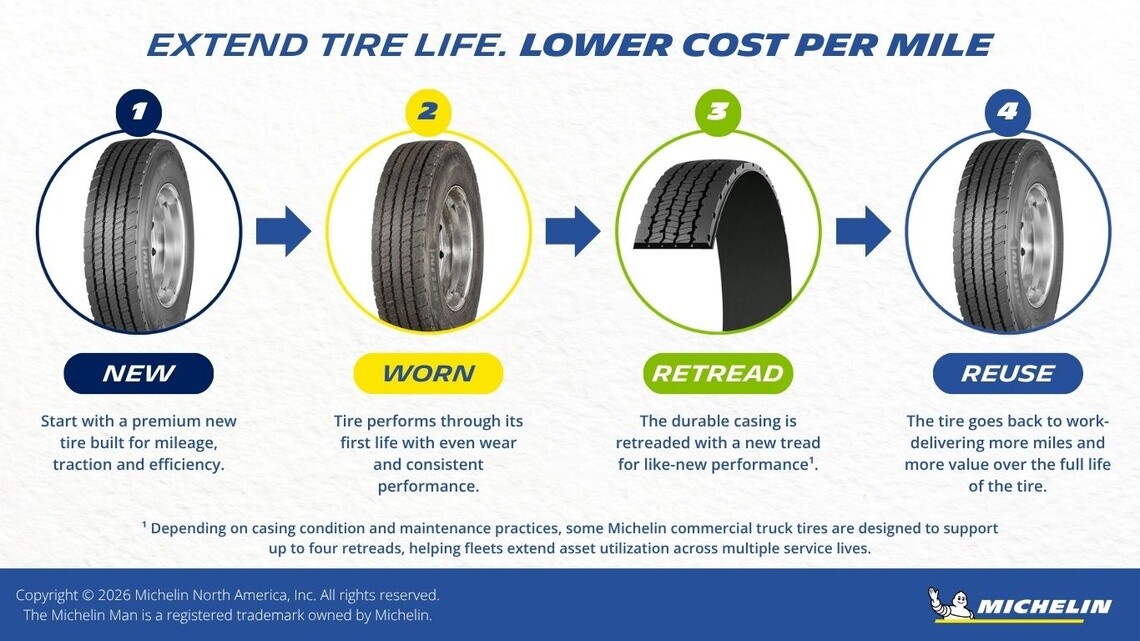
Retreading is one of the ways fleets may extend the value of a tire investment beyond its original service life. When casing condition supports additional use, retreading can help fleets continue using the tire asset while reducing the need for a completely new replacement.
Because cost per mile is influenced by how much value fleets capture from each tire, retreadability is often considered an important part of long-term tire planning.
Michelin Retread Technologies (MRT) Supports This Approach Through:
- Retread solutions designed to extend casing utilization
- Controlled retread processes
- Programs that help fleets maximize asset value over multiple service cycles
Why Fleets Consider Retreading:
- Potentially lower cost per mile through additional service life
- Reduced dependence on new tire purchases
- Greater value from durable tire casings
Retread success depends on:
- Casing quality
- Proper maintenance
- Consistent inspection practices
- Application fit
Retreadability Begins With Tire Selection
The ability to retread a tire depends on factors such as casing durability, maintenance practices, operating conditions, and inspection processes. This is why many fleets consider retread potential when evaluating tire options.
This is how that approach works in practice: extending tire life through retread while maintaining performance and reliability
Explore Retread Strategies and Solutions
Solutions Designed for Performance Over Time
Once tire selection is evaluated through a performance-over-time lens, the next step is identifying solutions that align with the fleet's operating priorities and cost-per-mile goals. Both solution groups are designed to support long-term cost-per-mile goals. The difference is which performance attributes fleets choose to prioritize based on their operation.
Solutions Designed for Performance Over Time
Fuel Efficiency and Long-Term Cost Control
These solutions are designed for fleets prioritizing fuel efficiency and operating cost control while maintaining traction performance throughout the tire lifecycle. Designed for long-haul applications, they combine low rolling resistance, long-lasting traction, and durable casings that can support retreading programs over time.
Long-Term Traction and Mileage Performance
These solutions are designed for fleets prioritizing long-term traction retention and usable mileage while maintaining fuel efficiency and overall cost-per-mile performance. Designed for long-haul applications, they combine durable casings, long-wearing tread designs, and traction features intended to support performance in varying road and weather conditions.
Michelin X® Line
Energy D+ Tire
Drive tire focused on fuel efficiency and long-term casing value.
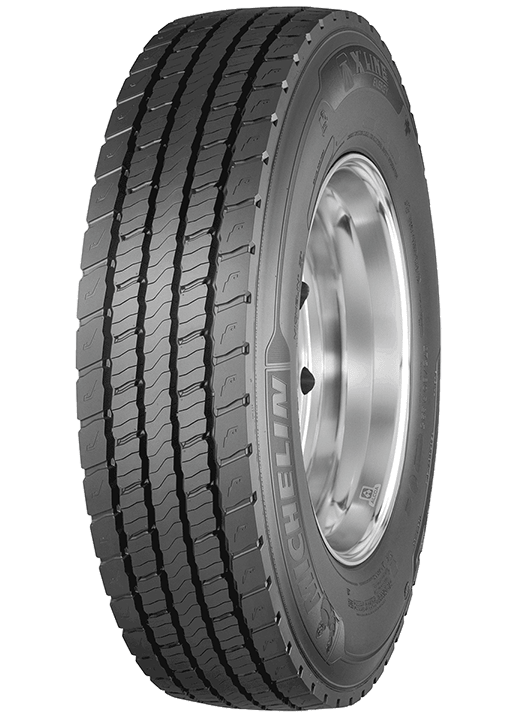
Michelin X Line Energy D+ tire
Michelin X® One Line
Energy D2 Tire
Wide-base solution designed to support fuel savings and cost control.
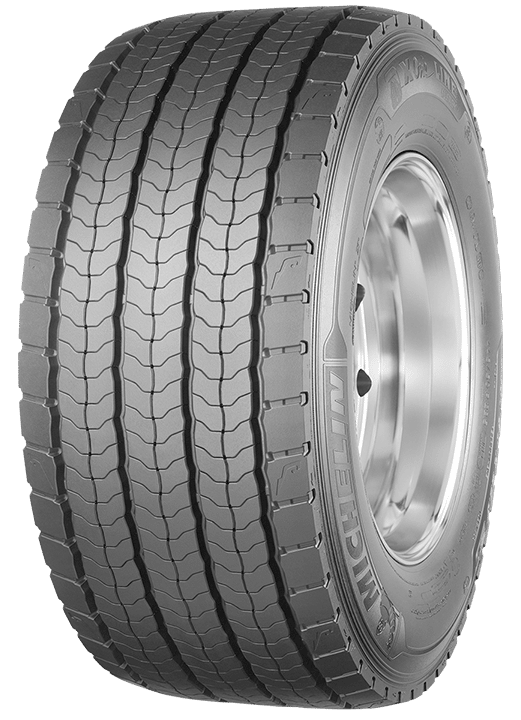
Michelin X One Line Energy D2 tire
Michelin X® Line
Grip D Tire
Drive tire engineered for long mileage and lasting traction over time.
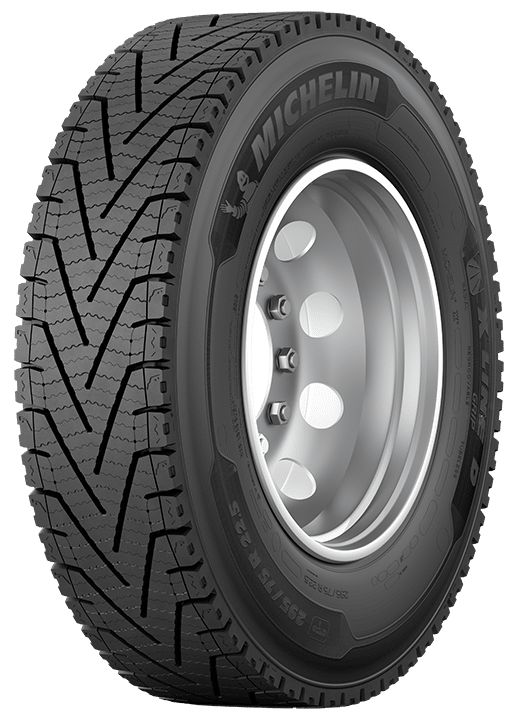
Michelin X Line Grip D
Michelin X® One Line
Grip D Tire
Wide-base solution designed to balance traction and total cost of ownership.
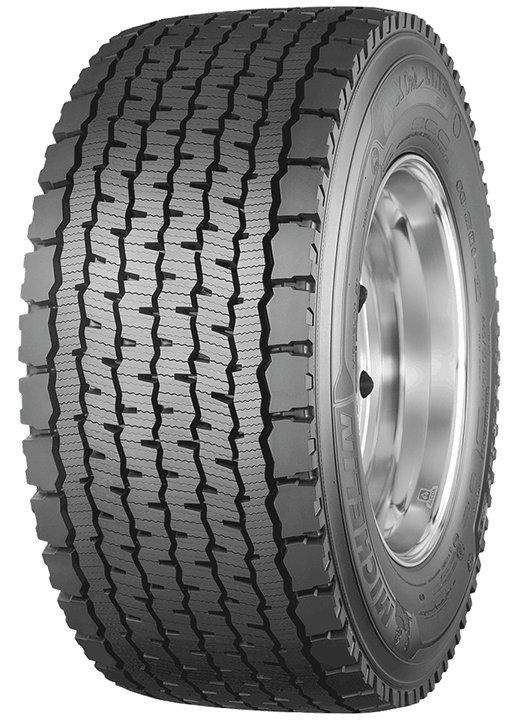
Michelin X One Line Grip D tire
Best Fit For:
• Fleets prioritizing fuel efficiency
• Operations focused on reducing operating cost per mile
• Fleets seeking long-term casing value and retread opportunities
• Organizations looking to balance fuel savings with traction performance
• Fleets incorporating retread programs into long-term tire planning
Why Fleets Choose This Strategy:
• Supports fuel-efficiency goals through low rolling resistance designs
• Helps maximize casing utilization through durable construction and retreadability
• Designed to support long-term cost-per-mile management
• Balances fuel savings, traction retention, and operational reliability over time
Best Fit For:
• Fleets prioritizing traction retention throughout tire life
• Operations seeking to maximize usable miles before removal
• Fleets operating in varying weather and road conditions
• Organizations focused on long-term casing value and retread opportunities
• Fleets seeking traction-focused solutions with retread opportunities
Why Fleets Choose This Strategy:
• Designed to maintain traction deeper into tread life
• Supports consistent performance as the tire wears
• Helps maximize usable miles before tire removal
• Built to support long-term casing durability and retreadability
The lowest-cost tire is not always the tire with the lowest purchase price. The best long-term value often comes from solutions that help maximize usable miles, support retreadability, and reduce cost per mile over time.
Build a Tire Strategy That Delivers Over Time
Reducing cost per mile isn't about optimizing a single tire purchase. It's about selecting solutions that support fuel efficiency, traction retention, casing value, retreadability, and long-term operating performance.
By evaluating tire performance over time, fleets can make more informed decisions about tire selection, maintenance planning, and replacement strategies.
The lowest cost per mile often comes from solutions that maximize usable miles, support retreadability, and deliver consistent performance over time.
Frequently Asked Questions
Cost per mile is influenced by more than tire purchase price. Factors such as tire longevity, fuel efficiency, maintenance practices, downtime, retreadability, and application fit can all affect the total operating cost of a tire over time. Fleets often evaluate these factors together when making tire decisions.
Reducing tire cost per mile often involves balancing multiple factors, including tire longevity, fuel efficiency, maintenance practices, casing utilization, and retreadability. Evaluating tire performance over time can help fleets identify opportunities to lower operating costs while maintaining consistent performance.
While lower-cost tires may reduce upfront investment, long-term operating costs can vary depending on factors such as usable miles, fuel efficiency, casing durability, retreadability, and maintenance requirements. Many fleets evaluate total cost of ownership rather than purchase price alone when comparing tire options.
Tire performance can change over time as tread depth decreases and wear patterns develop. As a tire wears, traction retention and the ability to maintain even wear are often the performance characteristics most likely to change. Loss of traction or irregular wear can contribute to earlier tire removal, even when usable tread remains.
In addition to initial performance, fleets often evaluate expected service life, fuel efficiency, casing durability, retread potential, maintenance requirements, and the impact on overall cost per mile. The most effective strategy will depend on the fleet's operating conditions and business objectives.


